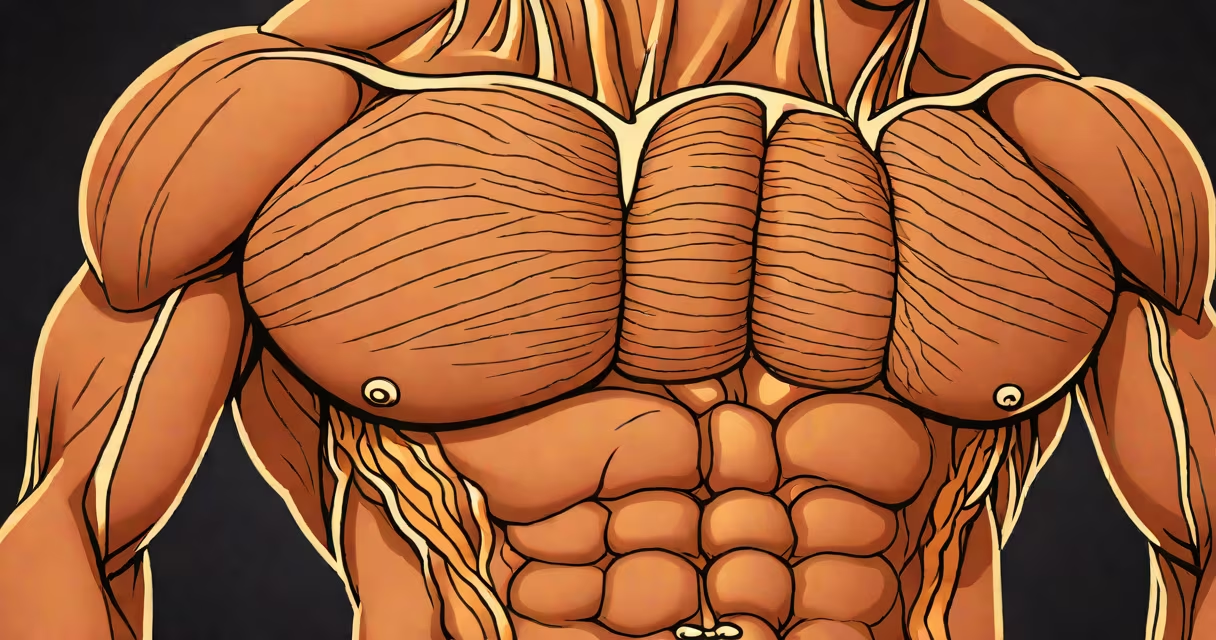
Delayed onset muscle soreness (DOMS) occurs 12 to 48 hours after unaccustomed or intense physical activity due to microscopic damage in muscle fibers during eccentric contractions. This soreness is a normal physiological response, not a sign of muscle loss or injury.
DOMS results from mechanical stress on muscle tissue, particularly during movements that lengthen the muscle under load-like lowering a weight or running downhill. These actions create tiny tears in muscle fibers, triggering inflammation and sensitivity in surrounding nerves. The sensation typically peaks around 24 to 72 hours post-exercise and resolves within five to seven days.
According to the American Council on Exercise (ACE), DOMS affects nearly 70% of people who start new training regimens. It's most common in beginners or those returning after a break, but even seasoned athletes experience it after increasing intensity or volume. The soreness is not caused by lactic acid buildup-a long-standing myth-since lactic acid clears from muscles within minutes after exercise.
When muscles contract forcefully, especially during eccentric phases (lengthening under tension), structural proteins like actin and myosin in muscle fibers experience strain. This leads to microtrauma in the sarcomeres-the functional units of muscle tissue. The body responds by sending immune cells to the area, releasing cytokines and prostaglandins that sensitize nerve endings, causing pain and stiffness.
A 2017 study published in the Journal of Sports Sciences confirmed that muscle soreness correlates with elevated levels of creatine kinase and lactate dehydrogenase-enzymes released when muscle cell membranes are disrupted. These markers peak 24 to 48 hours after exercise, aligning with the typical onset of DOMS.
Contrary to popular belief, DOMS does not indicate better results. While mild soreness may signal adaptation, excessive or prolonged pain suggests overtraining or improper form. The body adapts through repair, not discomfort. Recovery time varies based on individual genetics, training history, and sleep quality.
DOMS is most likely to occur after:
Many assume soreness equals progress. But research from the National Strength and Conditioning Association shows that performance improvements correlate more closely with consistent training and adequate recovery than with soreness levels. Some individuals report feeling stronger despite minimal soreness, while others feel achy after light sessions.
One key distinction often missed: DOMS is not the same as acute muscle injury. Acute pain during or immediately after exercise-especially sharp, localized pain-is a red flag. DOMS is dull, widespread, and develops gradually. If you experience swelling, inability to bear weight, or joint instability, stop training and consult a healthcare provider.
Active recovery-light movement such as walking, swimming, or gentle stretching-can reduce soreness by improving blood flow and reducing muscle stiffness. A 2018 meta-analysis in the British Journal of Sports Medicine found that low-intensity aerobic exercise reduced DOMS severity by 20% compared to complete rest.
Other effective methods include:
Hydration and sleep are critical. The body repairs muscle tissue primarily during deep sleep. A 2020 study in Sleep Health showed that participants who slept less than six hours per night reported 35% higher perceived soreness than those sleeping seven to nine hours.
For example, a 35-year-old woman began deadlifts for the first time. She trained twice weekly with moderate loads. On day two post-session, she felt significant soreness in her lower back and hamstrings. By day four, the pain had decreased by half. She resumed training at 60% intensity and gradually increased volume over three weeks. Her soreness diminished, and strength improved.
While mild DOMS is normal, persistent or worsening soreness may indicate overtraining syndrome. Signs include fatigue, irritability, decreased performance, and elevated resting heart rate. The International Olympic Committee's consensus statement on overtraining recommends reducing training volume by 30-50% and increasing rest days.
DOMS is not a measure of effort or success. It's a signal that adaptation is underway-but not the only one. Focus on consistency, proper form, and recovery, not soreness itself.