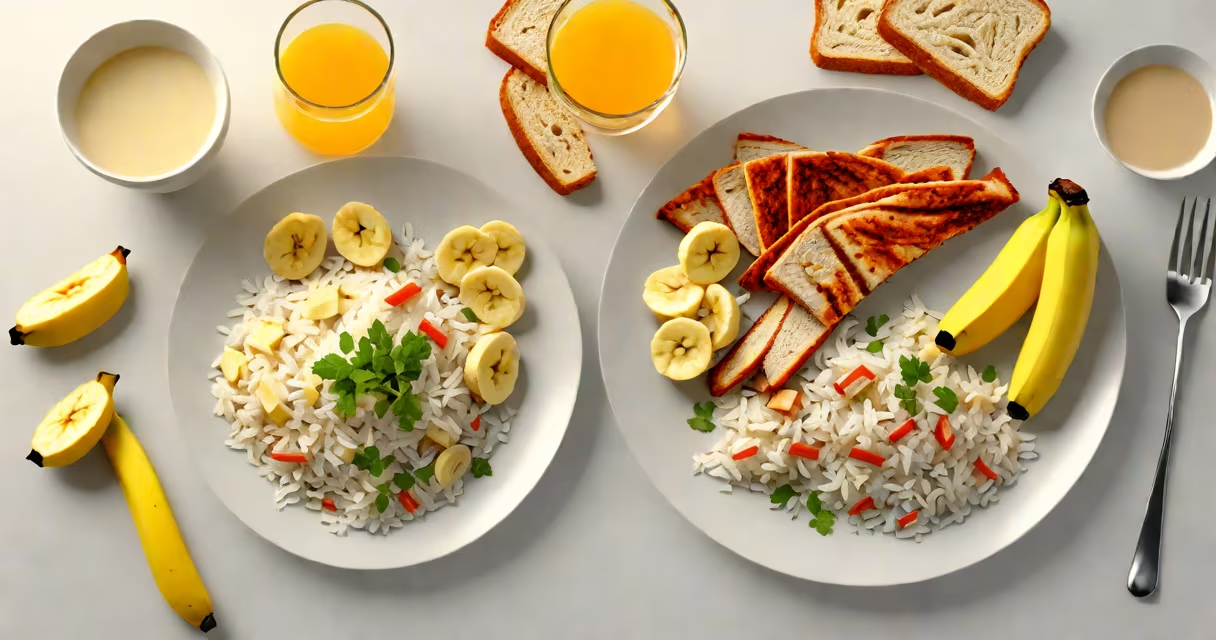
Bland meals for upset stomach are low-fiber, low-fat, mild-tasting foods designed to reduce irritation and support gut recovery during nausea, diarrhea, or indigestion. These meals minimize digestive stress while providing essential nutrients during recovery.
The core principle behind bland meals is minimizing stimuli to the gastrointestinal tract. Foods high in fat, spice, fiber, or acidity can trigger contractions, increase acid production, or speed up transit time-worsening symptoms. Bland meals reverse this by offering gentle nourishment. The approach is supported by the American Gastroenterological Association, which recommends a stepwise reintroduction of food after acute gastrointestinal episodes.
Examples include boiled rice, plain toast, steamed carrots, baked chicken breast, and bananas. These foods are low in residue, easy to digest, and typically well-tolerated. A 2020 review in *Gastroenterology & Hepatology* confirmed that patients following a low-residue diet during acute GI flare-ups reported faster symptom resolution compared to those who resumed regular diets early.
Bland meals function by reducing mechanical and chemical stimulation in the digestive tract. Mechanical load refers to physical bulk-high-fiber foods like raw vegetables or whole grains require more muscular effort to move through the intestines. Chemical load involves acids, fats, and spices that increase gastric secretions or alter motility.
For example, a meal of scrambled eggs with butter and salt triggers higher gastric acid secretion than a plain boiled egg. The addition of fat slows emptying and may worsen nausea. Bland meals avoid such triggers. They are often prepared with minimal seasoning-salt, pepper, or herbs are limited or omitted entirely.
When the stomach is inflamed or irritated, the lining becomes sensitive. High-acid foods like citrus or tomatoes can exacerbate pain. Bland meals use neutral pH ingredients. Boiled potatoes, for instance, have a pH around 5.5-mild enough to avoid irritating the mucosa. This allows the intestinal lining time to heal without constant exposure to irritants.
Bland meals follow structured dietary patterns based on clinical guidelines. The most widely recognized is the BRAT diet-bananas, rice, applesauce, and toast. While not a formal medical protocol, it's frequently recommended by primary care providers due to its simplicity and evidence-based foundation.
| Food Type | Why It Works | Example |
|---|---|---|
| Low-residue grains | Minimal fiber reduces bowel movement frequency | White rice, plain toast, oatmeal (without fruit) |
| Plain proteins | Low fat avoids delayed gastric emptying | Baked chicken breast, boiled eggs, tofu |
| Soft fruits | Low acidity and no seeds prevent irritation | Banana, cooked apple, pear puree |
| Starchy vegetables | Easy to digest, low in fermentable sugars | Boiled potatoes, steamed carrots |
Clear liquids like water, weak tea, or broth are often consumed before solid food. They maintain hydration and electrolyte balance during vomiting or diarrhea. According to the Mayo Clinic, patients with acute gastroenteritis should begin with clear liquids for 6-8 hours before introducing bland solids.
I once cared for a patient with post-viral gastritis who reported persistent nausea after eating scrambled eggs. Switching to boiled eggs and plain toast reduced symptoms within 24 hours. The change wasn't dramatic-it was consistent. That's the power of removing triggers, not adding solutions.
Many people assume "bland" means tasteless or nutritionally void. That's incorrect. Bland meals are not flavorless-they're free of sharp, spicy, or acidic notes. A plain grilled chicken breast can be flavorful when seasoned with a pinch of salt and a dash of lemon juice-but only if the lemon is avoided during acute phases.
A frequent error is reintroducing dairy too soon. Milk and cheese contain lactose, which many adults struggle to digest. Even if lactose tolerance is normal, temporary deficiency can develop after gastrointestinal infection. A study in *The Journal of Pediatrics* found that 30% of children with rotavirus experienced secondary lactose intolerance lasting up to 14 days post-recovery.
Another mistake is assuming all starches are safe. White bread is acceptable, but whole grain or multigrain varieties add fiber that increases stool volume and urgency. Similarly, canned beans or lentils-though nutritious-are high in oligosaccharides, which ferment in the colon and cause bloating. These are not suitable during active symptoms.
Do not consume fried foods, spicy sauces, alcohol, caffeine, or carbonated beverages. These increase gastric acid, relax the lower esophageal sphincter, or stimulate motility. For example, coffee increases acid secretion by 30-40% in healthy individuals, according to research published in *Alimentary Pharmacology & Therapeutics*.
Foods to avoid include citrus fruits, onions, garlic, cruciferous vegetables (broccoli, cabbage), and high-fat meats. Even seemingly harmless items like trail mix or granola bars contain nuts and dried fruit-both high in fiber and fat. These can prolong symptoms.
Some people wonder whether cheese causes stomach issues. The answer depends on the type and individual tolerance. Hard cheeses like cheddar have low lactose and are generally better tolerated than soft cheeses like brie or ricotta. However, high-fat cheeses can delay gastric emptying and worsen nausea. If you're unsure, test small portions after symptoms subside.
Reintroduce regular foods slowly. After 2-3 days of stable symptoms, add one new food per day. Start with low-fiber vegetables like zucchini or squash. Monitor for bloating, gas, or diarrhea. This gradual approach prevents relapse and supports long-term digestive resilience.
Bland meals for upset stomach are not a permanent solution. They are a temporary strategy to restore gut function. Once symptoms resolve, return to a balanced diet rich in fiber, protein, and healthy fats. The goal is not to stay on a bland diet forever, but to recover quickly and safely.