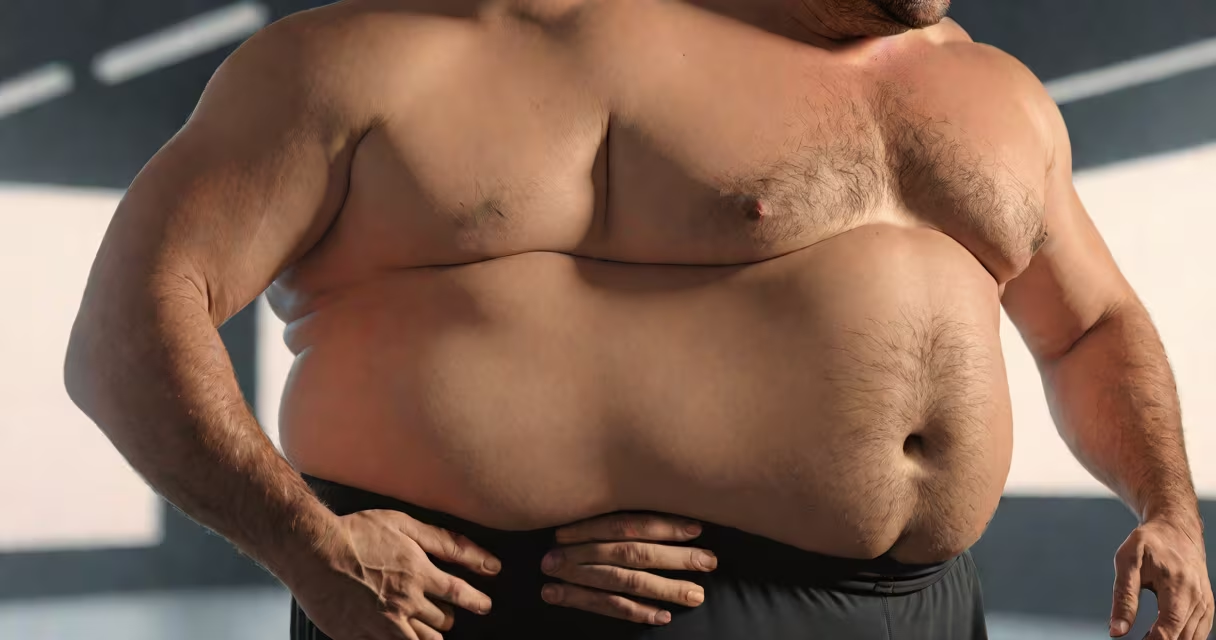
Male belly fat results from a combination of hormonal changes, poor dietary habits, sedentary behavior, and genetic predisposition. It accumulates primarily as visceral fat around internal organs, increasing health risks beyond cosmetic concerns.
Visceral fat is metabolically active tissue that releases inflammatory compounds and free fatty acids into the bloodstream. Unlike subcutaneous fat under the skin, visceral fat contributes directly to insulin resistance, cardiovascular disease, and type 2 diabetes. Men over 30 see a measurable rise in abdominal fat due to declining testosterone and increased cortisol levels.
Research from the National Institutes of Health shows that men with waist circumferences exceeding 40 inches have higher rates of metabolic syndrome. This condition includes high blood pressure, elevated triglycerides, low HDL cholesterol, and insulin resistance-all linked to excess visceral fat.
Belly fat forms when energy intake exceeds expenditure over time. Excess calories are stored as triglycerides in adipocytes, particularly in the abdominal region. As men age, muscle mass decreases, reducing resting metabolic rate. A 1% loss of muscle per decade translates to a 20-30 calorie drop in daily energy needs, making weight gain easier without changing diet.
Testosterone plays a central role. Low testosterone levels correlate strongly with increased abdominal fat. A 2021 study published in *The Journal of Clinical Endocrinology & Metabolism* found that men with testosterone below 300 ng/dL had 4.7 times greater odds of central adiposity compared to those above 400 ng/dL.
Cortisol, the stress hormone, also drives belly fat. Chronic stress elevates cortisol, which increases appetite for high-calorie foods and promotes fat storage in the abdomen. Men with high-stress jobs or sleep disruptions show faster visceral fat accumulation than peers with stable routines.
Diet is a primary driver. Diets high in refined carbohydrates and added sugars spike insulin, promoting fat storage. Alcohol consumption further disrupts metabolism-each gram of ethanol is converted to acetaldehyde, which inhibits fat oxidation and increases liver fat deposition.
Sedentary behavior accelerates fat gain. Sitting for more than 8 hours a day correlates with a 60% higher risk of visceral fat accumulation, according to a 2020 analysis in *Obesity Reviews*. Even regular exercise cannot fully offset prolonged sitting unless paired with reduced sedentary time.
Genetics influence fat distribution. Some men inherit a tendency to store fat in the abdomen due to variations in the PNPLA3 gene. These individuals may develop fatty liver and insulin resistance even at normal BMI levels.
| Factor | Impact on Belly Fat | Typical Threshold |
|---|---|---|
| Testosterone level | Low levels increase visceral fat storage | < 300 ng/dL |
| Waist circumference | Indicator of visceral fat risk | >40 inches (men) |
| Alcohol intake | Increases liver fat and abdominal storage | >2 drinks/day |
| Sedentary time | Reduces fat oxidation and insulin sensitivity | >8 hours/day |
Many assume that spot reduction-targeting fat in one area through crunches or ab machines-is effective. This is false. Fat loss occurs systemically, not locally. Studies show that while abdominal exercises improve muscle tone, they do not reduce belly fat without caloric deficit.
Another myth is that all belly fat is the same. Subcutaneous fat (under the skin) is less harmful than visceral fat. However, both contribute to metabolic dysfunction. A man with a 38-inch waist may still carry dangerous visceral fat even if he appears lean.
A lesser-known fact: men with high visceral fat often report low energy, poor concentration, and reduced libido-not just physical symptoms. These are signs of hormonal imbalance, not just poor fitness. Addressing belly fat requires treating root causes, not just exercising more.
John, a software developer, noticed his waist grew from 36 to 42 inches over five years. He ate mostly takeout, slept 5-6 hours nightly, and exercised twice weekly. Blood tests revealed low testosterone (280 ng/dL), elevated cortisol, and high triglycerides. His MRI showed 12 cm of visceral fat-above the 10 cm threshold associated with increased mortality risk.
After six months of consistent lifestyle change-reducing processed food, adding strength training, improving sleep-he lost 15 pounds, dropped 6 inches off his waist, and improved testosterone to 410 ng/dL. His visceral fat decreased by 35%, confirmed via follow-up imaging.
This case illustrates that male belly fat is not simply a result of being "out of shape." It's a physiological signal of deeper imbalances requiring targeted intervention.
If waist size exceeds 40 inches, especially with fatigue, erectile dysfunction, or unexplained weight gain, consult a healthcare provider. Blood tests for testosterone, fasting glucose, HbA1c, and lipid panel can identify underlying issues.
Men with a family history of type 2 diabetes or heart disease should monitor abdominal fat early. Early detection allows for non-pharmacological interventions-diet, exercise, sleep optimization-that reverse fat accumulation before irreversible damage occurs.