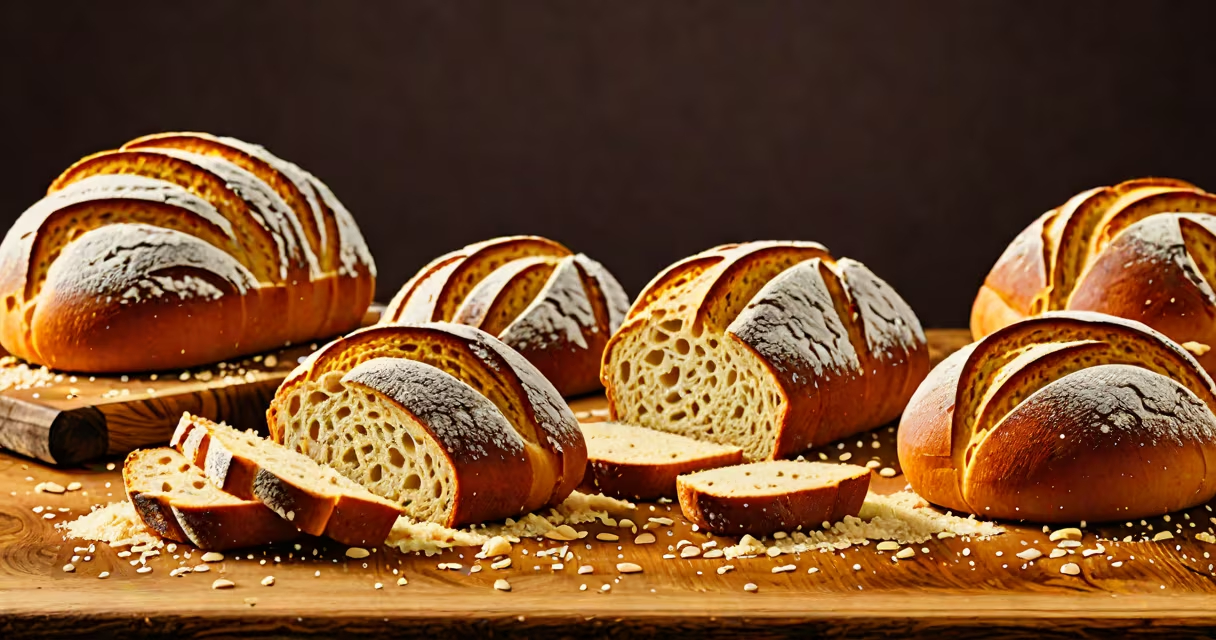
Born and Bread Lakeland FL is a neighborhood bakery rooted in traditional fermentation methods and locally sourced ingredients, producing hand-crafted sourdough and heritage grain breads. Located in downtown Lakeland, it serves as both a food producer and community anchor, emphasizing slow fermentation, seasonal grains, and transparency in sourcing.
The bakery operates under a philosophy that bread is not just sustenance but a cultural artifact. Each loaf reflects decades-old European baking techniques adapted to Florida's climate and regional produce. The name "Born and Bread" references both the founder's birthplace-Lakeland-and the idea that bread is born through time, patience, and microbial activity.
Founded in 2018 by chef and baker Marisol Reyes, Born and Bread began as a pop-up at the Lakeland Farmers Market. By 2020, it had secured a permanent storefront on South Florida Avenue. The business now supplies local cafes, grocery co-ops, and hosts weekly bread-making workshops. Its success stems from consistent quality, community engagement, and adherence to pre-industrial baking standards.
Born and Bread uses a single starter culture-named "Old Lulu"-that has been fed daily since 2017. This wild yeast and lactic acid bacteria blend develops flavor complexity over time. The starter is maintained at room temperature and refreshed every 12 hours. No commercial yeast is added.
Each loaf begins with a 16-hour autolyse (rest period) where flour and water mix. After 12 hours of bulk fermentation, the dough is shaped, proofed for 4 hours, then baked in a wood-fired oven at 475°F (246°C). The crust forms through steam injection during the first 15 minutes of baking. A typical batch yields 12 loaves per day, each weighing between 1.2 and 1.8 pounds.
Flour comes exclusively from small-scale mills in Central Florida. The primary base is hard red winter wheat from a farm in Bartow, milled within 24 hours of use. Rye and spelt varieties are sourced seasonally from producers in Leesburg and Sebring. Water is filtered tap water from Lakeland's municipal supply, adjusted for mineral content to support fermentation.
Born and Bread offers five core varieties, each reflecting a different regional tradition:
| Bread Type | Origin | Key Ingredients | Proof Time |
|---|---|---|---|
| Classic Sourdough | San Francisco, CA | Hard red wheat, salt, water, Old Lulu starter | 18 hours |
| Spelt & Sunflower | German Alpine regions | Spelt flour, sunflower seeds, flax, honey | 20 hours |
| Rye & Caraway | Scandinavia | Dark rye, caraway seeds, molasses | 22 hours |
| Oat & Maple | Scots Lowlands | Oat flour, maple syrup, sea salt | 19 hours |
| Heritage Multigrain | Eastern Europe | Emmer, einkorn, barley, millet, buckwheat | 24 hours |
These aren't just recipes-they're living systems. The rye and caraway loaf, for example, uses a 72-hour cold ferment in a refrigerated proof box. This slows microbial activity, allowing deeper flavor development. The resulting crumb is tight and moist, with a chewy texture and earthy aroma.
A non-obvious fact: the bakery avoids using a Dutch oven. Instead, it uses a custom-built stone hearth oven with a removable floor. This allows direct contact between dough and heated stone, creating a more even bake and better crust formation. The oven reaches 500°F internally during peak bake cycles.
Born and Bread is not just a food business-it's a response to industrialized bread production. According to the USDA, over 90% of commercially sold bread in the U.S. contains additives like calcium propionate and enzymes to extend shelf life. Born and Bread produces bread with no preservatives, no sugar, and no chemical leavening agents.
Its model aligns with the principles outlined in *The Art of Fermentation* by Sandor Ellix Katz (2012), which emphasizes that fermentation preserves nutrients and enhances digestibility. The bakery's sourdough, for instance, has lower phytic acid levels due to extended fermentation, making minerals like iron and zinc more bioavailable.
I visited the shop in July 2023 and watched the team prepare a batch of emmer-based bread. The dough had a sticky, elastic consistency. After shaping, it rested under a damp cloth for four hours. When I asked about the timing, Marisol said, "If you rush fermentation, you lose the story." That line stuck with me-not just because it's poetic, but because it captures the entire ethos.
People often assume that "artisan bread" means "expensive." Born and Bread sells its standard sourdough for $6.50 per pound. The rye and caraway loaf costs $7.25. Prices are comparable to mass-market brands but reflect true labor and material cost.
Another mistake: thinking all sourdough is the same. The difference lies in hydration levels, starter health, and handling technique. Born and Bread's dough has a 78% hydration level-higher than most commercial bakers. This creates a more open crumb structure and greater chewiness.
Some confuse it with chain bakeries like Panera or King Arthur. But while those use automated mixers and timed ovens, Born and Bread relies on hand-mixing, manual shaping, and visual cues. The oven door is opened only twice per batch-once at the start, once at the halfway mark-to release steam. Temperature control is done by feel and observation, not sensors.
Born and Bread operates from 7 AM to 2 PM, Monday through Saturday. Loaves are available fresh daily. Customers can reserve a loaf online via the bakery's website or pick up at the counter. Walk-ins are welcome, but wait times average 15 minutes during weekend mornings.
The bakery hosts monthly "Bread & Talk" events, where guests discuss food history, fermentation science, or local agriculture. These sessions are free and open to all ages. A recent session explored the role of bread in early American settlements, citing records from the 1780s showing that settlers in Florida relied on corn and cassava breads before wheat became common.
Born and Bread Lakeland FL exemplifies how a small food business can thrive by prioritizing craft, transparency, and place. It's not just about bread-it's about memory, identity, and the quiet dignity of making something that lasts longer than a meal.