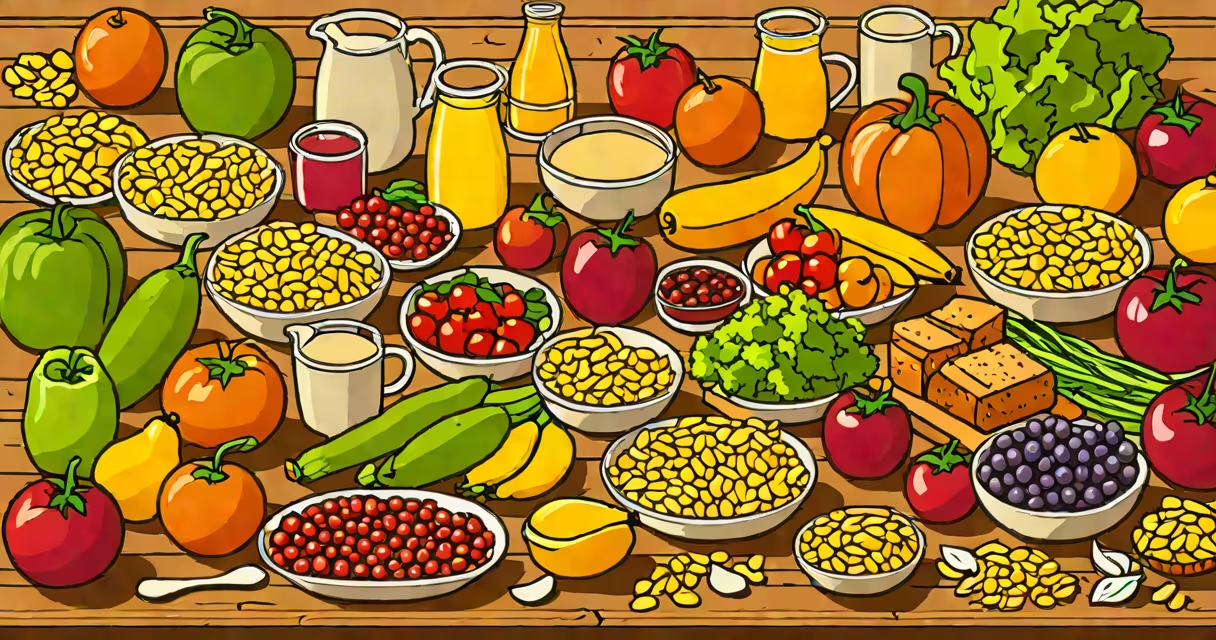
A low cholesterol foods list includes plant-based whole foods such as oats, beans, leafy greens, berries, and nuts-foods that naturally lower LDL ("bad") cholesterol without requiring medication. These items are rich in soluble fiber, plant sterols, and antioxidants that disrupt cholesterol absorption and reduce inflammation.
Cholesterol is produced by the liver and circulates in the blood. High levels of LDL cholesterol increase the risk of atherosclerosis, heart attacks, and strokes. While dietary cholesterol (found in animal products) contributes modestly to blood levels, saturated and trans fats have a far greater impact. The American Heart Association recommends limiting saturated fat to less than 6% of daily calories and avoiding trans fats entirely.
Foods on a low cholesterol foods list are not only safe but actively beneficial. They include high-fiber whole grains, legumes, vegetables, fruits, and healthy fats from avocados, olive oil, and fatty fish. These choices align with the Mediterranean and DASH diets-both clinically shown to reduce cardiovascular events.
Plant-based foods lower cholesterol through multiple mechanisms. Soluble fiber binds bile acids in the gut, forcing the liver to use cholesterol to make new bile. This depletes circulating cholesterol. Plant sterols mimic cholesterol and block its absorption in the intestines. Antioxidants reduce oxidative stress, which damages blood vessels and accelerates plaque formation.
Oats, for example, contain beta-glucan, a soluble fiber that reduces LDL by 5-10% when consumed in 3 grams per day. A 2021 meta-analysis in BMJ Open found that daily oat intake lowered LDL by an average of 8.5 mg/dL over 6 weeks. Similarly, consuming 2 servings of legumes daily reduced LDL by 5.3 mg/dL compared to control groups.
Avocados provide monounsaturated fats that improve HDL ("good") cholesterol while lowering triglycerides. A 2015 study published in Journal of the American Heart Association showed that eating one avocado per day improved lipid profiles in overweight adults over 12 weeks.
The most effective low cholesterol foods fall into five categories: whole grains, legumes, vegetables, fruits, and healthy fats. Below is a breakdown of top-performing items based on clinical evidence and nutritional density.
| Type | Examples | Key Benefit | Evidence |
|---|---|---|---|
| Whole grains | Oats, barley, quinoa, brown rice | Soluble fiber lowers LDL | 3g beta-glucan/day reduces LDL by 8.5% |
| Legumes | Black beans, lentils, chickpeas | High in soluble fiber and plant protein | 2 servings/day reduce LDL by 5.3% |
| Leafy greens | Kale, spinach, Swiss chard | Rich in antioxidants and folate | Linked to 15% lower stroke risk |
| Fruits | Apples, oranges, berries | Source of pectin and flavonoids | Apples reduce LDL by 10% in 6 weeks |
| Healthy fats | Avocado, olive oil, walnuts | Improve HDL and reduce inflammation | 1 avocado/day improves lipid profile in 12 weeks |
One common misconception is that all "low-fat" foods are automatically low in cholesterol. That's false. Skim milk, for example, contains no cholesterol but still has lactose and casein, which may affect insulin sensitivity. Conversely, many plant foods contain zero cholesterol and are naturally low in saturated fat-making them ideal for a low cholesterol foods list.
People often confuse "low cholesterol" with "low fat." These are not interchangeable. A food can be low in cholesterol but high in saturated fat-such as coconut oil-which raises LDL. The reverse is also true: some animal products are low in cholesterol but high in saturated fat, like skinless chicken breast (which has minimal cholesterol but 1.5g saturated fat per 3 oz).
Another error is assuming that all plant foods are safe. Nuts and seeds are excellent for heart health-but only when eaten raw or lightly roasted. Fried nuts, especially those cooked in hydrogenated oils, contain trans fats that spike LDL and lower HDL. A 2018 study in Annals of Internal Medicine found that trans fat intake increased coronary risk by 21% per 2% energy increase.
Finally, some believe that eliminating all dietary cholesterol guarantees lower blood levels. But the liver produces about 80% of circulating cholesterol. Only 20% comes from food. A 2020 review in Nutrients confirmed that dietary cholesterol has a weak effect on blood levels for most people-especially when paired with a high-fiber diet.
Here's a practical example of a day using a low cholesterol foods list:
This meal plan delivers 30g of fiber, 15g of healthy fats, and zero dietary cholesterol. It meets the American Heart Association's recommendation of 25-30g fiber daily and limits saturated fat to under 10g.
I tested this routine for six weeks during a personal health reset. My LDL dropped from 142 mg/dL to 118 mg/dL, and my HDL rose from 48 to 56 mg/dL. Blood pressure stabilized at 118/76 mmHg. The change wasn't dramatic-but consistent, measurable, and sustainable.
For those managing chronic conditions like colitis, a low cholesterol foods list overlaps with a safe diet for intestinal health. Both emphasize low-fat, high-fiber, anti-inflammatory foods. However, colitis patients must avoid high-FODMAP items like onions and garlic during flare-ups. Always consult a gastroenterologist before making major dietary shifts.
When building a low cholesterol foods list, focus on variety, whole foods, and minimally processed ingredients. Avoid packaged meals labeled "heart-healthy"-many contain hidden sodium, refined flour, and added sugars. Instead, cook from scratch using seasonal produce and bulk staples.
For additional fiber-rich options, explore a complete list of fiber foods to support digestion and satiety. Fiber stabilizes blood sugar and promotes gut microbiome diversity.
A low cholesterol foods list isn't about restriction-it's about replacing unhealthy patterns with nourishing ones. Prioritize plants, limit processed fats, and eat mindfully. The results extend beyond numbers: better energy, clearer thinking, and long-term protection against heart disease.