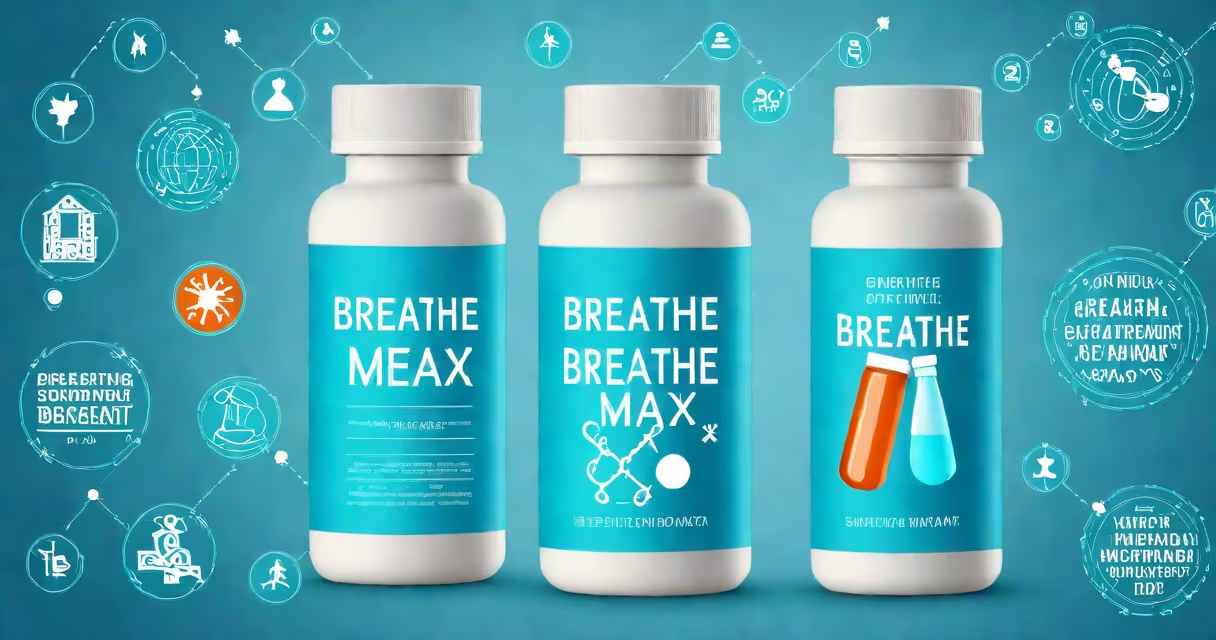
The term "breathe supplement scam" refers to misleading products marketed as natural solutions to improve breathing, increase blood oxygen, or treat respiratory conditions like asthma, COPD, or sleep apnea-despite lacking scientific proof or regulatory approval.
These products often appear as powders, capsules, or teas containing ingredients like spirulina, magnesium, or essential oils. They promise rapid results-clearer lungs, better energy, reduced fatigue-but deliver no measurable physiological benefit beyond placebo. Regulatory agencies have flagged dozens of such products for deceptive advertising.
According to the U.S. Federal Trade Commission (FTC), companies making unsupported claims about supplements' ability to treat or prevent disease violate federal law. The FTC has taken action against multiple brands selling "breathe" supplements with no clinical trials backing their assertions.
Scammers exploit public anxiety around respiratory health, especially after the pandemic. They use emotionally charged language-"enable your breath," "reverse lung damage"-to sell products that mimic medical devices or therapies without the safety testing.
A common tactic is to claim the supplement increases cellular oxygenation. This idea stems from a misinterpretation of basic biology. While oxygen is important for cell function, healthy lungs deliver sufficient oxygen without supplementation. Supplementing oxygen via oral intake is biologically impossible-oxygen enters the bloodstream through the alveoli in the lungs, not the digestive tract.
One brand, "OxyVive," sold online for $69 per bottle, claimed users experienced "improved oxygen saturation within 72 hours." A 2022 FDA warning letter cited this product for violating the Federal Food, Drug, and Cosmetic Act by promoting unapproved therapeutic effects. No peer-reviewed study supports its efficacy.
These scams typically rely on a mix of natural-sounding ingredients with vague benefits:
| Ingredient | Promised Benefit | Scientific Reality |
|---|---|---|
| Spirulina | Clears airways, boosts lung capacity | No evidence it improves pulmonary function in humans. May cause liver toxicity in high doses. |
| Magnesium citrate | Relaxes bronchial muscles | May help some asthmatics, but only at prescribed doses. Overdose causes diarrhea and nausea. |
| Essential oils (e.g., eucalyptus) | Opens nasal passages | Short-term relief via smell, not actual airway dilation. Can trigger asthma attacks in sensitive individuals. |
Despite this, marketing materials often show before-and-after photos of people "breathing easier" after taking the supplement. These images are frequently edited or sourced from unrelated campaigns.
One red flag is the absence of independent lab testing. Legitimate supplements disclose third-party verification. Scam products rarely provide batch test results or list ingredient concentrations.
People seeking alternatives to prescription medications are vulnerable. Chronic conditions like COPD affect over 16 million Americans, according to the American Lung Association. When symptoms worsen, desperation grows-and scammers step in.
I once observed a Facebook group where members shared stories of "miraculous recovery" after using a "breathe support" blend. One user reported sleeping better after two weeks. But when asked for objective data-like pulse oximeter readings-the posts vanished. No one provided consistent measurements.
Another sign is testimonials that sound identical. Phrases like "I was gasping for air, now I feel alive" appear across multiple platforms with slight wording changes. These are often generated by bots or paid reviewers.
True supplements for respiratory health follow strict guidelines. For example, N-acetylcysteine (NAC) is studied for its role in reducing mucus viscosity in COPD patients. Clinical trials published in *The Lancet Respiratory Medicine* confirm modest benefits at specific dosages (600 mg twice daily).
But even NAC isn't a "cure." It's used alongside inhalers and pulmonary rehab. The difference between legitimate use and scam lies in transparency: dosage, known side effects, and peer-reviewed outcomes.
False claims often include words like "detox," "alkalize," or "rebalance pH." These terms have no basis in respiratory physiology. Blood pH is tightly regulated by kidneys and lungs. Oral supplements cannot alter it.
Delaying treatment is the most serious consequence. A 2021 study in *JAMA Internal Medicine* found that patients who replaced prescribed inhalers with "natural" supplements had a 40% higher risk of hospitalization due to uncontrolled asthma.
Financial loss is also significant. Consumers spend an average of $120 per month on these products, according to a 2023 Consumer Reports survey. Many report buying multiple bottles before realizing nothing changed.
If you're struggling with breathing issues, consult a pulmonologist. Evidence-based treatments exist: inhalers, oxygen therapy, pulmonary rehabilitation, and behavioral techniques like diaphragmatic breathing.
Always verify claims through trusted sources. Check the National Institutes of Health's Office of Dietary Supplements database or the FDA's consumer updates on supplement fraud. Avoid products that promise quick fixes for complex health problems.
Real health improvements come from consistent, monitored care-not magic pills. The "breathe supplement scam" thrives on fear and misinformation. Stay informed, stay skeptical, and prioritize science-backed solutions.