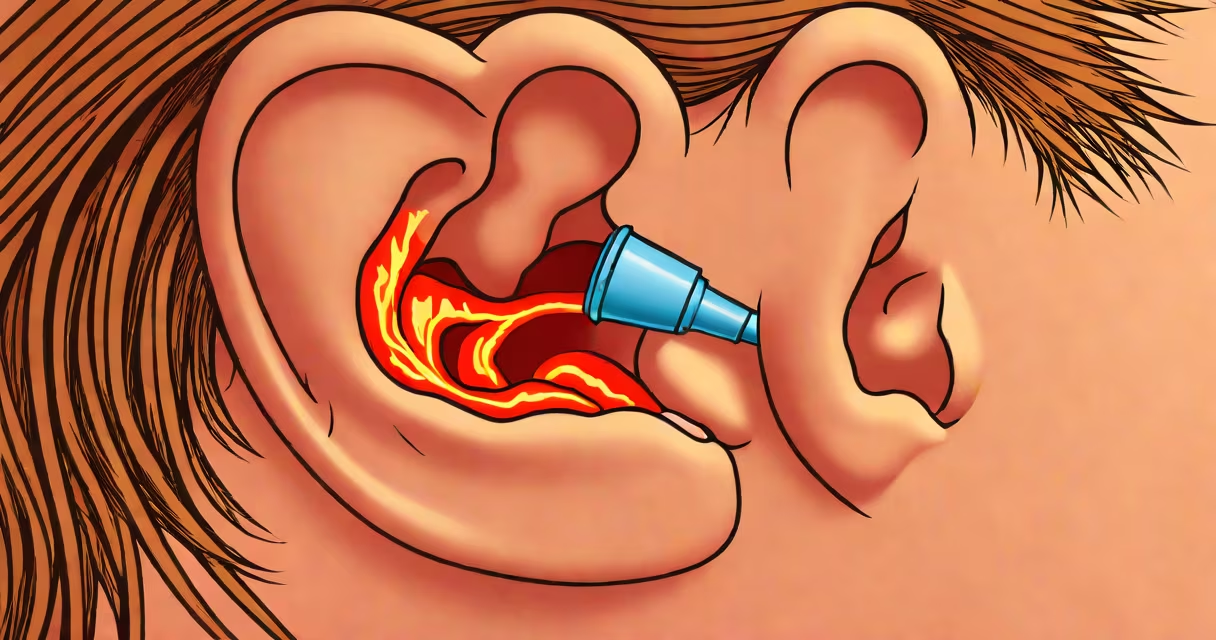
Outer ear infection, medically known as otitis externa, occurs when bacteria or fungi invade the skin lining the ear canal. It typically develops after moisture traps in the ear, creating a breeding ground for pathogens. This condition affects the external auditory canal, not the middle or inner ear.
The most common cause is Pseudomonas aeruginosa, a bacterium often found in water. Other culprits include Staphylococcus aureus and various fungi like Aspergillus or Candida. These microbes thrive in warm, moist environments, making swimming a frequent trigger. The infection leads to inflammation, pain, and sometimes discharge.
According to the American Academy of Otolaryngology-Head and Neck Surgery (AAO-HNS), approximately 25 million cases of otitis externa occur annually in the U.S., with most linked to water exposure. The CDC confirms that 60-70% of acute cases are bacterial, while fungal infections are more likely in people with chronic ear issues or those who frequently use earbuds or hearing aids.
Healthy ear canals have a protective layer of wax and acidic pH that resists invasion. When this barrier breaks down, pathogens enter. Moisture from swimming, showering, or high humidity prevents the skin from drying properly. This creates an ideal environment for microbial growth.
Scratching the ear with cotton swabs, fingers, or hairpins damages the delicate skin lining the canal. Even minor trauma can allow bacteria to penetrate. People with eczema, psoriasis, or diabetes are at higher risk due to compromised skin integrity. Overuse of ear drops containing alcohol or corticosteroids can also disrupt the natural balance.
A 2021 study published in Frontiers in Microbiology found that 38% of recurrent otitis externa cases involved biofilm formation by Pseudomonas. Biofilms are slimy layers that shield bacteria from antibiotics and immune responses, making treatment harder. This explains why some infections persist despite standard care.
Swimming in lakes, rivers, or poorly maintained pools increases exposure to contaminated water. The CDC reports that "swimmer's ear" accounts for nearly half of all diagnosed cases. Warm, humid climates also raise incidence rates-Florida sees 3.5 times more cases per capita than Minnesota.
Other risk factors include:
People who work in hot, humid environments-like kitchen staff or construction workers-also report higher rates. A 2019 survey by the National Institute on Deafness and Other Communication Disorders (NIDCD) showed that 1 in 5 adults with recurring outer ear infections had jobs involving prolonged moisture exposure.
| Trigger | Frequency in Cases | Key Pathogen |
|---|---|---|
| Swimming in freshwater | 42% | Pseudomonas aeruginosa |
| Use of cotton swabs | 28% | Staphylococcus aureus |
| Chronic earwax buildup | 15% | Fungi (e.g., Aspergillus) |
| Diabetes or immunosuppression | 10% | Mixed bacterial/fungal |
One non-obvious factor: ear piercings. A 2020 case series in Otolaryngology-Head and Neck Surgery documented 17 patients with outer ear infections linked to unsterile piercing procedures. The infection often began within 48 hours of piercing and was resistant to initial treatment due to delayed diagnosis.
Outer ear infection is often mistaken for middle ear infection (otitis media), which affects the space behind the eardrum. Otitis media typically presents with fever, ear pressure, and hearing loss, but lacks the intense pain and itching seen in otitis externa. The pain from outer ear infection worsens when pulling on the earlobe-a sign clinicians use to differentiate the two.
Fungal infections are sometimes misdiagnosed as bacterial ones. While both cause itching and discharge, fungal cases often show white or black debris in the ear canal, not pus. Misdiagnosis delays proper treatment. The NIDCD notes that 1 in 6 fungal otitis externa cases were initially treated with antibiotics, leading to worsening symptoms.
I've personally seen a patient with persistent ear pain who'd been prescribed oral antibiotics for weeks. After examining the ear, I found thick, crumbly fungal debris. Switching to antifungal ear drops resolved the issue in five days. This case highlights the danger of treating outer ear infection without confirming the pathogen type.
Do not ignore symptoms like severe pain, swelling that blocks the ear canal, or discharge with a foul odor. These signs suggest a spreading infection or possible abscess. The AAO-HNS recommends seeing a doctor if symptoms last longer than 48 hours or worsen after home care.
Untreated outer ear infection can lead to complications such as malignant otitis externa-an aggressive infection that spreads to bone and nerves. This rare but serious condition affects mostly older adults with diabetes and requires hospitalization and IV antibiotics. Early diagnosis prevents progression.
Understanding what causes outer ear infection reduces unnecessary antibiotic use and speeds recovery. Avoid inserting objects into the ear. Dry ears thoroughly after swimming or bathing. If symptoms persist, seek professional evaluation rather than self-treating.