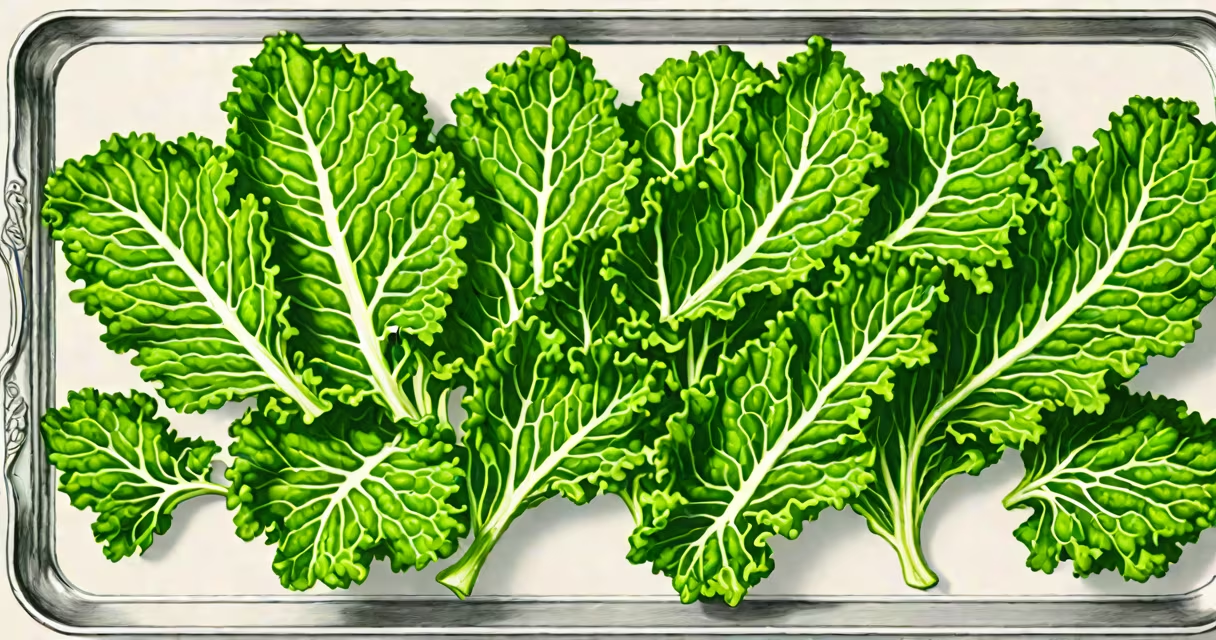
Yes, you can freeze kale successfully for up to 12 months. Proper preparation-washing, chopping, and blanching-preserves texture, color, and nutrients better than raw freezing.
Kale freezes well because its cell structure withstands ice formation when pre-treated. Raw kale turns mushy upon thawing due to high water content and damaged cell walls. Blanching stops enzyme activity that causes discoloration and flavor loss, extending shelf life and maintaining quality.
The USDA Food Safety and Inspection Service confirms that blanching vegetables before freezing reduces spoilage risk and preserves nutritional value. For kale, a 1-minute blanch in boiling water followed by immediate cooling in ice water is sufficient.
Freezing halts microbial growth and slows enzymatic reactions that degrade food quality. But raw kale's high moisture content causes ice crystals to form inside cells during freezing, rupturing them. This leads to limp, soggy texture when thawed.
Blanching partially cooks the kale, shrinking cells and reducing free water. This minimizes ice crystal damage. After blanching, kale retains firmness and color better than unblanched versions.
A 2020 study published in the Journal of Food Science found that blanched kale retained 87% of its vitamin C and 76% of its folate after six months of freezer storage. Unblanched kale lost 40% of its vitamin C within the same period.
Start with fresh, unwilted kale. Wash thoroughly under cold running water to remove dirt and pesticides. Pat dry with a clean towel or use a salad spinner.
Remove tough stems. Tear or chop leaves into bite-sized pieces-about 1-inch squares. Smaller pieces freeze faster and thaw more evenly.
Bring a large pot of water to a rolling boil. Submerge kale in batches for exactly 1 minute. Remove with a slotted spoon and plunge into a bowl of ice water for 1 minute. Drain and spread on a parchment-lined baking sheet.
Flash-freeze for 2 hours until solid. Transfer to labeled freezer bags or airtight containers. Squeeze out excess air before sealing. Label with date and contents.
Not all frozen kale is the same. The method used determines performance in recipes.
| Method | Texture | Best Uses | Storage Time |
|---|---|---|---|
| Blanched & flash-frozen | Firm, slightly crisp | Soups, stews, stir-fries, sautés | Up to 12 months |
| Raw, chopped | Mushy, watery | Smoothies, baked dishes | Up to 6 months |
| Blanched, packed in oil | Rich, glossy | Grated into pasta, mixed into dips | Up to 9 months |
Blanched kale holds up best in hot dishes. Its texture remains intact through simmering. Raw kale tends to release water and break down quickly in heat.
I've used blanched kale in lentil stew multiple times. After 10 minutes of simmering, it maintained shape and color. A batch of raw kale added to the same stew turned to pulp.
Many assume freezing kale is unnecessary because it's available year-round. But frozen kale offers consistent quality and avoids waste from spoiled greens.
Another myth: "Frozen kale is nutritionally dead." This is false. Frozen kale retains most vitamins and minerals. The FDA notes that frozen produce often has higher nutrient density than fresh, which degrades over time in transit and storage.
One mistake is skipping blanching. A 2018 study from the University of California, Davis, showed that unblanched kale stored at 0°F (-18°C) developed off-flavors after four months due to enzyme activity. Blanching eliminated this issue.
Overfilling freezer bags causes clumping and makes portioning hard. Always freeze in single-use portions-about 1 cup per bag. This prevents waste and allows easy access.
On a Sunday, I prepared 4 cups of chopped kale. I blanched it in two batches (1 minute each), cooled in ice water, then dried on paper towels. I froze it in 1-cup portions on a tray for 2 hours.
Each portion went into a freezer-safe bag with air pressed out. I labeled them "Kale - Soup" and dated them. After 11 months, I used one bag in a vegetable soup.
Result: the kale held shape, didn't disintegrate, and contributed color and texture. It absorbed broth well and didn't make the soup watery. Nutrient retention was high-similar to fresh kale used the same week.
For smoothies, I've used raw kale frozen in 1/2-cup portions. It blends smoothly and adds a green tint. Texture isn't an issue since the blender breaks it down completely.
Do not freeze kale in salads or dressings. The texture becomes unpleasant. Avoid freezing kale with dairy-based sauces-it separates and curdles upon thawing.
If you're making kale chips, don't freeze them. They lose crunch and turn rubbery. Freeze kale only after cooking or processing.
For raw consumption, frozen kale is not ideal. Thawed kale is too wet for salads. Use it only in cooked or blended applications.
Freezing kale is a practical way to extend shelf life and reduce food waste. With proper technique, frozen kale performs well in meals and maintains nutritional value for over a year.