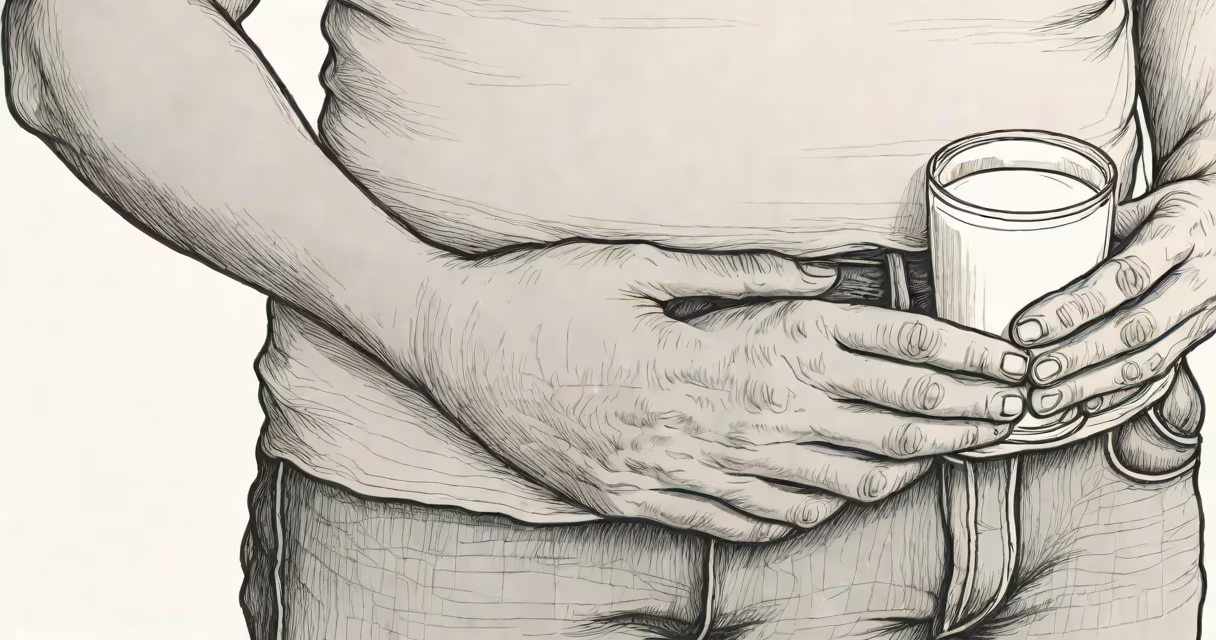
Stomach hurting after drinking milk typically results from lactose intolerance, a condition where the body lacks sufficient lactase enzyme to digest lactose, the primary sugar in milk. This leads to bloating, gas, cramps, and diarrhea within 30 minutes to two hours after consumption.
Lactose intolerance affects approximately 68% of the global population, according to the National Institutes of Health (NIH). It is most common in East Asian, West African, Arab, Jewish, and Greek populations. In contrast, only about 5% of people of Northern European descent are affected. The condition develops gradually, often appearing in late childhood or adulthood, not in infancy.
When undigested lactose reaches the large intestine, gut bacteria ferment it, producing gas and drawing water into the bowel. This process explains the abdominal pain, distension, and loose stools many experience. True milk allergy-mediated by IgE antibodies-is rare in adults and involves immune system reactions that can cause hives, swelling, or anaphylaxis, not just gastrointestinal distress.
The small intestine produces lactase, an enzyme that breaks down lactose into glucose and galactose for absorption. Without enough lactase, lactose remains in the intestinal lumen. Bacteria metabolize it, releasing hydrogen and methane gases. These gases increase pressure in the gut, triggering cramping and bloating.
A study published in the journal Gastroenterology found that individuals with low lactase activity show higher breath hydrogen levels after consuming 25 grams of lactose-equivalent to a large glass of milk-compared to those with normal enzyme function. Breath tests are the gold standard for diagnosing lactose malabsorption.
Some people experience symptoms only with large quantities of milk. A single 8-ounce glass contains about 12 grams of lactose. Individuals with partial lactase deficiency may tolerate yogurt (which contains live cultures that break down lactose) or hard cheeses (low in lactose due to aging).
There are three main types of lactose intolerance:
Common triggers include whole milk, ice cream, soft cheeses, and processed foods containing whey or casein. Even trace amounts in breads, cereals, or salad dressings can cause issues. A 2020 review in Frontiers in Nutrition reported that 40% of patients with irritable bowel syndrome (IBS) improve symptom control when avoiding lactose.
Stomach hurting after drinking milk is frequently mistaken for acid reflux, gastritis, or food poisoning. However, the timing and pattern differ. Lactose-related pain usually begins 30 minutes to two hours after ingestion and resolves within four to six hours. Acid reflux typically occurs immediately after eating and worsens when lying down.
Upper stomach hurting after eating often points to gastric ulcers or bile reflux. These conditions involve burning pain, nausea, and sometimes vomiting. Lactose intolerance rarely causes nausea unless severe. If pain persists beyond six hours or includes fever, blood in stool, or weight loss, consult a gastroenterologist.
True milk allergy involves IgE-mediated immune responses. Symptoms appear within minutes and may include itching, swelling, difficulty breathing, or anaphylaxis. Skin prick tests and specific IgE blood tests confirm allergy. Unlike intolerance, allergy requires strict avoidance of all dairy, including hidden sources like casein in processed meats.
| Condition | Onset Time | Key Symptoms | Diagnostic Test |
|---|---|---|---|
| Lactose intolerance | 30 min - 2 hrs | Bloating, gas, cramps, diarrhea | Hydrogen breath test |
| Milk allergy | Minutes | Hives, swelling, trouble breathing, anaphylaxis | Specific IgE blood test |
| Gastritis | Immediate to 1 hr | Burning pain, nausea, vomiting | Endoscopy, biopsy |
If you suspect lactose intolerance, eliminate dairy for seven days and track symptoms. Reintroduce small amounts of milk or yogurt to observe reactions. A trial of lactase supplements (e.g., Lactaid) taken before meals can help determine if lactose is the culprit.
For accurate diagnosis, see a gastroenterologist. The hydrogen breath test measures breath hydrogen levels after ingesting 50 grams of lactose. A rise of 20 ppm above baseline indicates malabsorption. Blood glucose testing after lactose intake is less reliable due to variable absorption rates.
I experienced this firsthand during college. After consistently feeling bloated after morning coffee with milk, I eliminated dairy for five days. My symptoms vanished. Reintroducing a small amount of lactose triggered cramps within 90 minutes. A breath test confirmed lactose malabsorption. Switching to oat milk and taking lactase tablets restored comfort.
Managing stomach hurting after drinking milk involves dietary adjustment, not elimination. Many tolerate up to 12 grams of lactose per day-about one cup of milk-without symptoms. Fermented dairy products like kefir or aged cheeses have lower lactose content and may be well-tolerated.
Stomach hurting after drinking milk is not a sign of poor health-it's a biological response to missing enzymes. Understanding the cause allows effective management without fear of long-term harm.