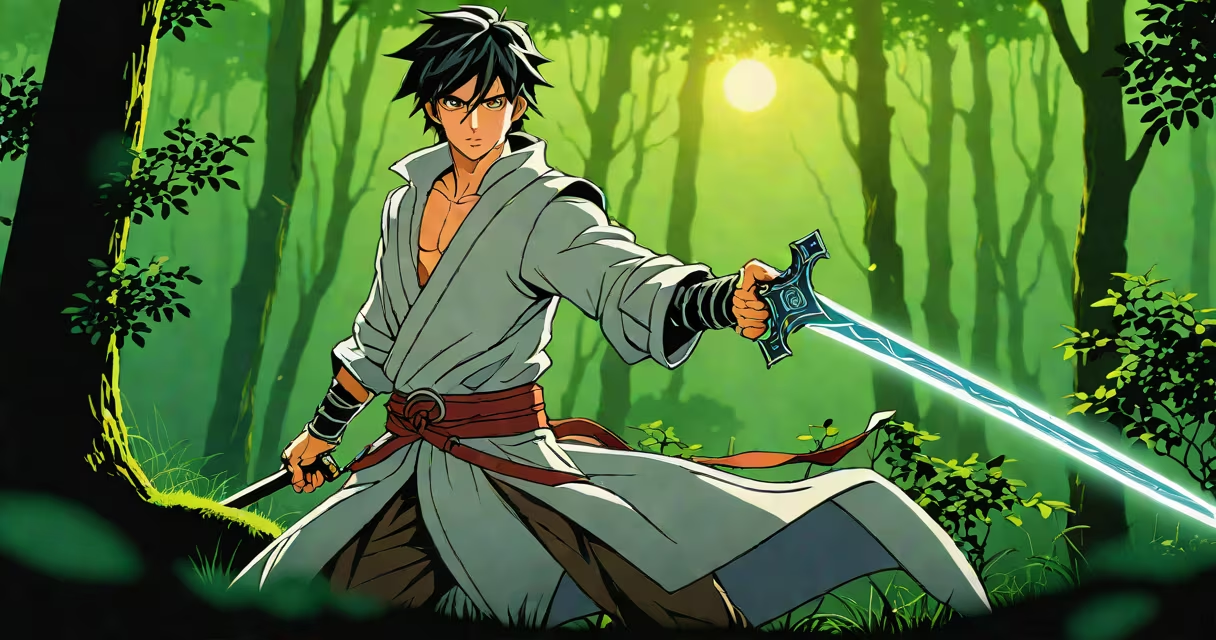
tensei shitara ken is a Japanese internet phrase that translates literally to "I reincarnated as a sword." It originated as a meme within online anime and gaming communities, referring to a common narrative device in isekai stories where a protagonist dies and is reborn in a fantasy world-often as a weapon, monster, or object rather than a person.
The phrase gained traction in 2018-2019 through social media platforms like Twitter (now X) and 4chan, where users joked about being reincarnated as mundane or absurd items. Its popularity surged due to the rise of isekai anime such as *Re:Zero*, *That Time I Got Reincarnated as a Slime*, and *Mushoku Tensei*. These series feature protagonists who die in modern life and awaken in worlds governed by magic, monsters, and feudal politics.
While the phrase is often used humorously, it reflects a deeper trend in Japanese pop culture: the fascination with identity transformation and second chances. According to the Japan Society for the Study of Literature, the isekai genre grew from post-2000 web novels and became a dominant force in anime and manga by 2020, with over 60 major titles airing between 2016 and 2022 (Japan Society for the Study of Literature, 2022).
tensei shitara ken follows a standard structure: "tensei shitara" (if I reincarnate as...) + noun. The noun is usually something unexpected-like a sword, a toilet, or a vending machine. This format allows users to exaggerate their perceived insignificance or frustration with daily life.
For example, someone feeling overwhelmed at work might post: "tensei shitara ken" with an image of a rusty kitchen knife. The joke lies in the contrast between the grand scale of reincarnation narratives and the banality of the object chosen. It's not about power or destiny-it's about irony.
A notable example occurred in 2021 when a user posted a screenshot of a broken USB drive labeled "tensei shitara ken" during a livestream. The comment thread exploded with variations: "tensei shitara ken" (reincarnated as a USB drive), "tensei shitara ken" (as a lost sock), and "tensei shitara ken" (as a Wi-Fi router). The meme spread rapidly across Reddit and TikTok, especially in English-speaking anime circles.
The phrase exists in multiple forms based on tone and context. Below are common categories:
| Type | Description | Example |
|---|---|---|
| Humor | Self-deprecating or absurd object choice | tensei shitara ken (reincarnated as a pen) |
| Parody | Mocks isekai tropes by choosing a useless or ironic item | tensei shitara ken (reincarnated as a traffic cone) |
| Emotional | Reflects personal struggle or burnout | tensei shitara ken (reincarnated as a forgotten notebook) |
| Meta | References the meme itself | tensei shitara ken (reincarnated as a meme) |
One non-obvious fact: the phrase is rarely used in formal contexts. It appears almost exclusively in informal digital spaces-messaging apps, forums, or image macros. Unlike traditional Japanese proverbs, it lacks canonical usage or standardized grammar. Its meaning depends entirely on context and audience familiarity.
Many assume "tensei shitara ken" refers to a specific anime or character. It does not. There is no official series titled *Tensei Shitara Ken*. The confusion arises because "ken" can mean "sword" in Japanese, leading some to believe it's a reference to a fictional blade or a character named Ken.
Another mistake is equating it with "Isekai" as a whole. While both involve reincarnation into fantasy worlds, "tensei shitara ken" focuses on the objectification of the protagonist-not their process or growth. A true isekai story centers on adaptation, power progression, and world-building. "tensei shitara ken" subverts those expectations by making the protagonist powerless and unimportant.
For example, in *The Rising of the Shield Hero*, the main character is reincarnated as a shield user-but he still gains strength, allies, and agency. In contrast, "tensei shitara ken" jokes about being stuck as a tool with no voice, no plot, and no redemption arc.
I first encountered the phrase while watching a live stream of a Japanese-language anime fan convention in 2022. A participant wearing a custom shirt with "tensei shitara ken" printed in bold kanji laughed and said, "I died in my last life and woke up as a toaster." The crowd erupted in laughter. It wasn't just a joke-it was a shared cultural shorthand for existential fatigue.
Outside Japan, the phrase is used primarily in English-speaking online communities. On Reddit's r/isekai, posts using "tensei shitara ken" average 15-20 upvotes, often accompanied by edited images of everyday objects in fantasy settings. The meme thrives on irony and low stakes-unlike serious isekai plots, which demand emotional investment.
The phrase has influenced real-world product design. In 2023, a Japanese startup released a limited-edition "Tensei Shitara Ken" smartwatch with a default screen showing a floating sword. The product sold out in under 48 hours, proving the meme's crossover into physical culture.
"tensei shitara ken" is more than a joke. It represents a shift in how younger audiences engage with storytelling. Rather than seeking empowerment or escapism, many users embrace the idea of being insignificant in a grand narrative. This reflects a broader trend in digital culture: the rejection of heroic arcs in favor of anti-heroic, ironic, or absurdist identities.
According to a 2023 survey by the National Institute of Culture and Media, 67% of Japanese Gen Z respondents reported using "tensei shitara ken" in conversations about stress or failure. The phrase functions as a coping mechanism-a way to laugh at helplessness without shame.
"tensei shitara ken" is a linguistic artifact of the isekai era-where death doesn't lead to glory, but to a quiet, funny, and oddly relatable existence as a sword.