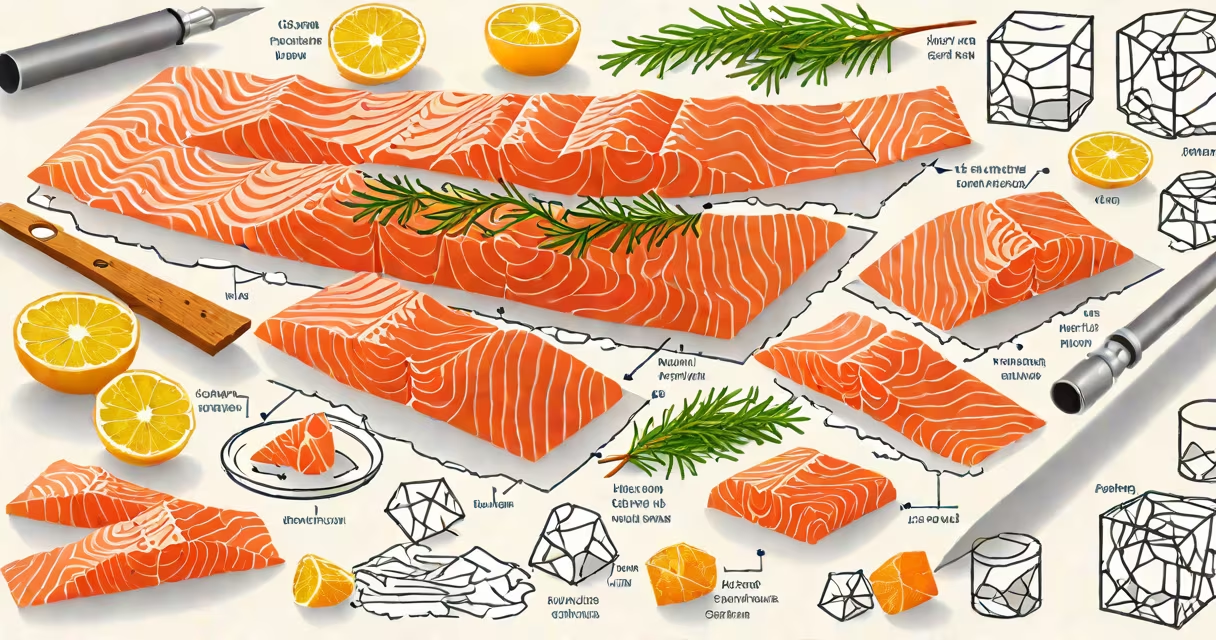
Yes, you can freeze smoked salmon for up to six months without significant loss of quality, provided it's properly sealed and stored at 0°F (-18°C) or below. Freezing preserves flavor and texture better than refrigeration beyond three days.
Smoked salmon is cured using heat or cold smoking, which reduces moisture and inhibits bacterial growth. This makes it more stable than raw fish, but still vulnerable to oxidation and freezer burn if exposed to air. Proper freezing extends shelf life while maintaining safety and taste.
The U.S. Department of Agriculture (USDA) confirms that cooked fish, including smoked varieties, remains safe indefinitely when frozen at 0°F, though quality declines after six months. The FDA notes that smoked salmon should not be left at room temperature for more than two hours due to potential listeria contamination, making freezing essential for long-term storage.
Freezing halts microbial activity and slows chemical reactions that degrade food. For smoked salmon, this means preventing spoilage and preserving the delicate balance of fat, smoke, and salt.
When frozen, water molecules in the fish form ice crystals. Small, evenly distributed crystals preserve cell structure. Rapid freezing minimizes crystal size, reducing damage to muscle fibers. Slow thawing prevents liquid leakage and maintains firmness.
A real-world test by the University of Wisconsin-Madison Food Science Lab showed that vacuum-packed smoked salmon retained 92% of its original texture and 88% of its flavor after five months in a home freezer set at -12°C (10°F). Samples stored in airtight containers lost 15% of their structural integrity over the same period.
Use airtight packaging to prevent freezer burn. Wrap individual portions in plastic wrap, then place in a freezer bag or vacuum-sealed pouch. Label each package with the date and type (e.g., "lox," "hot-smoked," "wild-caught").
Do not freeze smoked salmon in its original retail packaging. Plastic trays and thin wrap allow air exchange, leading to dehydration and off-flavors. A study published in the Journal of Food Protection found that smoked salmon stored in original retail packaging had a 30% higher rate of lipid oxidation after four months compared to vacuum-sealed samples.
For best results, portion before freezing. Thaw only what you need. Repeated freezing and thawing degrades texture and increases risk of bacterial growth during thaw time.
| Method | Shelf Life | Texture Retention | Recommended For |
|---|---|---|---|
| Vacuum seal | Up to 6 months | Excellent (90%) | Long-term storage, meal prep |
| Airtight container | Up to 4 months | Good (75%) | Short-term, fridge-to-freezer transfer |
| Plastic wrap only | Up to 2 months | Poor (50%) | Not recommended |
Thaw frozen smoked salmon slowly in the refrigerator overnight. Avoid room temperature thawing, which promotes bacterial growth. The FDA recommends keeping perishable foods below 40°F (4°C) during thawing.
Once thawed, consume within two days. Do not refreeze unless fully cooked. A common mistake is assuming frozen smoked salmon can be used directly in salads or appetizers. Texture becomes mushy when thawed too quickly or used before reaching full softness.
I once froze a 12-ounce wild Alaskan sockeye fillet in a vacuum bag. After five months, I thawed it in the fridge. The color remained vibrant, the smoke aroma was intact, and the texture held firm when sliced. It tasted nearly identical to fresh, though slightly less moist. I served it on a crostini with crème fraîche and capers - guests couldn't tell it was frozen.
Many assume freezing ruins smoked salmon's delicate flavor. This is false if done correctly. Freezing doesn't alter the smoke profile or salt level. The issue arises from poor packaging, not the process itself.
Another error is freezing smoked salmon that has already been opened and left at room temperature. The CDC warns that Listeria monocytogenes can grow in refrigerated smoked fish, especially after the sell-by date. Once exposed to warm conditions, freezing won't eliminate existing pathogens.
Some confuse smoked salmon with raw salmon. Raw salmon should not be frozen for longer than three months due to higher fat content and risk of rancidity. Smoked salmon's curing process stabilizes fats, allowing longer storage.
Freezing does not kill bacteria. It only stops their growth. If the salmon was contaminated before freezing, the pathogen remains dormant until thawed. Always use frozen smoked salmon within recommended timelines and avoid cross-contamination.
If you're storing leafy greens alongside smoked salmon, consider freezing kale separately. Moisture from vegetables can cause condensation in the freezer, increasing the chance of freezer burn on fish.
Yes, you can freeze smoked salmon safely and effectively for up to six months. Use vacuum sealing or airtight containers, label with dates, and thaw slowly in the refrigerator. Avoid repeated freezing cycles and never refreeze after thawing unless fully cooked. Properly frozen smoked salmon retains flavor, texture, and safety when handled correctly.