Vitamin D2, also known as ergocalciferol, is a fat-soluble vitamin derived from plant sources that helps regulate calcium and phosphate levels in the blood, supporting bone health and immune function. It is one of two primary forms of vitamin D used in human nutrition, the other being vitamin D3.
Vitamin D2 is synthesized by fungi and plants when exposed to ultraviolet light. It is not produced in the human body but must be obtained through diet or supplementation. Once ingested, vitamin D2 undergoes metabolic activation in the liver and kidneys to form calcitriol, the biologically active form that regulates gene expression related to calcium absorption and bone mineralization.
The body converts vitamin D2 into 25-hydroxyvitamin D, which is measured in blood tests to assess vitamin D status. Levels below 20 ng/mL indicate deficiency, while optimal levels typically range between 30-50 ng/mL. Vitamin D2 is primarily used to treat or prevent conditions linked to low vitamin D, such as rickets in children and osteomalacia in adults.
Vitamin D2 functions as a prohormone. After consumption, it travels to the liver, where it is hydroxylated to 25-hydroxyvitamin D2. This compound then moves to the kidneys, where further hydroxylation produces 1,25-dihydroxyvitamin D2-the active hormone responsible for increasing intestinal absorption of calcium and phosphorus.
Without sufficient vitamin D2, the intestines absorb less than 10% of dietary calcium. With adequate levels, absorption increases to 30-40%. This process is critical for maintaining serum calcium levels, preventing muscle weakness, and preserving bone density. Low levels are associated with increased fracture risk, especially in older adults.
A 2020 study published in the *Journal of Clinical Endocrinology & Metabolism* found that vitamin D2 supplementation effectively raised serum 25(OH)D levels in individuals with deficiency, though the effect was less sustained compared to vitamin D3. Over a 12-week period, participants receiving 2,000 IU daily of D2 saw average increases from 15 ng/mL to 28 ng/mL, meeting the threshold for sufficiency in 68% of cases.
Vitamin D2 is naturally present in few foods. It is most commonly found in mushrooms exposed to UV light, such as UV-treated portobello or maitake mushrooms. Fortified foods include certain plant-based milks, breakfast cereals, and some margarines. However, dietary intake rarely meets recommended daily allowances.
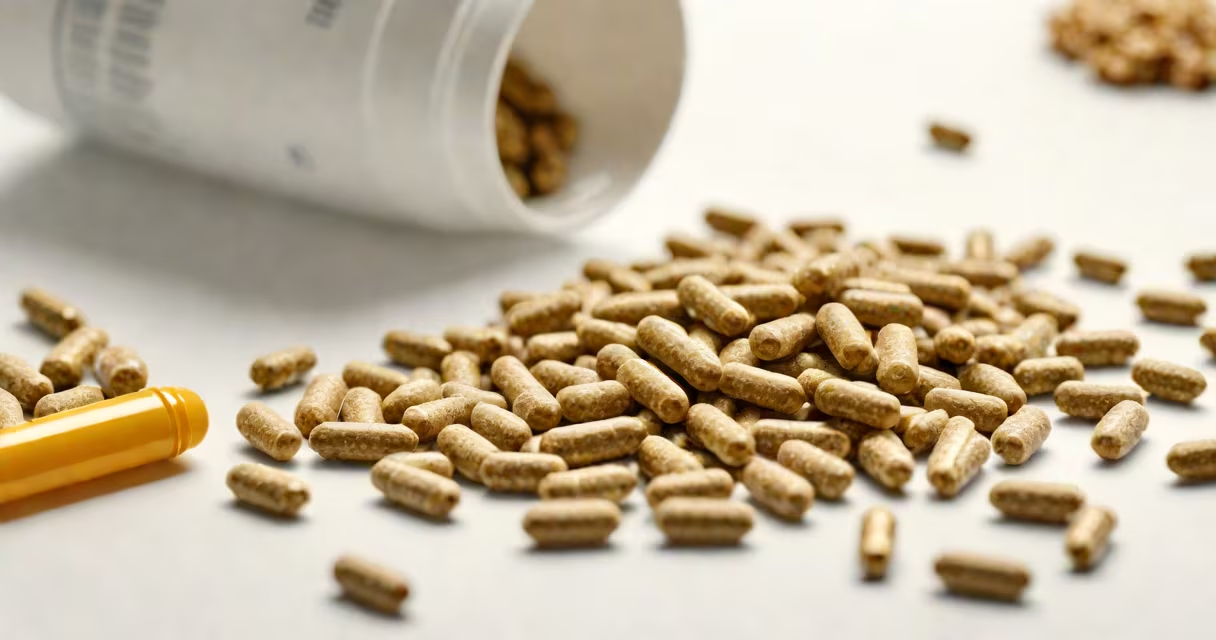
Supplements are the primary source for therapeutic doses. Available in capsule, tablet, and liquid drop formats, vitamin D2 is often prescribed for patients with malabsorption disorders, those on long-term corticosteroid therapy, or individuals following strict vegan diets.
| Source Type | Natural Sources | Common Supplements | Daily Value (DV) Contribution |
|---|---|---|---|
| Plant-based | UV-exposed mushrooms (e.g., 100g portobello = ~100 IU) | 2,000 IU capsules, 1,000 IU tablets | 50% DV (2,000 IU) |
| Fortified Foods | Fortified soy milk (1 cup ≈ 100 IU) | Multi-vitamins with D2 (100-400 IU) | 10-20% DV |
| Medical Use | None | Prescription D2 (50,000 IU weekly for deficiency) | 1,250% DV |
One non-obvious fact: despite being effective, vitamin D2 is less stable than D3. Studies show it degrades faster in storage, particularly in liquid formulations. A 2018 analysis by the National Institutes of Health found that D2 lost 30% of potency after 18 months at room temperature, whereas D3 retained 90%.
Vitamin D2 is frequently prescribed for people with vitamin D deficiency, especially those who cannot tolerate or prefer not to take animal-derived supplements. It is commonly used in clinical settings to correct low levels in hospitalized patients or those with chronic kidney disease.
However, confusion arises between D2 and D3. Many assume they are interchangeable. They are not. Vitamin D3 (cholecalciferol), derived from animal sources like fish oil or sheep's wool lanolin, is more effective at raising and sustaining serum 25(OH)D levels. A 2017 meta-analysis in *The BMJ* concluded that D3 was 50% more effective than D2 in increasing serum vitamin D concentrations over time.
Another misconception is that D2 is suitable for long-term maintenance. Because it has a shorter half-life and lower bioavailability, D3 is preferred for ongoing supplementation. The Endocrine Society recommends D3 for routine use in deficiency prevention, reserving D2 for specific cases like vegan patients or those with fat malabsorption.
A 38-year-old woman following a whole-food vegan diet presented with fatigue and bone pain. Blood work showed a 25(OH)D level of 12 ng/mL. She had no sun exposure due to living in Seattle and consumed no animal products.
Her doctor prescribed 50,000 IU of vitamin D2 once weekly for eight weeks. After four weeks, her level rose to 24 ng/mL. By week eight, it reached 38 ng/mL. She reported improved energy and reduced joint discomfort. Maintenance was switched to 2,000 IU of D3 daily to sustain levels above 30 ng/mL.
This case illustrates that while D2 can correct deficiency quickly, D3 is better suited for long-term stability. The patient later asked about combining D2 and D3. Research shows no benefit from mixing forms; the body uses the active metabolite regardless of precursor.
Although both forms are converted to calcitriol, their chemical structures differ. D2 has a double bond at carbon 22-23 and a side chain with a methyl group, making it less efficient in binding to the vitamin D receptor. This structural difference reduces its potency and duration of action.
For individuals with limited sun exposure, poor dietary intake, or chronic illness, choosing the right form matters. If you're considering supplementation, consult a healthcare provider. Blood testing is the only way to confirm deficiency. Self-treatment without testing risks overdosing, which can lead to hypercalcemia and kidney stones.
Vitamin D2 remains a clinically useful tool for correcting deficiency, particularly in populations avoiding animal products. But its limitations in potency and longevity make D3 the preferred choice for long-term use. Always base decisions on lab results, not assumptions.