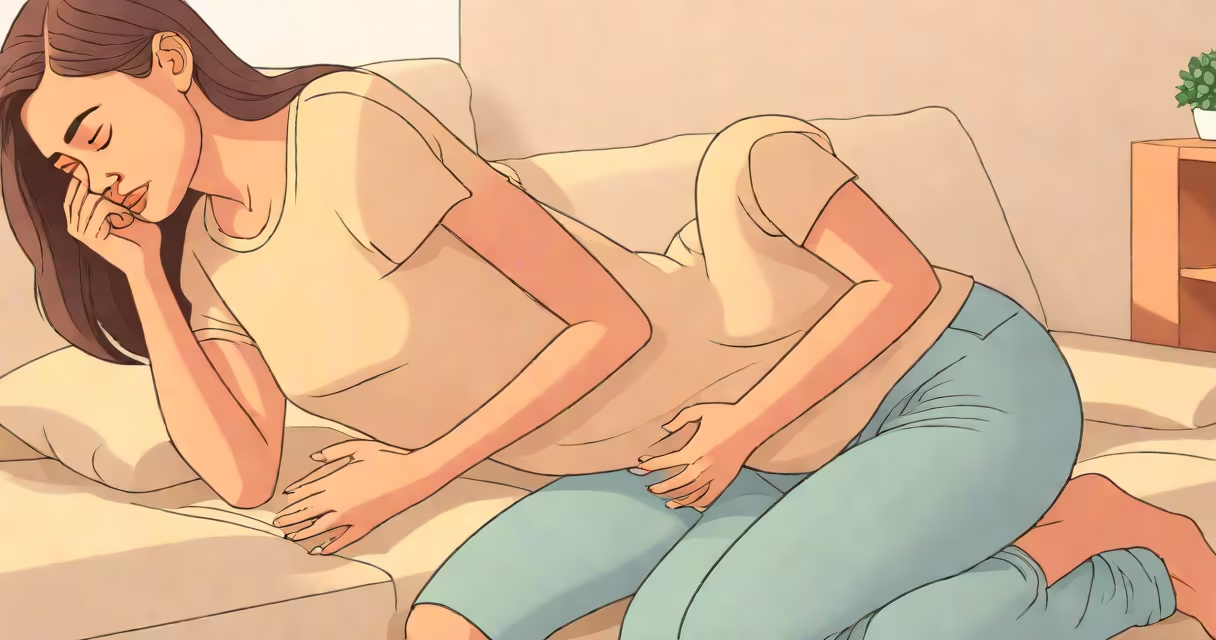
Cramping a week after period ended typically results from ovulation, early pregnancy signs, or hormonal shifts. It's not uncommon, especially in cycles with regular ovulation. This timing aligns with mid-cycle events, not the end of menstruation.
Menstrual cramps usually occur during or just after bleeding ends. Cramping that begins seven days after the last period suggests a different biological trigger. The most common cause is ovulation-the release of an egg from the ovary around day 14 in a 28-day cycle. Ovulation can cause sharp, one-sided lower abdominal pain lasting hours to a few days.
Other potential triggers include early pregnancy implantation, which occurs 6-12 days after ovulation. Some women report mild cramping during this phase, often described as a dull ache or twinge. Hormonal fluctuations, particularly rising progesterone levels, can also increase uterine sensitivity. These changes are normal but may feel uncomfortable.
Ovulation happens midway through the average 28-day cycle. For someone with a regular cycle, this lands about 14 days after the first day of their last period. Cramping at this stage is often brief and localized-on one side of the lower abdomen. It may be accompanied by clear, stretchy cervical mucus or increased libido.
Implantation cramping, if pregnancy occurs, typically appears 6-12 days after ovulation. That places it roughly 7-13 days after the end of a typical period. The sensation is subtle-like mild menstrual cramps-but not heavy. It lasts one to three days and may be paired with light spotting.
For reference, a 2020 study in Human Reproduction found that 38% of women reported ovulation-related pain, with most experiencing it between days 10 and 18 of their cycle. This supports the idea that cramping a week after a period ends falls within expected biological timing.
The primary drivers behind cramping a week after period ended are physiological processes tied to fertility. Ovulation involves follicular rupture and release of the egg, which can irritate the pelvic lining. Prostaglandins-hormone-like substances released during ovulation-can cause muscle contractions in the uterus and fallopian tubes, leading to pain.
Implantation requires the embryo to attach to the uterine lining. This process triggers minor inflammation and blood vessel changes, sometimes resulting in cramping. A 2019 review in Reproductive Biology and Endocrinology noted that implantation cramping affects about 25% of pregnant women, though it's rarely severe.
Less common causes include endometriosis, pelvic inflammatory disease (PID), or ovarian cysts. These conditions may cause persistent or worsening pain. If cramping is severe, lasts longer than three days, or recurs monthly, medical evaluation is advised.
Women tracking fertility often monitor mid-cycle cramping as a sign of ovulation. This is part of natural family planning methods. The symptom helps identify fertile windows for conception or contraception.
Healthcare providers use this symptom to assess reproductive health. Persistent or abnormal cramping after periods may prompt tests for hormone imbalances, thyroid dysfunction, or polycystic ovary syndrome (PCOS). The American College of Obstetricians and Gynecologists (ACOG) recommends evaluating chronic pelvic pain to rule out underlying conditions.
For example, a woman with irregular cycles who experiences cramping seven days after her period ends may benefit from a baseline hormone panel. If she's trying to conceive, tracking ovulation pain alongside basal body temperature and cervical mucus can improve timing accuracy.
Many assume cramping after a period signals a new cycle starting. But the menstrual cycle begins on Day 1-the first day of bleeding. Ovulation occurs mid-cycle, not at the end of menstruation. Cramping a week after bleeding ends is not a sign of the next period approaching.
Another misconception is that all post-period cramping indicates infection. While PID can cause pain, it typically presents with fever, abnormal discharge, or pain during sex. Isolated cramping without these signs is unlikely to be infectious.
A less obvious point: cramping a week after period ended may coincide with luteal phase changes. After ovulation, progesterone rises to prepare the uterus for pregnancy. This can cause bloating, breast tenderness, and mild cramping. These symptoms are normal and don't require treatment unless disruptive.
Understanding the difference between cramping and other pelvic sensations helps clarify whether concern is warranted.
| Symptom | Timing | Common Cause | Duration |
|---|---|---|---|
| Cramping a week after period ended | Day 14-16 in 28-day cycle | Ovulation, implantation, hormonal shift | Hours to 3 days |
| Bleeding and cramping a week before period | Day 21-23 | Pre-menstrual phase, hormonal drop | 1-3 days |
| Cramping 6 days after period | Day 13-14 | Early ovulation, ovulation pain | 1-2 days |
For example, a woman with a 28-day cycle who bleeds from Day 1 to Day 5 may feel cramping on Day 12. That's six days after her period ended. This timing aligns with ovulation, not the start of the next cycle. Cramping on Day 14-seven days after bleeding stopped-is consistent with mid-cycle ovulation.
I once tracked my own ovulation using a fertility app and noticed a sharp left-side cramp on Day 13. It lasted two hours and was accompanied by clear cervical fluid. The app flagged it as ovulation. Confirming with a urine LH test later that day showed a surge. This real-world example shows how cramping a week after period ended can be a reliable fertility indicator.
Cramping a week after period ended is usually benign. However, consult a provider if:
Conditions like endometriosis or adenomyosis may mimic ovulation pain but involve deeper tissue involvement. ACOG states that persistent pelvic pain affects 15% of reproductive-age women and warrants diagnostic imaging or laparoscopy if needed.
If pregnancy is suspected, take a home test. Cramping a week after period ended may precede a positive result. If the test is negative and symptoms continue, follow up with a healthcare provider.
Cramping a week after period ended is frequently a sign of ovulation or early pregnancy. It reflects normal reproductive function. Tracking it alongside other symptoms improves understanding of fertility and health. When pain is severe or persistent, medical evaluation ensures no underlying condition is missed.