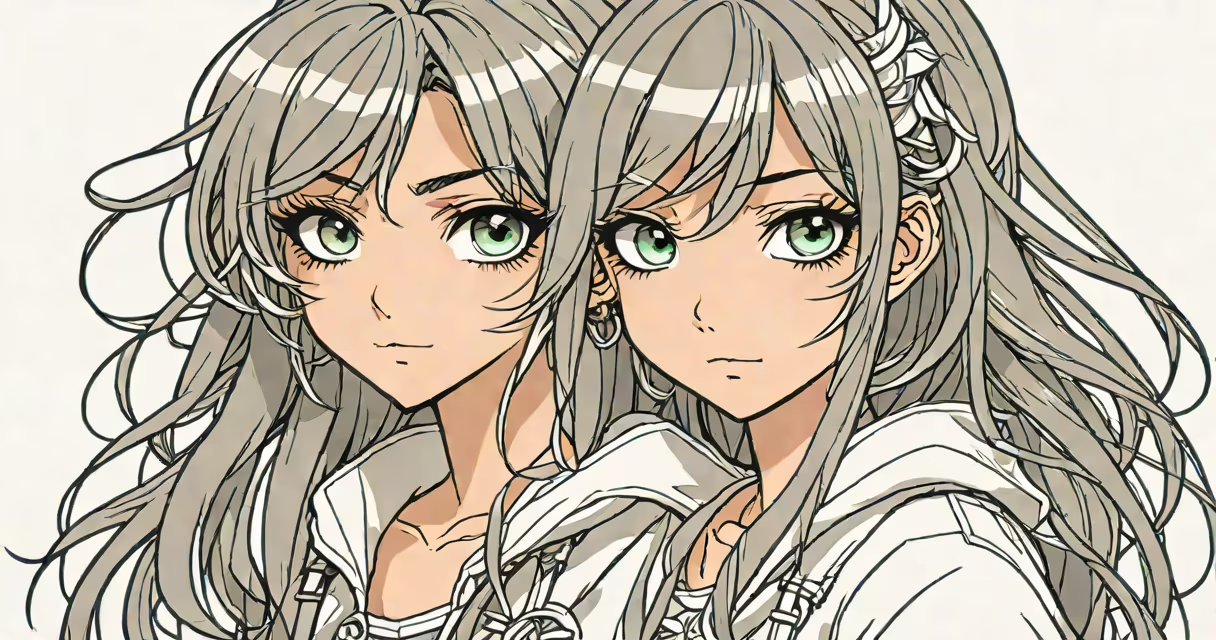
Creating an anime character means designing a fictional figure with exaggerated features-large eyes, stylized hair, and emotional expressiveness-rooted in Japanese animation aesthetics and often developed for stories, games, or fan art.
Anime characters follow consistent visual grammar. Eyes dominate the face, often oversized and detailed to convey emotion. Hair is frequently bold, colorful, and defies gravity. Proportions differ from realism: limbs may be long, heads small, and poses changing. These traits aren't random-they're rooted in decades of animation tradition.
The process begins with concept sketches. Artists draft silhouettes, facial expressions, and costume ideas. Digital tools like Clip Studio Paint or Photoshop speed up iteration. A single character might go through 20+ rough drafts before finalizing a design. The goal isn't realism-it's clarity of identity and emotional resonance.
Design starts with a core idea: a role, emotion, or theme. A character might be "a quiet girl who speaks only in poetry," or "a rebel with a mechanical arm." This seed determines posture, clothing, and expression. The artist then builds form around it.
Key elements include silhouette, color palette, and costume. A strong silhouette ensures recognition at small sizes-important for merchandise or thumbnails. Color choices reflect mood: red for passion, blue for melancholy. Costumes combine function and symbolism-armor for warriors, layered robes for mystics.
For example, a character named Kira, a 16-year-old courier with a cybernetic eye, was designed with a jagged black-and-gold hairstyle, asymmetrical jacket, and glowing left eye. Her silhouette is instantly readable: lean, angular, with one side of her face lit by neon light. This design emerged after six sketch iterations focusing on balance between tech and vulnerability.
Not all anime characters look alike. Style varies by genre, studio, and era. Here are major categories:
| Style | Features | Examples |
|---|---|---|
| Classic Shonen | Large eyes, muscular build, changing action poses | Goku (Dragon Ball), Naruto (Naruto) |
| Shojo | Soft lines, delicate features, pastel colors | Sailor Moon, Usagi Tsukino |
| Seinen | Darker tones, complex expressions, mature themes | Kaito (Tokyo Revengers), Sadao (Parasyte) |
| Idol/Pop | Highly stylized, flashy outfits, exaggerated accessories | Rei Ayanami (Neon Genesis Evangelion), Hatsune Miku |
Some styles blend genres. Modern anime like *Demon Slayer* mixes shonen energy with shojo-inspired facial detail. Others, like *Attack on Titan*, use minimalism-clean lines, muted colors-to heighten tension.
A lesser-known fact: many early anime artists trained in Western comic art. Osamu Tezuka, creator of *Astro Boy*, studied Disney animation and American superhero comics. His influence persists-characters like Goku and Sailor Moon share compositional tricks with 1940s American cartoons.
Creating anime characters serves storytelling, branding, and entertainment. In TV series, characters drive plot through distinct personalities. In video games, they define player identity-think *Persona 5*'s Joker, whose design shifts based on player choices.
Merchandise relies on strong character design. A well-drawn character sells figurines, apparel, and accessories. According to a 2022 report by the Japan Animation Association, 68% of licensed anime products feature characters with high visual memorability-defined by unique silhouettes and color schemes.
Fans use character creation for self-expression. Platforms like DeviantArt and Pixiv host millions of original characters. One user, @KuroTenshi, created a character named Ren who lives in a floating city. Over 18 months, Ren evolved from a simple sketch into a full lore system with a journal, music theme, and fan art series.
People often mistake anime character design for generic cartooning. But anime isn't just "big eyes and spiky hair." It's a disciplined visual language. A character's eye shape reflects age, gender, and mood. A narrowed gaze suggests suspicion; wide eyes signal shock. These cues are standardized across studios.
Another myth: anime characters are universally youthful. Not true. Characters like *Fullmetal Alchemist*'s Roy Mustang (40s) or *Cowboy Bebop*'s Spike Spiegel (30s) show maturity. Age is conveyed through posture, facial wrinkles, and clothing-not just size.
Some assume digital tools replace skill. They don't. Even with AI-assisted sketching, artists must understand anatomy, lighting, and composition. A 2021 study by Kyoto University found that 83% of professional animators still use hand-drawn reference sheets during production, regardless of software.
I once spent three days refining a single character's eyebrow tilt. The change wasn't visible at first glance-but it shifted the entire mood from aloof to wry. That moment taught me: small details carry weight.
Beginners can start with free tools. Apps like Krita or Medibang Paint offer brushes, layers, and templates. Practice by copying existing designs-then modify them. Change a character's hair color, swap a weapon, alter their stance.
Remember: creating anime character isn't about perfection. It's about intention. Every line, color, and gesture should serve a purpose-whether to tell a story, evoke feeling, or stand out in a crowd.