"Keep the sabbath" means observing the seventh day as a sacred time of rest, worship, and cessation from work, based on the commandment in Exodus 20:8-11. This practice originates in the creation narrative, where God rested on the seventh day after six days of creation.
The phrase appears in the Ten Commandments, specifically in the Fourth Commandment: "Remember the sabbath day, to keep it holy." It calls for refraining from labor, including cooking, traveling, and using electronic devices, depending on tradition. The concept extends beyond mere rest-it's a weekly act of spiritual renewal and communal identity.
Observance varies across religious traditions. In Judaism, the sabbath begins Friday evening at sunset and ends Saturday nightfall. In many Christian denominations, Sunday is observed as the Lord's Day, commemorating Christ's resurrection. Both practices reflect a commitment to pause from worldly activity and focus on sacred time.
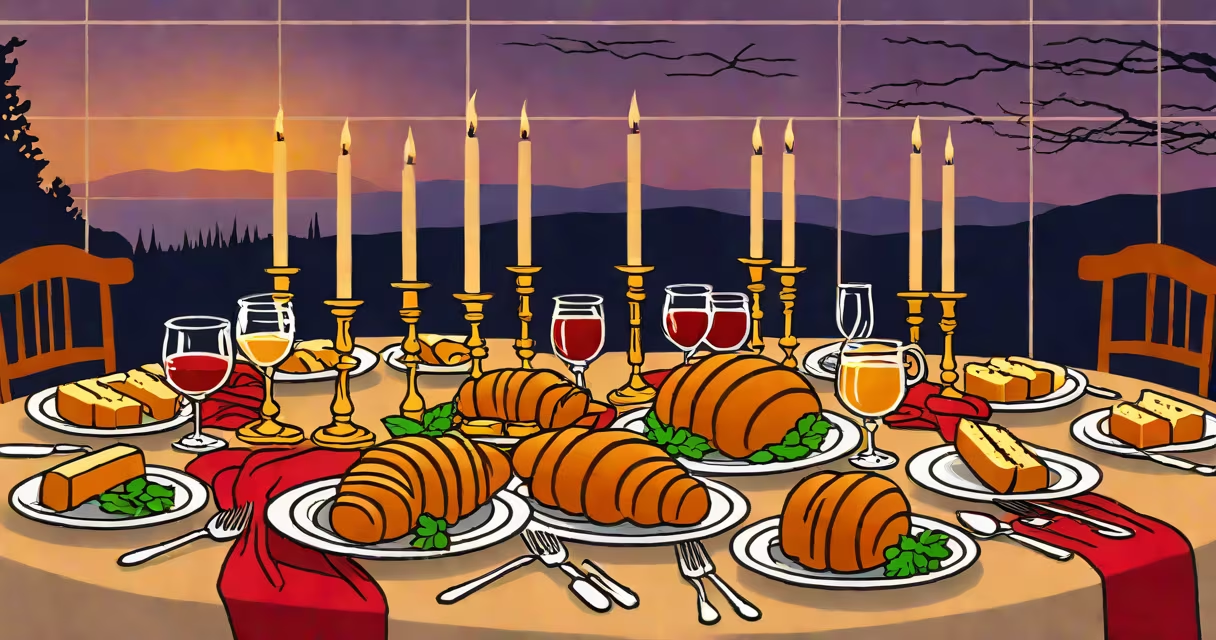
Keeping the sabbath involves intentional disengagement from regular routines. For Jews, this includes lighting candles before sunset on Friday, sharing a festive meal with family, attending synagogue services, and avoiding work-related tasks such as turning on lights or using phones. The day concludes with Havdalah, a ceremony marking the separation between the sacred and the ordinary.
In Christian communities, keeping the sabbath often centers on attending church, reading scripture, spending time with family, and refraining from commercial or recreational activities that conflict with spiritual reflection. Some groups, like Seventh-day Adventists, observe the sabbath from Friday sunset to Saturday sunset, aligning with the original Hebrew calendar.
A practical example: A Jewish family in Brooklyn lights two candles at 6:15 PM on Friday. They recite blessings over wine and challah bread, then spend the next 25 hours without checking email, answering calls, or using appliances. By Saturday night, they perform Havdalah, extinguishing the candle and returning to daily life with renewed focus.
Keeping the sabbath is structured around four core elements: cessation from labor, sacred space, ritual acts, and community. These components are consistent across faiths but differ in form.
| Element | Judaism | Christianity (mainstream) | Seventh-day Adventist |
|---|---|---|---|
| Day Observed | Saturday (from Friday sunset) | Sunday (from Saturday sunset) | Saturday (from Friday sunset) |
| Rest from Labor | No cooking, driving, or using electricity | No shopping, work, or entertainment | No work, travel, or screen use |
| Ritual Acts | Candles, wine, challah, prayers | Church service, Bible study, prayer | Family worship, hymns, meals |
| Community Focus | Family and synagogue gatherings | Church attendance and fellowship | Small group meetings and outreach |
These differences show how the same foundational idea-sacred rest-can manifest in distinct cultural expressions. The core remains unchanged: a weekly reset of personal and communal rhythms.
Keeping the sabbath persists in religious communities worldwide. According to Pew Research Center, 73% of American Jews observe some form of Shabbat, and 54% attend synagogue on Friday or Saturday. Among Christians, 41% report attending church on Sundays, with many citing sabbath-like rest as a spiritual priority.
Non-religious individuals also adopt sabbath principles. Digital minimalists, such as Cal Newport in *Digital Minimalism*, advocate for weekly tech-free days inspired by sabbath discipline. He notes that people who schedule one day a week without screens report improved focus and emotional stability.
A common misconception is that keeping the sabbath is purely about religious obligation. In reality, it functions as a psychological and social anchor. Studies from the University of Pennsylvania show that people who take regular rest days report lower stress levels and higher long-term productivity compared to those who work continuously.
"Keep the sabbath" is often misunderstood as a rigid legalistic rule. But in both Jewish and Christian theology, it's framed as a gift, not a burden. Deuteronomy 5:12-15 explains that the sabbath is a reminder of liberation from slavery in Egypt-freedom from oppression, not just freedom from work.
Another error is equating sabbath with weekend leisure. While weekends may include rest, the sabbath is not simply a day off. It's a deliberate, symbolic act of trust in divine provision. As Rabbi Jonathan Sacks wrote in *The Spirit of the Sabbath*, "The sabbath is not a pause in life. It is life's purpose."
There's also confusion between the Hebrew word *shabbat* and the English term "sabbath." *Shabbat* means "to cease" or "to rest," reflecting the root verb *shabat*. The English word "sabbath" derives from Greek *sabbaton*, which itself comes from Hebrew. This linguistic continuity shows the enduring significance of the concept across centuries.
I once attended a Shabbat dinner in a small synagogue in Portland. The host lit two candles, poured wine into a silver cup, and recited the blessing over food. No one touched their phones. Conversation flowed slowly, deliberately. After the meal, we sang traditional songs. The quiet wasn't empty-it was full of presence. That evening taught me that keeping the sabbath isn't about doing less. It's about being more.
"Keep the sabbath" differs from similar ideas like "rest in Christ" or "spiritual retreats." While all involve pause and renewal, the sabbath is cyclical and institutionalized. It returns every seven days, regardless of mood or circumstance. This consistency builds habit, resilience, and long-term well-being.
For example, someone who frequently sees the number 444 may interpret it as a sign of spiritual protection. While that belief is meaningful, it lacks the structural structure of sabbath observance. The sabbath is not a one-time message-it's a recurring practice grounded in history, law, and community.
Keeping the sabbath is not about perfection. It's about intention. Whether observed in a synagogue, a home kitchen, or a silent morning walk, it's a weekly invitation to step out of the rush and remember who you are-and whose you are.