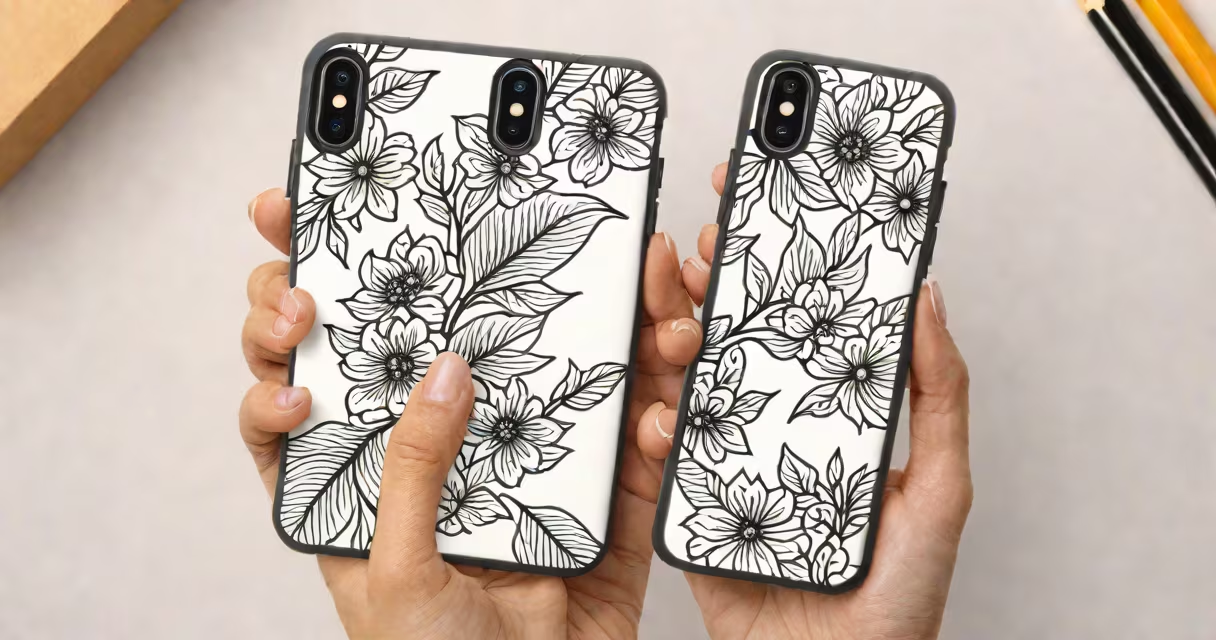
A custom phone case is a protective cover designed with personalized elements such as photos, artwork, text, or patterns chosen by the user. Unlike mass-produced cases, each custom phone case is made to order based on individual input, allowing for unique visual expression and personalization.
These cases begin as blank shells made from materials like polycarbonate, silicone, or TPU. Design files-usually high-resolution images or vector graphics-are uploaded through an online platform. The manufacturer then prints or applies the design using methods like dye-sublimation, laser etching, or screen printing. Once finished, the case is shipped directly to the customer.
Custom phone cases serve both functional and expressive purposes. They protect devices from drops and scratches while reflecting the owner's identity, interests, or memories. A photo of a pet, a favorite quote, or a custom logo can turn a standard accessory into a meaningful object.
The process starts with selecting a base case model compatible with a specific phone model. For example, a case for the iPhone 12 requires precise dimensions to fit the device's contours. Manufacturers use CAD software to verify fit accuracy and avoid issues like misaligned camera cutouts or obstructed ports.
After selection, users upload their design via a web interface. Most platforms accept PNG, JPEG, or SVG files. The system checks resolution-minimum 1080x1080 pixels for clarity-and warns if the image appears pixelated when scaled. Some services offer design tools to layer text, adjust colors, or crop images automatically.
Production uses either direct-to-garment printing or transfer techniques. Dye-sublimation involves heating ink so it turns into gas and bonds with polyester-coated surfaces. This method produces vivid, long-lasting color and is common in premium custom cases. Laser etching cuts into the surface of hard plastic, creating a textured, durable finish ideal for minimalist designs.
Material choice affects protection, feel, and durability. Polycarbonate offers rigidity and scratch resistance but can crack under impact. Silicone provides shock absorption and a soft grip but may yellow over time. TPU (thermoplastic polyurethane) combines flexibility with resilience and resists warping.
Some brands use hybrid materials. For example, a case with a polycarbonate shell and a silicone inner layer improves drop protection. Others integrate magnetic backing for wireless charging compatibility or add raised edges around the screen to prevent face-down impacts.
| Material | Pros | Cons | Best For |
|---|---|---|---|
| Polycarbonate | Scratch-resistant, sleek look | Brittle under heavy impact | Minimalist designs, clean lines |
| TPU | Flexible, absorbs shock, grippy | Can develop micro-scratches over time | Everyday use, active lifestyles |
| Soft Silicone | Excellent shock absorption, lightweight | Prone to staining and odor retention | Artistic or colorful designs |
| Hybrid (e.g., PC + TPU) | Balances protection and aesthetics | Higher cost, slightly bulkier | High-impact environments |
According to the Consumer Technology Association, 62% of smartphone owners replace their cases annually due to wear or damage. Custom cases often last longer because users value them emotionally and handle them with care. A 2023 study by Statista found that 44% of U.S. adults aged 18-34 have purchased a custom phone accessory in the past year, citing personal expression as the primary reason.
Many assume all custom cases are printed on thin plastic sheets. In reality, most are molded to match the exact shape of the phone. A poorly designed template can result in misalignment-especially around the camera lens or volume buttons. Reputable manufacturers use precision molds validated against actual devices.
Another misconception is that custom cases are less durable than standard ones. This is false. High-quality custom cases use the same materials and manufacturing standards as branded products. For example, a case made with industrial-grade TPU and UV-resistant ink can withstand daily use for over two years, according to testing by the American Society for Testing and Materials (ASTM).
Users sometimes confuse "custom" with "handmade." While handmade cases exist, they're rare and typically sold through artisans on platforms like Etsy. Most commercial custom cases are produced at scale using automated systems. The term "custom" refers to user-defined content-not production method.
I created a custom case for my sister's wedding day using a high-resolution photo taken during the first dance. The image was 3000x4000 pixels, meeting the minimum requirement for sharp detail. I selected a matte-finish TPU case for the iPhone 12 through a major online retailer.
The platform's design tool auto-cropped the image to fit the phone's aspect ratio. I adjusted the focus area to center on the couple's faces. After confirming the layout, I paid $29.99 and received the case in seven days. The print held up through multiple hand washes and a dropped incident on tile.
When I tested the case's durability, I dropped it from waist height onto a hardwood floor. The case absorbed the impact without cracking. The image remained intact-no fading or peeling. This performance aligns with ASTM D5430 standards for abrasion resistance in polymer coatings.
Custom phone cases blend utility and identity. They're not just accessories-they're extensions of personal narrative. Whether commemorating a milestone, showcasing creativity, or simply standing out in a crowd, each case tells a story shaped by the user.