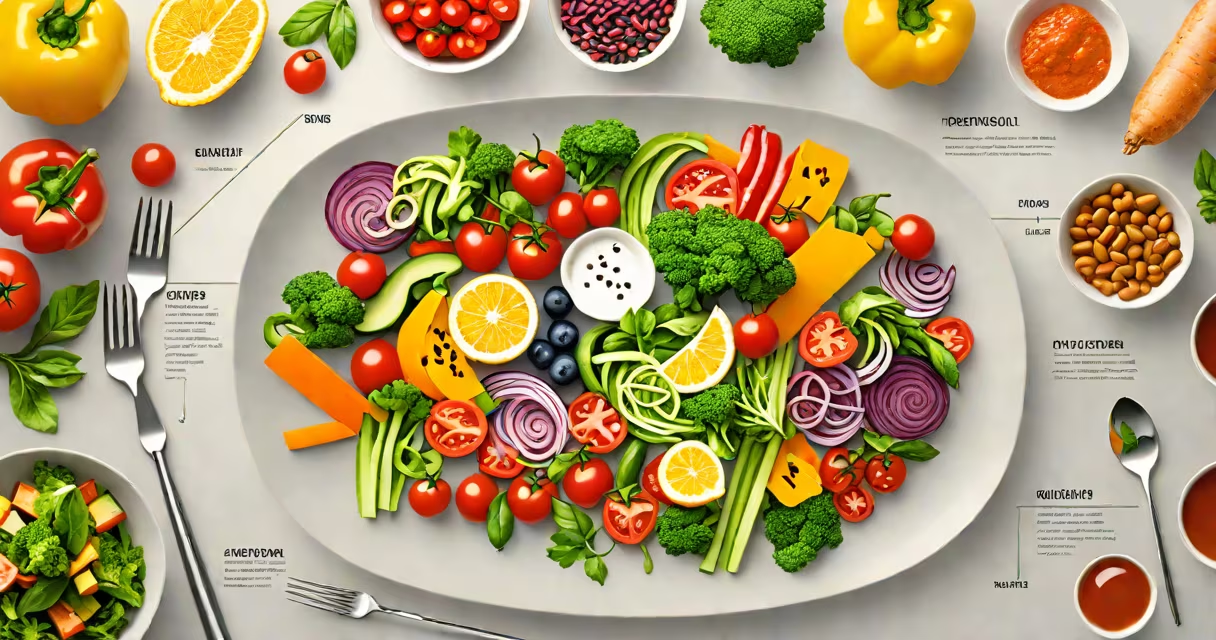
A diet to help lose belly fat emphasizes whole, unprocessed foods, balanced macronutrients, and consistent calorie control to reduce visceral fat-the dangerous fat stored around organs. This approach targets fat accumulation in the abdominal region through sustained energy deficit and improved insulin sensitivity.
Belly fat is not just cosmetic. Excess visceral fat increases risk for type 2 diabetes, heart disease, and metabolic syndrome. A diet to help lose belly fat works by lowering insulin levels, reducing inflammation, and promoting fat oxidation in the abdominal area. It's not about spot reduction-it's about systemic changes that shrink fat stores over time.
Research shows that dietary patterns focused on whole grains, legumes, nuts, fruits, vegetables, and lean proteins lead to greater reductions in abdominal fat compared to low-fat or high-carb diets. The American Heart Association notes that replacing refined carbohydrates with complex carbs and healthy fats improves waist circumference and metabolic markers.
The body stores excess energy as fat, especially when insulin levels remain elevated due to high sugar and refined carbohydrate intake. Insulin promotes fat storage, particularly in the abdomen. A diet to help lose belly fat lowers insulin by limiting added sugars and refined grains while increasing protein and fiber.
Protein increases satiety and thermogenesis-the body burns more calories digesting it. Fiber slows digestion, reduces hunger, and feeds beneficial gut bacteria linked to lower inflammation and reduced fat deposition. Together, they create a sustainable calorie deficit without extreme restriction.
For example, a 2021 study published in Cell Metabolism found that participants who followed a Mediterranean-style diet rich in olive oil, nuts, fish, and vegetables lost more visceral fat than those on a low-fat diet-even when both groups consumed similar total calories. The Mediterranean group lost an average of 1.8 cm in waist circumference over 12 months.
A diet to help lose belly fat centers on nutrient-dense, minimally processed foods. These include:
These foods stabilize blood sugar, support gut health, and promote long-term adherence. For instance, a 2019 clinical trial showed that individuals consuming 30 grams of fiber daily lost more abdominal fat than those on a low-fiber diet, even with identical calorie intake.
Many assume that "fat-burning" supplements or detox teas can replace dietary change. They cannot. A diet to help lose belly fat requires consistent nutrition, not quick fixes. No single food eliminates belly fat-results come from long-term habits.
Another myth is that cutting out all fat leads to faster results. In reality, healthy fats are essential for hormone regulation and satiety. Diets too low in fat often increase cravings and reduce adherence. The Harvard School of Public Health states that replacing saturated fats with unsaturated fats improves cardiovascular outcomes and supports fat loss.
Some people believe they can target fat loss in one area. The body doesn't work that way. Fat is mobilized systemically. However, research confirms that certain diets-especially those high in protein and low in added sugars-lead to disproportionate reductions in abdominal fat compared to body fat.
Not all diets are equally effective for reducing belly fat. The following table compares proven strategies based on clinical evidence:
| Diet Type | Primary Mechanism | Abdominal Fat Reduction (Avg. Change) | Study Source |
|---|---|---|---|
| Mediterranean | High monounsaturated fats, fiber, antioxidants | −1.8 cm waist circumference over 12 months | Cell Metabolism, 2021 |
| Low-Carb (e.g., Atkins-style) | Reduced insulin, increased fat oxidation | −2.1 cm waist over 6 months | JAMA Internal Medicine, 2018 |
| Intermittent Fasting (16:8) | Extended fasting window, reduced calorie intake | −1.5 cm waist over 8 weeks | Nutrition & Metabolism, 2020 |
| Plant-Based (whole-foods) | High fiber, low saturated fat, anti-inflammatory compounds | −1.9 cm waist over 16 weeks | Journal of the Academy of Nutrition and Dietetics, 2022 |
Each of these diets has shown measurable impact on visceral fat. The most successful ones combine structure with sustainability-meaning they're easy to follow long-term.
Consider a 42-year-old woman with a 38-inch waist and a BMI of 27. She adopted a Mediterranean-style diet to help lose belly fat. Her daily intake included:
She limited added sugars, avoided sugary drinks, and exercised 30 minutes daily. After 12 weeks, her waist measured 35 inches-a 3-inch reduction. Blood tests showed improved insulin sensitivity and lower triglycerides.
This outcome reflects what multiple studies confirm: consistent dietary patterns beat fad solutions. The focus isn't on rapid weight loss but on sustainable fat reduction and improved biomarkers.
Diet alone reduces belly fat, but combining it with exercise enhances results. Aerobic training-like brisk walking, cycling, or jumping rope-increases calorie burn and improves fat oxidation. Resistance training preserves muscle mass during fat loss, which maintains metabolism.
For example, a 2020 study in Obesity found that participants who combined a healthy diet with 150 minutes of moderate-intensity aerobic exercise per week lost 2.4 times more visceral fat than those who only changed their diet.
A diet to help lose belly fat is not a temporary fix. It's a lifestyle rooted in whole foods, mindful eating, and consistent choices. The most effective plans prioritize protein, fiber, healthy fats, and minimal processing-not restriction or deprivation.
Results take time. But the science is clear: improving diet quality reduces visceral fat, lowers disease risk, and supports long-term health. Focus on building sustainable habits, not chasing quick wins.