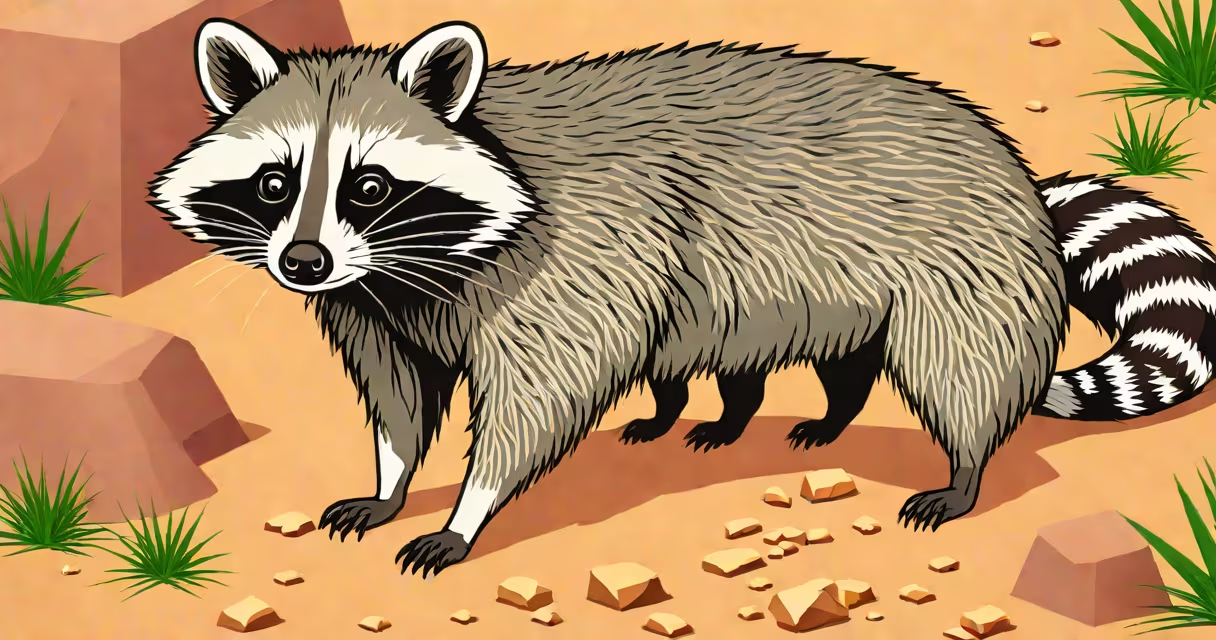
Different types of rabies refer to distinct viral strains that circulate in specific animal populations and cause disease through targeted transmission routes. These variants are genetically unique and geographically restricted, with most originating in wildlife reservoirs such as bats, raccoons, skunks, and foxes. Human cases remain extremely rare but occur when exposure happens through bites or scratches from infected animals.
Rabies is caused by the rabies virus, a member of the Lyssavirus genus within the Rhabdoviridae family. The virus attacks the central nervous system, leading to fatal encephalitis in untreated hosts. While the disease presentation is consistent across species, the genetic makeup of the virus varies between geographic regions and host species. This variation defines the different types of rabies recognized by public health agencies.
The World Health Organization (WHO) and the Centers for Disease Control and Prevention (CDC) classify rabies into distinct variants based on nucleotide sequencing of the virus's glycoprotein gene. These variants are named after their primary host species and region of origin. For example, the raccoon rabies variant is widespread in eastern North America, while the Arctic fox variant persists in northern Europe and Siberia. Each variant maintains a stable ecological niche and rarely crosses into other host species without adaptation.
Each rabies variant spreads through saliva during biting, typically when an infected animal defends itself or attacks prey. The virus enters the host through damaged skin or mucous membranes. Once inside, it travels along peripheral nerves toward the spinal cord and brain, using retrograde axonal transport. This process takes days to weeks, depending on the distance from the bite site to the central nervous system.
After reaching the brain, the virus replicates rapidly, causing inflammation and neuronal dysfunction. Symptoms include fever, confusion, agitation, hallucinations, paralysis, and death. The incubation period ranges from 1 to 3 months but can be as short as 1 week or as long as 1 year, depending on the location and severity of the exposure.
Crucially, different types of rabies do not respond uniformly to treatment. Post-exposure prophylaxis (PEP)-a series of vaccines and immune globulin administered after exposure-is effective if given promptly. However, once clinical symptoms appear, survival is nearly impossible. Only a few documented cases of recovery exist, usually involving experimental therapies like the Milwaukee protocol, which combines sedation and antiviral drugs.
There are five major recognized rabies virus variants globally, each associated with a dominant animal host and a specific region:
| Variants | Primary Host | Geographic Range | Transmission Risk to Humans |
|---|---|---|---|
| Raccoon rabies | Raccoon (Procyon lotor) | Eastern and Mid-Atlantic U.S., parts of Canada | Low, but increasing due to urban expansion |
| Skunk rabies | Striped skunk (Mephitis mephitis) | Western and Central U.S., Mexico | Moderate; common in rural areas |
| Bat-associated rabies | Various bat species (e.g., Myotis lucifugus) | Global, especially North America and Europe | High relative to prevalence; often undetected |
| Arctic fox rabies | Arctic fox (Vulpes lagopus) | Scandinavia, Russia, Alaska | Very low in humans; limited contact |
| Indian dog rabies | Dogs (Canis lupus familiaris) | South Asia, Sub-Saharan Africa | Extremely high; responsible for ~99% of human deaths worldwide |
Human rabies cases are overwhelmingly linked to dog bites in developing countries. According to WHO, over 59,000 human deaths annually occur due to dog-mediated rabies, primarily in India, Nigeria, and the Democratic Republic of the Congo. In contrast, human infections from wildlife variants are rare-fewer than 10 cases per year in the United States, mostly from bat exposures.
A lesser-known fact: bat rabies variants are genetically diverse. Some strains, like the silver-haired bat variant (Echolalus fuscus), have been found in multiple states across the U.S., yet they rarely cause human illness. This is because bats typically avoid human contact and bite only when handled or cornered. Still, the risk exists-especially in individuals who handle bats without protection.
Many assume all rabies is the same. That's incorrect. The virus's behavior, transmission patterns, and fatality rate are consistent, but the strain determines host specificity and geographic spread. A raccoon variant cannot sustain transmission in foxes without evolutionary changes, and vice versa.
Another misconception is that rabies can be transmitted through casual contact-like petting an infected animal or being near a sick one. The virus is not airborne and requires direct transfer of saliva via bite or scratch. It cannot survive in the environment for more than a few minutes outside a host.
Some people confuse rabies with other neurological diseases such as encephalitis from herpes simplex virus or Creutzfeldt-Jakob disease. While symptoms overlap-agitation, seizures, coma-the underlying causes differ. Rabies is infectious and preventable; others are not. Misdiagnosis delays treatment and increases mortality.
In 2016, a cluster of rabies cases emerged in Texas among individuals exposed to a single infected Mexican free-tailed bat (Tadarida brasiliensis). Genetic analysis confirmed the presence of the bat-associated rabies variant. Three people were bitten during a cave visit; all received PEP immediately. None developed symptoms.
One individual delayed treatment for three days. He later presented with fever, confusion, and muscle spasms. By the time he was diagnosed, the disease had progressed too far. He died within two weeks. This case highlights the narrow window for intervention and the danger of underestimating exposure risks-even from small, seemingly harmless animals.
Public health officials traced the outbreak to a maternity colony in a cave near San Antonio. The bat population carried the variant for years without affecting humans. But when visitors entered the area, exposure occurred. Since then, the site has been marked with warning signs, and guided tours now require pre-visit education on wildlife safety.
Knowing the type of rabies involved informs prevention strategies. In areas with high raccoon rabies prevalence, public health campaigns focus on securing trash and discouraging feeding wild animals. In regions with dog-mediated rabies, mass vaccination programs are essential. In the U.S., the CDC recommends post-exposure prophylaxis for any bite from a mammal not known to be vaccinated.
For travelers, awareness of local variants is important. In sub-Saharan Africa, where dog rabies is endemic, travelers are advised to avoid stray animals and seek immediate medical care after any bite. In contrast, in North America, bat encounters are the most frequent source of concern, especially during summer months when colonies are active.
When considering animal health, recognizing the difference between types helps control outbreaks. Wildlife surveillance programs track viral variants through testing dead animals. This data guides targeted interventions-such as oral rabies vaccine distribution in fox populations-reducing spillover risk.
Different types of rabies represent distinct viral lineages shaped by ecology, geography, and host biology. Their differences affect how we prevent, detect, and respond to outbreaks. Awareness of these distinctions ensures timely action-and, survival.