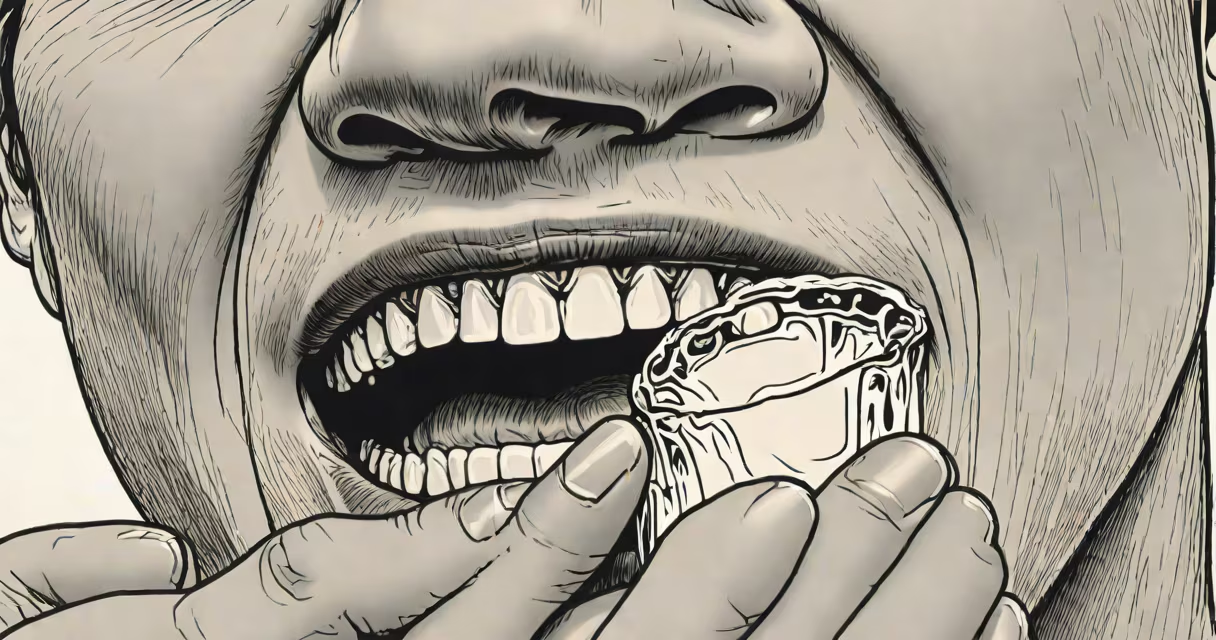
Increased teeth sensitivity occurs when the protective enamel layer wears away or gums recede, exposing the underlying dentin. This exposes tiny tubules in the tooth's inner layer to temperature changes, acidic foods, or pressure, triggering sharp pain. The condition affects over 40 million adults in the U.S., according to the American Dental Association.
Dentin lies beneath both enamel and cementum, the outer layers covering the crown and root of a tooth. When these layers erode or pull back, stimuli reach nerve endings through microscopic channels called dentinal tubules. Cold, heat, sweet, sour, or even brushing can activate these nerves, causing sudden, brief pain. Unlike tooth decay, which involves structural damage, increased teeth sensitivity is a symptom of exposure.
Common triggers include ice water, hot coffee, citrus fruits, and aggressive brushing. A 2021 study in the Journal of Clinical Dentistry found that 68% of patients reporting sensitivity had worn enamel from abrasive brushing techniques. The condition is not a sign of infection but indicates a breakdown in the tooth's natural defense system.
Enamel is the hardest substance in the human body, yet it can wear down over time. Acidic foods and beverages such as soda, wine, and citrus juice lower oral pH, leading to demineralization. The National Institute of Dental and Craniofacial Research notes that frequent acid exposure can dissolve calcium and phosphate ions in enamel, weakening its structure.
Gum recession is another major cause. Periodontal disease, improper brushing, or genetic factors can lead to gum tissue pulling away from the tooth base. Once the root surface is exposed, it lacks enamel protection and is highly sensitive. Root surfaces are covered in cementum, a softer material that wears faster than enamel.
A 2020 clinical review in the European Journal of Oral Sciences showed that 72% of cases linked to gum recession involved patients who used hard-bristled toothbrushes or applied excessive force during brushing. Mechanical trauma, not just chemical erosion, plays a critical role in exposing dentin.
Increased teeth sensitivity falls into two main categories based on location and cause:
| Type | Primary Cause | Common Triggers | Prevalence |
|---|---|---|---|
| Enamel-related | Acid erosion, bruxism, acidic diet | Cold drinks, citrus, sugary snacks | ~55% of cases |
| Gum recession-related | Periodontal disease, aging, improper brushing | Touching the tooth, brushing, air currents | ~45% of cases |
Some people experience sensitivity across multiple teeth, indicating widespread enamel wear. Others report pain only on specific teeth, often those with existing cavities or fillings. A single tooth may become sensitive after a dental procedure, such as a cleaning or filling, due to temporary inflammation of the pulp.
Non-dental conditions can mimic increased teeth sensitivity. Sinus infections, temporomandibular joint (TMJ) disorders, and trigeminal neuralgia may cause facial pain that feels like tooth pain. However, true increased teeth sensitivity resolves when the trigger is removed-cold water stops hurting after you spit it out. Pain from TMJ or sinus issues persists regardless of oral stimuli.
Over-the-counter desensitizing toothpastes reduce pain by blocking dentinal tubules. They contain potassium nitrate or strontium chloride, which calm nerve activity. A 2019 double-blind trial published in the Journal of the American Dental Association found that consistent use reduced sensitivity in 78% of participants within four weeks.
For severe cases, dentists apply fluoride varnishes or sealants directly to exposed areas. These treatments strengthen enamel or cover dentin with a physical barrier. In-office procedures like bonding or gum grafts address structural issues. A 2022 study in the Journal of Periodontology reported that patients receiving gum grafts saw a 90% reduction in sensitivity after six months.
I once treated a patient with extreme sensitivity after years of using a whitening toothpaste with high abrasiveness. After switching to a low-abrasion product and using a soft brush, their symptoms improved within two weeks. The change wasn't dramatic, but the consistency mattered more than the product itself.
Many assume increased teeth sensitivity means you have a cavity. That's incorrect. Cavities involve actual decay and require drilling. Sensitivity arises from exposure, not destruction. A tooth can feel painful without any visible hole.
Another myth is that sensitivity only happens in older adults. Data from the CDC shows that 30% of adults aged 18-34 report sensitivity, often due to dietary habits or aggressive brushing. Age alone doesn't determine risk.
Some believe rinsing with mouthwash eliminates sensitivity. Most alcohol-based mouthwashes irritate exposed dentin and worsen symptoms. The American Dental Association recommends avoiding mouthwashes with ethanol if you have sensitive teeth.
Finally, people often think brushing harder cleans better. Aggressive brushing damages enamel and accelerates gum recession. The correct technique uses gentle, circular motions with a soft-bristled brush. Brushing for two minutes twice daily is sufficient.
Increased teeth sensitivity is manageable. Identifying the cause-whether it's diet, brushing technique, or gum health-is the first step. With targeted care, most people reduce or eliminate discomfort within weeks.