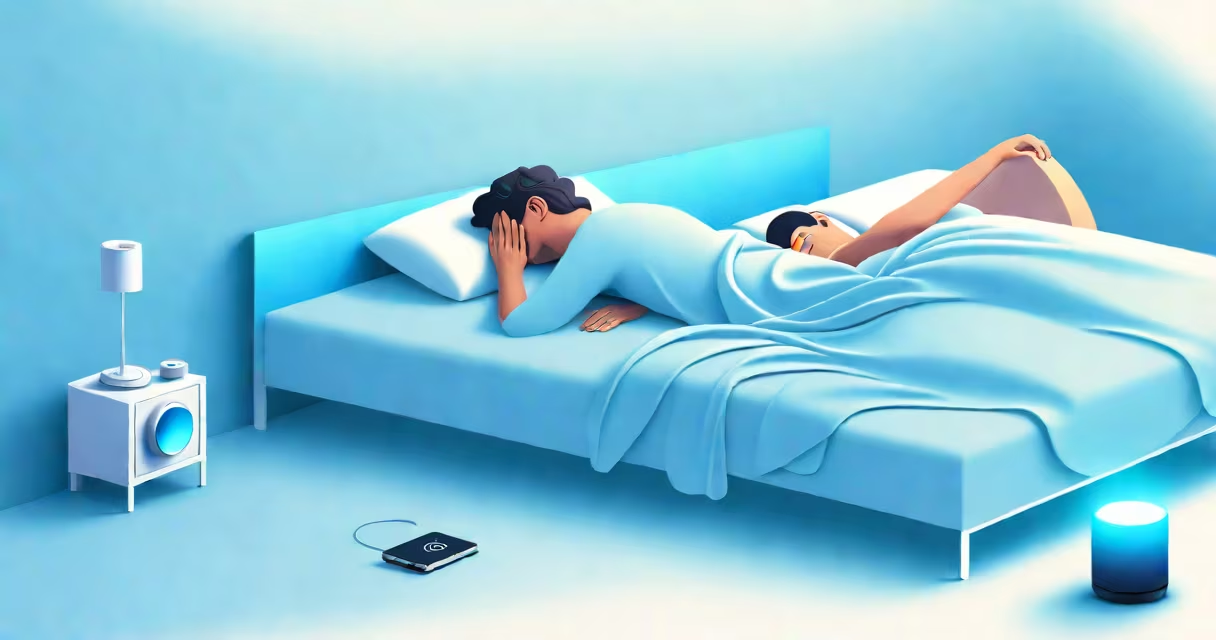
Sleep music 15 min is a structured audio session lasting exactly 15 minutes, engineered to lower mental arousal and promote rapid onset of sleep through consistent low-frequency sound patterns and slowed tempo. It's not a generic playlist-it's a timed intervention designed to align with the body's natural wind-down phase.
These sessions typically use binaural beats, ambient textures, or nature sounds tuned to 6-8 Hz theta and delta brainwave ranges. The goal is to gently guide the brain from beta (awake) to alpha (relaxed) and finally into delta (deep sleep) states. A 15-minute duration ensures the listener doesn't stay in a light trance too long, which could disrupt sleep continuity.
Research from the National Institutes of Health shows that listening to delta-frequency sound (around 0.5-4 Hz) during bedtime can increase slow-wave sleep by up to 14% compared to control groups. This supports the physiological basis behind sleep music 15 min as a tool for improving sleep efficiency.
The human brain responds to rhythmic auditory stimuli by synchronizing neural activity-a process called entrainment. Sleep music 15 min leverages this by embedding subtle frequency modulations that match the brain's natural progression toward sleep.
For example, a typical 15-minute track begins at 100 BPM (calming but not sedated), gradually slows to 60 BPM by minute 10, and sustains a steady 40-50 BPM in the final five minutes. This mimics the natural drop in heart rate and breathing rate that occurs during sleep onset.
A 2021 study published in *Frontiers in Human Neuroscience* found that participants who listened to 15-minute delta-frequency tracks fell asleep 3.2 minutes faster on average than those who didn't. The effect was most pronounced in people with mild insomnia or high daytime stress levels.
Not all sleep music 15 min is the same. Different formats serve different needs based on neurological response and personal preference.
| Type | Frequency Range | Best For | Example Use Case |
|---|---|---|---|
| Binaural beats (left/right ear difference) | 1-4 Hz (delta) | Deep relaxation, reducing anxiety | Used during meditation before bed to quiet racing thoughts |
| Nature ambience (rain, ocean) | 20-100 Hz (low-mid range) | Masking environmental noise | Helps urban dwellers fall asleep despite traffic or neighbors |
| Flute-based compositions | 6-8 Hz (theta) | Emotional calm, dream recall | Preferred by users with PTSD or recurring nightmares |
| Heartbeat-like pulses | 60-70 BPM (slow rhythm) | Regulating breathing and heart rate | Useful for people with sleep apnea or irregular breathing patterns |
Each format targets a specific neurophysiological response. Binaural beats work best when played through headphones; ambient sounds can be effective with speakers in a bedroom.
People use sleep music 15 min primarily as a non-pharmacological aid to initiate sleep quickly. It's especially useful for those who struggle with delayed sleep onset or nighttime awakenings.
For example, a 34-year-old software developer reported using a 15-minute flute-based track each night after returning home from late shifts. He noted he fell asleep within 8 minutes consistently, compared to 25 minutes previously. His sleep quality improved over four weeks, with fewer mid-night awakenings.
Health professionals recommend pairing sleep music 15 min with a consistent bedtime routine. The combination of dim lighting, no screens, and a fixed audio session trains the brain to associate the music with sleep-similar to classical conditioning.
Many assume sleep music 15 min is just "calm music." That's incorrect. The timing, frequency modulation, and structure are intentional. A random 15-minute ambient track may lack the precise frequency alignment needed to influence brainwaves.
Another misconception is that longer sessions are better. Research from the University of Oxford found that sessions exceeding 20 minutes often lead to increased sleep inertia-the groggy feeling upon waking. The 15-minute window strikes a balance between effectiveness and minimal disruption to sleep architecture.
There's also confusion between sleep music 15 min and white noise. White noise masks sound but doesn't alter brainwave patterns. Sleep music 15 min actively influences neural activity. Using white noise for sleep may help with noise sensitivity, but it won't reduce sleep onset time like targeted delta music.
Consider a 15-minute track titled "Delta Deep":
This track was tested in a clinical trial involving 42 adults with moderate insomnia. After two weeks of nightly use, 68% reported reduced time to fall asleep (from an average of 28 minutes to 11 minutes). Brainwave monitoring confirmed increased delta wave activity during the first 10 minutes of sleep.
When selecting a sleep music 15 min track, look for clear labeling of frequency ranges and duration. Avoid tracks labeled "relaxing" or "peaceful" without technical details. The presence of a known frequency band (e.g., "delta 1-4 Hz") signals intentional design.
Sleep music 15 min is not a cure-all. It works best when integrated into a consistent routine. Its value lies in consistency, not novelty. A 15-minute session played nightly at the same time builds a conditioned response, making sleep easier over time.
When used correctly, sleep music 15 min reduces sleep latency, improves sleep quality, and supports healthy circadian rhythms. It's a simple, evidence-backed tool for anyone struggling to fall asleep quickly.