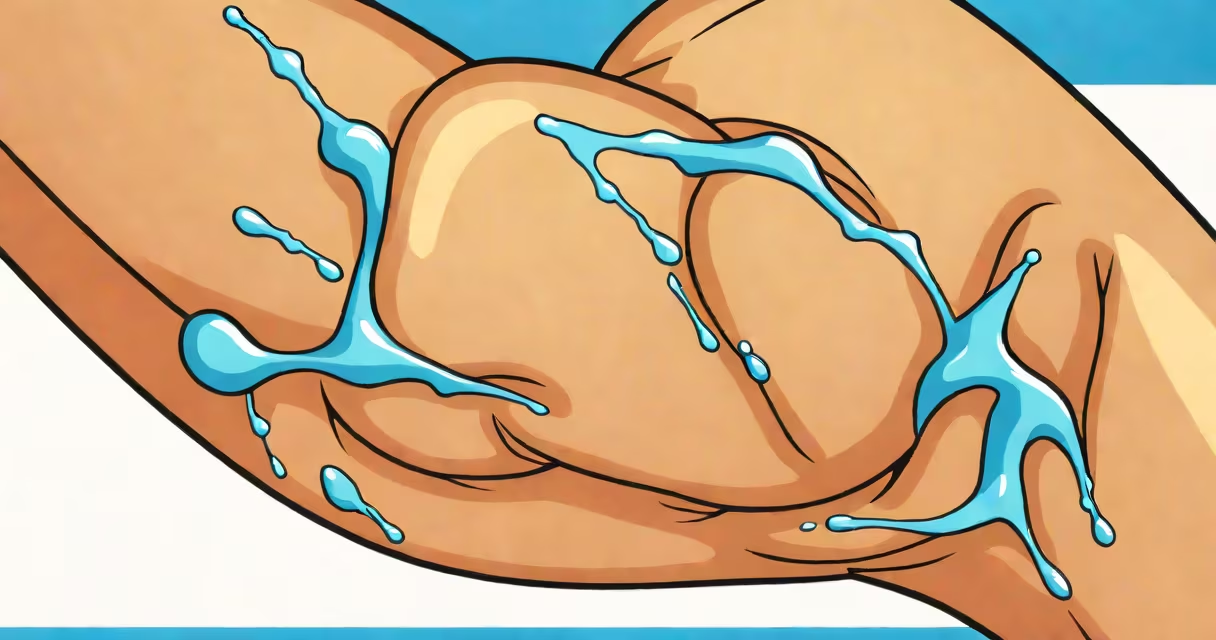
Water on the elbow, medically known as olecranon bursitis, occurs when excess fluid accumulates in the bursa-a small, fluid-filled sac that cushions the bony tip of the elbow. This condition leads to visible swelling, tenderness, and sometimes pain, especially when pressure is applied.
The bursa reduces friction between bones and soft tissues during movement. When inflamed or irritated, it produces extra fluid. This fluid buildup is what appears as "water" on the elbow. While often temporary, persistent or severe cases may require medical evaluation.
Common triggers include direct injury, prolonged pressure (like leaning on elbows), infection, or underlying conditions such as gout or rheumatoid arthritis. Not all swelling is the same-some cases involve clear fluid, others pus or blood, depending on the cause.
The olecranon bursa lies just beneath the skin over the bony prominence at the back of the elbow. Normally, it contains a small amount of lubricating fluid. When the bursa becomes inflamed-due to trauma, repetitive motion, or systemic disease-it secretes more fluid than usual, leading to swelling.
In acute cases, such as a fall onto the elbow, the bursa fills rapidly with blood or inflammatory fluid. In chronic cases, repeated minor trauma-like resting the elbow on a hard surface-can lead to gradual fluid buildup over weeks.
When infection enters the bursa, it results in septic bursitis. This type produces pus rather than clear fluid. Symptoms include redness, warmth, significant pain, and fever. According to the American Academy of Orthopaedic Surgeons (AAOS), septic bursitis requires prompt treatment to prevent tissue damage or spread of infection.
Fluid accumulation in the elbow falls into three main categories: traumatic, infectious, and non-infectious inflammatory. Each has distinct causes and clinical presentations.
| Type | Common Cause | Fluid Type | Key Signs |
|---|---|---|---|
| Traumatic | Fall, blunt impact, prolonged pressure | Blood or clear fluid | Sudden swelling, bruising, pain on touch |
| Infectious (Septic) | Bacteria entering through a cut or abrasion | Pus | Redness, warmth, fever, severe pain |
| Non-infectious Inflammatory | Gout, rheumatoid arthritis, lupus | Clear or cloudy fluid | Slow onset, bilateral involvement, joint stiffness |
Non-infectious bursitis is often linked to metabolic or autoimmune disorders. For example, patients with gout may develop urate crystal deposits in the bursa, triggering inflammation and fluid leakage. A 2021 study in *The Journal of Rheumatology* found that 15% of patients with chronic bursitis had underlying autoimmune markers.
One non-obvious distinction: fluid from gout-related bursitis often appears milky or cloudy under microscopic examination, while trauma-induced fluid is typically clear or tinged with blood. Misdiagnosis can delay proper treatment-especially when symptoms mimic a simple sprain.
Many people assume "water on the elbow" is simply a swollen bump caused by a minor bump. But swelling can stem from serious issues like infection or systemic disease. A single fall doesn't always explain persistent swelling.
Another misconception is that all fluid-filled swellings are the same. In reality, the color and consistency of fluid differ based on cause. Clear fluid suggests trauma or inflammation. Yellowish or cloudy fluid may indicate chronic irritation. Pus is a red flag for infection.
Some confuse this condition with cellulitis-an infection of the skin layers. Cellulitis presents with spreading redness, warmth, and fever but lacks the localized, rounded swelling seen in bursitis. Accurate diagnosis requires physical exam and sometimes fluid aspiration.
A 34-year-old office worker reported a sudden, painful lump on the back of his left elbow after leaning on a desk for 10 minutes during a long meeting. He noticed swelling within 12 hours. The area was tender but not warm or red.
On examination, the doctor confirmed a 3 cm round swelling over the olecranon process. No signs of infection were present. Ultrasound showed fluid accumulation in the bursa. The patient had no history of gout or autoimmune disease.
Diagnosis: acute traumatic bursitis. Treatment included rest, ice, compression, and NSAIDs. Swelling resolved in 7 days. No drainage was needed.
This case illustrates that not all elbow swelling requires intervention. Mild cases resolve with conservative care. However, failure to recognize early signs of infection can lead to complications.
Seek evaluation if swelling persists beyond 3-5 days, worsens, or is accompanied by redness, heat, pain, or fever. These signs suggest infection or a more serious underlying issue.
If you have a history of gout, rheumatoid arthritis, or frequent joint swelling, discuss this with your provider. Chronic bursitis may require imaging or fluid analysis to rule out systemic causes.
For those managing conditions like diabetes or immune suppression, even minor trauma can lead to rapid progression. Early care prevents complications like permanent joint stiffness or tissue damage.
Understanding the root cause helps avoid unnecessary treatments. For example, antibiotics are ineffective against non-infectious bursitis. Conversely, draining infected fluid is critical-delaying care increases risk of bone infection.
Water on the elbow is not a rare condition. It's a common presentation in primary care and orthopedic clinics. Most cases are mild and self-resolving. But accurate identification of the cause ensures appropriate management and avoids misdiagnosis.