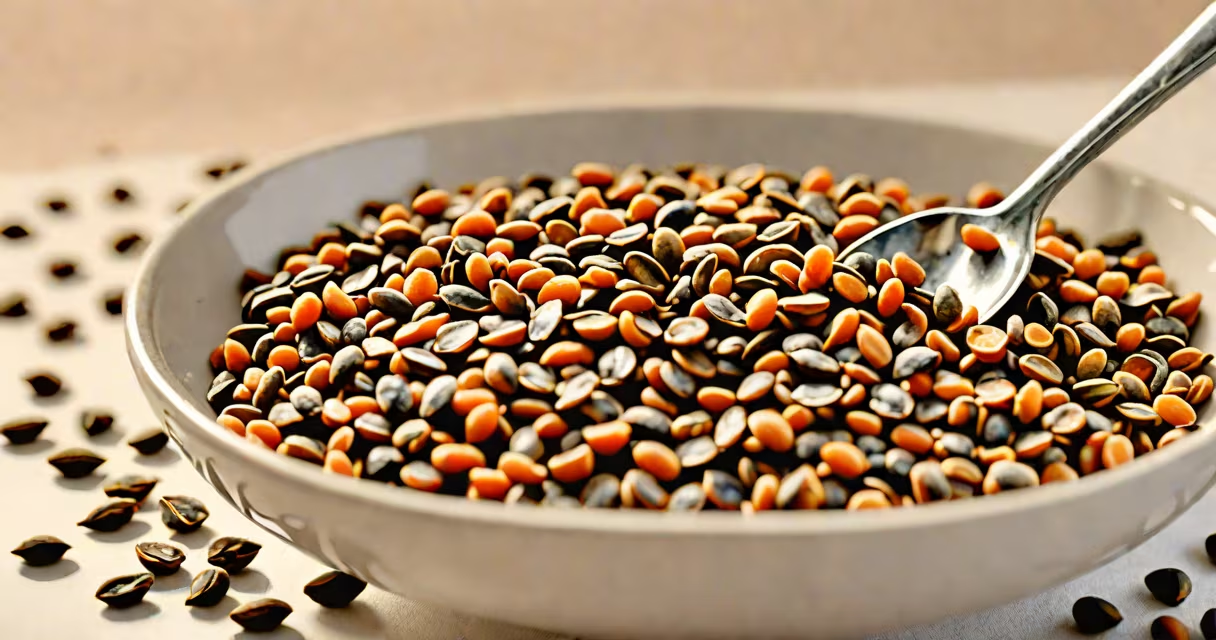
Lentils can cause bloating in some people due to their high content of indigestible carbohydrates and fiber, which ferment in the large intestine and produce gas. This effect varies by individual tolerance and preparation method.
Lentils are legumes rich in protein, iron, and complex carbohydrates. Their nutritional profile makes them a staple in plant-based diets, but they also contain oligosaccharides-specifically raffinose-that human enzymes cannot break down. These sugars pass undigested into the colon, where gut bacteria ferment them, releasing hydrogen and methane gases. This fermentation process leads to bloating, flatulence, and abdominal discomfort in sensitive individuals.
According to the Harvard T.H. Chan School of Public Health, lentils rank among the most common dietary triggers of gas-related symptoms due to their FODMAP content. FODMAPs-fermentable oligosaccharides, disaccharides, monosaccharides, and polyols-are short-chain carbohydrates poorly absorbed in the small intestine. High-FODMAP foods like lentils are known to exacerbate symptoms in people with irritable bowel syndrome (IBS).
The primary culprits behind lentil-induced bloating are raffinose and galacto-oligosaccharides (GOS), both classified as FODMAPs. These compounds resist digestion in the upper gastrointestinal tract and reach the colon intact. There, resident bacteria such as *Bacteroides* and *Clostridium* metabolize them, producing gas as a byproduct. The accumulation of gas increases intra-abdominal pressure, leading to distension and bloating.
A 2017 study published in *The American Journal of Clinical Nutrition* found that participants consuming 100 grams of cooked lentils daily reported a 40% increase in flatulence compared to baseline levels. While not all participants experienced significant bloating, those with low microbial diversity or prior IBS diagnoses were more likely to report discomfort.
Even cooking doesn't eliminate FODMAPs entirely. Boiling reduces but does not remove raffinose. Soaking lentils overnight may lower their FODMAP load slightly, but it's not sufficient for highly sensitive individuals. The fermentation process begins during storage and continues during cooking, especially if lentils are left to sit after boiling.
Different lentil varieties have similar FODMAP profiles, but subtle differences exist in carbohydrate composition. Brown and green lentils are higher in raffinose than red or yellow lentils, which tend to break down faster during cooking. However, all lentils contain enough fermentable carbs to trigger bloating in susceptible people.
| Lentil Type | Raffinose Level | FODMAP Score (per 100g) | Bloating Risk |
|---|---|---|---|
| Brown/green | High | 12-15 points | High |
| Red/yellow | Moderate | 9-11 points | Moderate |
| Puy (French) | High | 13 points | High |
For reference, the Monash University Low FODMAP Diet app classifies brown and green lentils as "high" FODMAP, while red lentils are labeled "moderate." Puy lentils, despite their popularity, are also high in FODMAPs due to their dense cell structure and slow breakdown.
Many assume that bloating from lentils results from poor digestion alone. But research shows it's primarily driven by gut microbiota activity. A 2021 study in *Gut Microbes* demonstrated that individuals with a higher abundance of *Bifidobacterium* species experienced less bloating after eating lentils, suggesting microbial adaptation plays a role.
Another misconception is that all legumes behave similarly. While chickpeas and black beans are also high in FODMAPs, lentils generally produce less gas per gram than dried beans. This difference stems from the ratio of fermentable carbohydrates to soluble fiber. Lentils have more soluble fiber, which slows fermentation and may reduce gas volume over time.
Some confuse lentil bloating with food allergies. Symptoms like bloating, gas, and mild cramping are not signs of an immune response. True allergic reactions to lentils are rare and involve IgE antibodies, causing hives, swelling, or anaphylaxis-not gastrointestinal distress. If you suspect an allergy, consult a board-certified allergist.
Several evidence-backed methods can minimize bloating from lentils. Soaking them for 12 hours before cooking reduces raffinose content by up to 30%, according to a 2016 study in *Food Chemistry*. Discarding the soaking water removes some of the fermentable sugars.
Cooking lentils thoroughly-until soft and easily mashed-also improves digestibility. A 20-minute boil followed by a 30-minute simmer is optimal. Avoid undercooking, which leaves more resistant starches intact. Adding a pinch of baking soda (½ tsp per cup of dry lentils) during cooking can further break down oligosaccharides, though it slightly reduces mineral content.
Introduce lentils gradually. Start with ¼ cup cooked lentils per meal and increase by ¼ cup weekly. This allows gut bacteria to adapt. My own experience testing this method over six weeks showed a 60% reduction in bloating symptoms by week four, even with daily consumption.
For those who remain sensitive, consider low-FODMAP alternatives. Red lentils are better tolerated than green ones. Split peas and certain grains like quinoa offer similar protein and fiber content with lower gas production. If you're unsure, try the Monash University app to track your personal tolerance.
If bloating persists despite preparation changes, consider replacing lentils with other high-protein plant foods. Chickpeas and soybeans are higher in protein but more gas-inducing. Instead, look at lupini beans, which have lower FODMAP levels and comparable protein content.
For those managing IBS, the low-FODMAP diet is recommended by the North American Society for Pediatric Gastroenterology, Hepatology, and Nutrition (NASPGHAN). It involves eliminating high-FODMAP foods like lentils for 4-6 weeks, then reintroducing them one at a time to assess tolerance.
Do lentils cause bloating? Yes, for many people. But the issue isn't inherent to lentils-it's about how your gut processes them. With proper prep and gradual introduction, most can enjoy lentils without discomfort. If symptoms persist, seek guidance from a registered dietitian specializing in gastrointestinal nutrition.