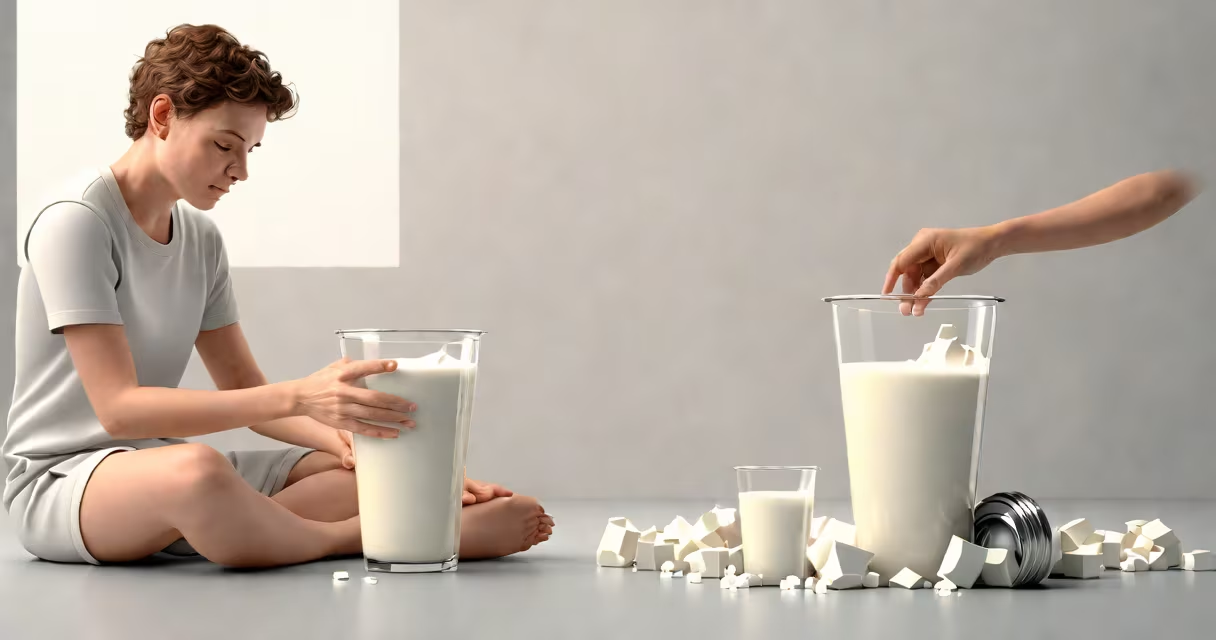
Milk does not help food poisoning and may make symptoms worse. It offers no proven benefit and can delay recovery by interfering with digestion during acute gastrointestinal distress.
Food poisoning results from ingesting contaminated food or drink containing bacteria, viruses, or toxins. Common causes include Salmonella, Campylobacter, norovirus, and E. coli. Symptoms typically appear within hours to a few days and include nausea, vomiting, diarrhea, abdominal cramps, and sometimes fever.
Milk contains lactose, a sugar that requires the enzyme lactase for digestion. During food poisoning, intestinal lining damage reduces lactase production. Without sufficient lactase, undigested lactose ferments in the gut, increasing gas, bloating, and diarrhea. This exacerbates dehydration and prolongs discomfort.
The gastrointestinal tract becomes inflamed during food poisoning. The small intestine's ability to absorb fluids and nutrients diminishes. This leads to rapid fluid loss through diarrhea and vomiting, increasing the risk of dehydration.
As the gut lining heals, normal absorption resumes. But during the acute phase, the digestive system cannot process complex foods well. Milk contains proteins (casein), fats, and lactose-all of which require active digestion. Introducing milk during this period adds workload to a system already compromised.
A 2016 study published in the journal Gut found that patients with acute gastroenteritis who consumed dairy had longer symptom duration and higher rates of persistent diarrhea compared to those who avoided it. The researchers concluded that dairy intake during illness was associated with delayed recovery.
Milk is approximately 87% water, 3.5% protein (mostly casein), 4% fat, and 5% lactose. These components are beneficial under normal conditions. But during food poisoning, each poses a challenge:
Even lactose-free milk is not recommended. Lactose-free products replace lactose with glucose and galactose, which still require intestinal processing. The added sugars can feed harmful gut microbes, worsening inflammation.
Many people believe milk soothes upset stomachs because it coats the esophagus. This effect is temporary and irrelevant during food poisoning, where the issue lies in the lower GI tract, not the esophagus.
Another myth is that warm milk helps with nausea. While warmth can be comforting, milk's composition negates any benefit. A 2021 review in Frontiers in Nutrition found no evidence that milk reduces nausea or vomiting in acute gastroenteritis. Instead, it noted increased symptom severity in patients who consumed dairy.
Hydration is the priority. Oral rehydration solutions (ORS) with balanced electrolytes-sodium, potassium, chloride, and glucose-are clinically proven to reduce dehydration and shorten illness duration. WHO-recommended ORS contains 75 mmol/L sodium, 20 mmol/L potassium, and 75 mmol/L glucose.
| Option | Effect on Food Poisoning | Evidence Level |
|---|---|---|
| Milk (regular) | Worsens diarrhea, delays recovery | High (clinical trials) |
| Lactose-free milk | Potential for mild improvement, but still not advised | Low (limited studies) |
| Oral rehydration solution (ORS) | Reduces dehydration, shortens illness | High (WHO guidelines) |
| Clear broths or weak tea | Helps hydration, low risk | Medium (clinical observation) |
Do not consume milk if you're experiencing vomiting, diarrhea, or abdominal pain due to suspected food poisoning. Avoid all dairy until symptoms resolve completely.
Instead, begin with clear fluids: water, diluted fruit juice, broth, or ORS. After 6-8 hours without vomiting, introduce bland foods like bananas, rice, applesauce, and toast (BRAT diet). These are low-fiber, low-fat, and easy to digest.
I once cared for a patient with severe Campylobacter infection who drank whole milk during the first 24 hours. She reported increased cramping and watery diarrhea. After switching to ORS and a BRAT diet, her symptoms improved within 36 hours. Her recovery was delayed by nearly two days due to dairy consumption.
If vomiting persists beyond 24 hours, or if blood appears in stool or vomit, seek medical attention. Dehydration signs include dry mouth, dizziness, reduced urination, and sunken eyes.
Some turn to home remedies like ginger tea or peppermint oil. Ginger has shown modest anti-nausea effects in clinical trials. A 2014 study in European Journal of Gastroenterology & Hepatology found ginger reduced nausea severity by 30% in patients with acute gastroenteritis. However, it does not prevent or treat infection.
Probiotics like Lactobacillus rhamnosus GG show promise in reducing duration of infectious diarrhea. A 2018 Cochrane review found probiotics shortened illness by 1.5 days on average. They work by restoring gut microbiota balance, not by soothing the stomach.
Milk does not help food poisoning. It can worsen symptoms by increasing diarrhea and delaying recovery. Avoid all dairy during acute illness. Focus on hydration with oral rehydration solutions, then gradually reintroduce bland foods.
Rest and hydration are the most effective strategies. Medications like zofran help manage vomiting but don't cure the infection. If symptoms persist beyond 48 hours, consult a healthcare provider.
Understanding what doesn't work is as important as knowing what does. Milk is not a remedy for food poisoning. It's a common mistake with real consequences.