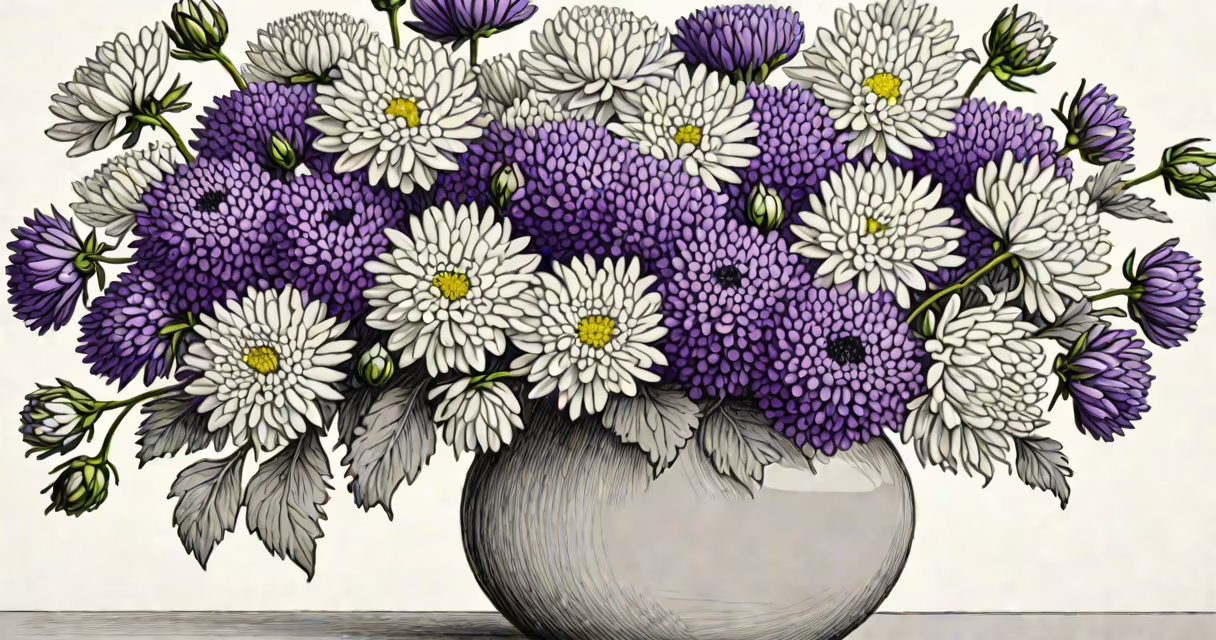
Flower meaning goodbye uses specific blooms to symbolize departure, loss, or emotional closure, often rooted in historical traditions like Victorian floriography. These flowers carry unspoken messages tied to color, species, and context.
Flowers have long served as silent messengers. In the 19th century, the Victorians codified floral meanings into a system called floriography, where each bloom conveyed a precise emotion. A bouquet of chrysanthemums, for example, signaled farewell-not just absence, but the quiet acknowledgment of ending. This practice persists today in funerals, farewells, and memorial gestures.
Modern interpretations still rely on tradition. White chrysanthemums represent respect and mourning in many cultures, especially in East Asia. In Japan, they're associated with death and rebirth, making them common at funerals. In Western contexts, they're used at send-offs and memorials. Gypsophila, or baby's breath, appears in arrangements meant to express gentle sorrow, often paired with lilies or roses to soften the weight of goodbye.
Flower meaning goodbye operates through symbolic associations shaped by culture, color, and botany. A single bloom can carry layered meanings depending on context. For example, a yellow chrysanthemum may suggest friendship, while a white one signals mourning or farewell. The arrangement matters too-solitary blooms imply finality, while mixed bouquets suggest complex emotions.
Color plays a central role. Black or dark purple flowers are rare in formal goodbye arrangements due to their association with grief and endings. Instead, whites, creams, and pale purples dominate. These hues reflect neutrality and peace, allowing space for reflection rather than raw emotion. Red roses, though symbols of love, are avoided in farewell contexts because their intensity clashes with the quiet dignity expected in goodbyes.
Botanical traits also influence meaning. Flowers with delicate petals or drooping stems-like gypsophila or certain orchids-are seen as fragile, evoking transience. Their visual fragility mirrors the emotional fragility of parting. In contrast, hardy blooms like sunflowers or daisies are rarely used for goodbye, as their boldness suggests resilience, not surrender.
The following table outlines common flowers linked to farewell, their origins, and symbolic weight.
| Flower | Color(s) | Origin & Meaning | Use Case |
|---|---|---|---|
| Chrysanthemum | White, cream, pale pink | Japan: death and rebirth; Europe: mourning. Used in Victorian floriography as a sign of farewell. | Funerals, memorial services, end-of-life tributes. |
| Gypsophila (baby's breath) | White, soft pink | Native to Mediterranean; symbolizes purity and enduring love. In floriography, it represents "eternal remembrance." | Wedding bouquets, funeral sprays, quiet farewells. |
| Lily (especially white or stargazer) | White, pink, orange | Christian tradition: resurrection; Greek myth: rebirth. In Victorian times, lilies meant "pure thoughts" and "soul restored." | Memorial services, hospital visits, final goodbyes. |
| Orchid (white or lavender) | White, lavender, pale green | Tropical origin; symbolizes refinement and strength. In Eastern traditions, orchids denote lasting beauty and endurance. | Long-distance farewells, retirement gifts, peaceful departures. |
These flowers are not chosen randomly. Their selection reflects cultural memory and emotional economy. A white chrysanthemum at a funeral isn't just decorative-it's a statement: "I acknowledge your passing and honor your process."
Many assume that all white flowers mean goodbye. That's incorrect. White roses, for example, symbolize innocence and new beginnings, not farewell. Using them in a send-off could miscommunicate hope instead of closure. Similarly, red carnations mean admiration, not parting. Misreading color and species leads to emotional mismatch.
Another error is equating flower meaning goodbye with modern social media rituals. While people now share floral photos on platforms like Instagram with captions like "goodbye to summer," these are personal expressions, not symbolic codes. They lack the shared grammar of historical floriography. A photo of a daisy doesn't carry the same weight as a Victorian letter with a pressed forget-me-not.
A lesser-known fact: some flowers were banned in Victorian-era condolences. The rosemary plant, though used in funerals, was considered inappropriate in public displays of mourning because it was believed to attract spirits. Its scent was thought to prolong grief. This shows how deeply symbolic systems influenced behavior-even restricting certain plants based on belief.
In 2022, a family in Portland, Oregon, arranged a memorial tribute for a retired teacher who had spent 35 years teaching biology. The arrangement included:
The florist, trained in both modern design and historical symbolism, confirmed that the choice avoided reds and yellows, which could imply celebration or warmth. The result was a composition focused on quiet dignity and closure. Attendees later reported feeling a sense of completion-not sadness, but resolution.
When I designed a similar arrangement for a friend's sister who passed during winter, I chose gypsophila and white chrysanthemums. The client asked why not roses. I explained that roses carry passion and love, not finality. The absence of red tones helped create a space for silence, not longing.
Flower meaning goodbye is not just about aesthetics. It's about communication-silent, poetic, culturally grounded. Choosing the right bloom honors the moment, respects the recipient, and acknowledges the emotional weight of leaving.