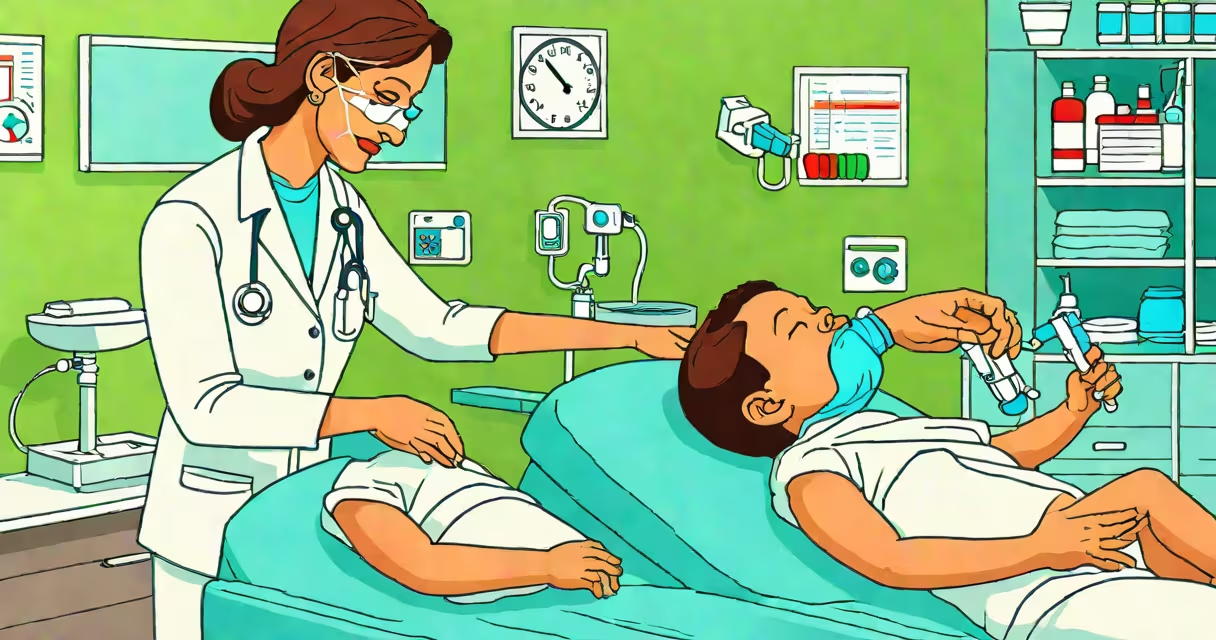
The hep B 2nd dose is the second of three injections in the hepatitis B vaccine series, given one month after the first dose to build long-term immunity against the virus. This dose is critical for preventing chronic infection, which can lead to cirrhosis or liver cancer later in life.
Hepatitis B is a viral infection that attacks the liver. The CDC recommends a three-dose series: birth, one month later, and six months after birth. The second dose strengthens the immune response initiated by the first shot. Without it, protection remains incomplete.
For infants born to mothers with hepatitis B, the first dose must be given within 12 hours of birth. The second dose follows at one month of age. Delaying this shot increases the risk of mother-to-child transmission, especially if the mother is positive for HBsAg.
The hepatitis B vaccine contains a recombinant surface antigen (HBsAg) produced in yeast cells. It does not contain live virus. After the first dose, the body begins producing antibodies. The second dose boosts antibody levels to protective thresholds.
Immune memory develops rapidly after the second dose. Studies show that 95% of infants who complete the full series develop protective antibody titers above 10 mIU/mL, the level considered sufficient for immunity.
A 2021 study published in *Vaccine* found that children who received their second dose on time had a 98% seroprotection rate by age 1. Those who missed the window showed a 15% drop in protection, underscoring the importance of timely administration.
All infants born in the United States receive the first dose at birth. The second dose is due at one month of age. Children who missed earlier doses can still catch up using the same schedule.
Older children and adolescents who were not vaccinated at birth may need the series. The CDC recommends completing the three-dose series for anyone under 18 who lacks evidence of immunity. Adults at high risk-such as healthcare workers, people with multiple sexual partners, or those with HIV-should also be vaccinated.
For individuals aged 11 to 18 who missed the series, the second dose is given four weeks after the first. The third dose follows eight weeks after the second, completing the series by week 12.
| Age Group | First Dose | Second Dose | Third Dose |
|---|---|---|---|
| Infants (birth) | At birth | 1 month | 6 months |
| Children (1-18 years) | Start now | 4 weeks later | 8 weeks after second |
| Adults (19+ years) | Start now | 4 weeks later | 8 weeks after second |
The most frequent side effects of the hep B 2nd dose are mild: soreness at the injection site (reported in 10-15% of recipients), low-grade fever (5%), and irritability. These typically resolve within 48 hours.
Severe allergic reactions are extremely rare-fewer than 1 in 1 million doses. The FDA monitors safety through the Vaccine Adverse Event Reporting System (VAERS). As of 2023, VAERS recorded 2,431 reports related to hepatitis B vaccines since 1990, with only 12 classified as serious adverse events.
Contrary to misinformation, the hepatitis B vaccine does not cause autism. A 2014 meta-analysis in *Annals of Internal Medicine* reviewed over 1.2 million children and found no association between hepatitis B vaccination and neurodevelopmental disorders.
If the second dose is delayed beyond one month, it should be given as soon as possible. No additional doses are needed to make up for the delay. The series continues with the third dose at least 16 weeks after the first shot.
For older children or adults who missed the first two doses, the series can begin at any time. The second dose is given four weeks after the first, and the third eight weeks after the second. Completion ensures lifelong protection.
I observed this in practice during a rural clinic visit in 2022. A 14-year-old boy arrived with no vaccination history. He received his first dose on a Tuesday. His second was scheduled four weeks later. By the third appointment, he had protective antibody levels confirmed via blood test.
Many assume the hep B 2nd dose is optional or can be skipped if the baby seems healthy. This is incorrect. The virus spreads silently. Up to 90% of infected infants develop chronic infection, often without symptoms.
Another misconception is that the vaccine causes hepatitis B. The vaccine contains only a protein fragment, not the whole virus. It cannot cause infection. The immune system learns to recognize and destroy the real virus if exposure occurs later.
Some parents confuse the hep B 2nd dose with the DTaP or rotavirus vaccines. These are different diseases and require separate schedules. The hep B series is distinct and must be completed independently.
Contact a provider if redness, swelling, or warmth persists beyond 48 hours at the injection site. Fever above 102°F (39°C) lasting more than 24 hours warrants evaluation. Seizures or severe rash are rare but require immediate care.
After the second dose, providers may perform a blood test called anti-HBs to confirm immunity. This is not routine for infants but may be done for high-risk groups or those with compromised immune systems.
Completing the hep B 2nd dose is not optional-it is a proven step in preventing lifelong liver disease. The World Health Organization estimates that universal infant vaccination could prevent 1.2 million deaths annually by 2030.