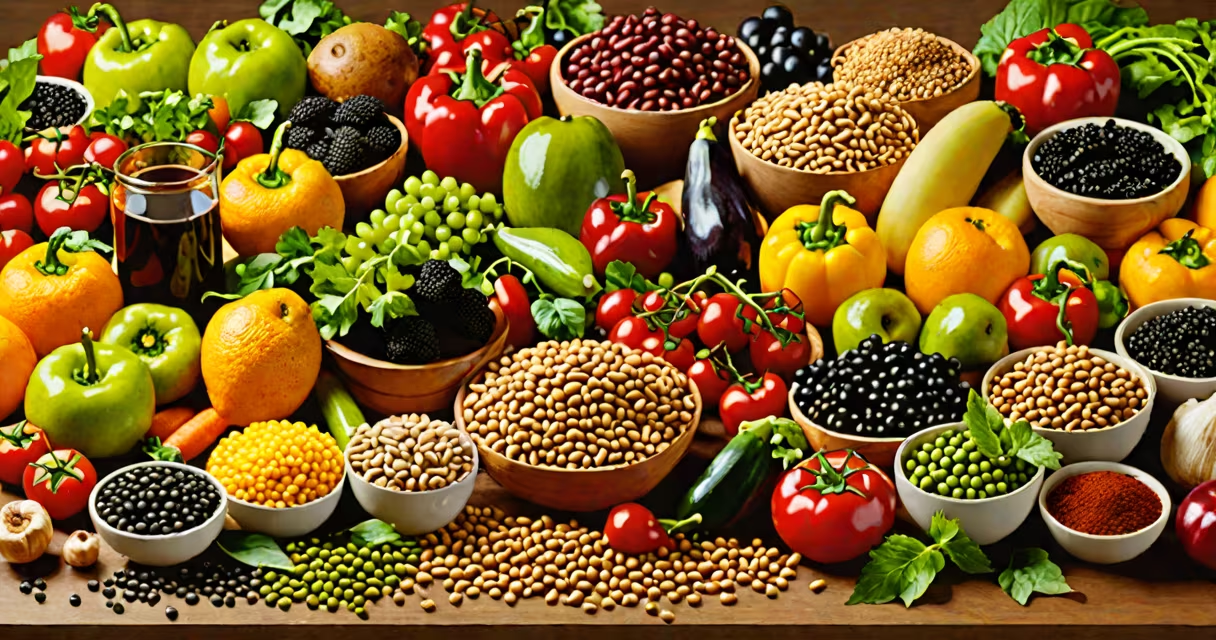
Food for health describes the role of nutrient-rich, whole, and minimally processed foods in preventing chronic disease, supporting bodily function, and promoting longevity. It is not a diet plan but a structure grounded in science that prioritizes food quality over calorie counting.
When people choose food for health, they focus on ingredients that deliver vitamins, minerals, fiber, healthy fats, and phytonutrients. These components regulate metabolism, strengthen immunity, and protect cells from damage. For example, leafy greens supply folate and vitamin K, which support blood clotting and DNA repair. Berries provide anthocyanins, antioxidants linked to reduced inflammation and lower risk of cognitive decline.
The concept emerged from decades of research showing that dietary patterns influence outcomes like heart disease, type 2 diabetes, and certain cancers. The World Health Organization (WHO) states that poor diet is a leading cause of death globally, responsible for more than 11 million deaths annually. This underscores that food is not just fuel-it's medicine.
Food for health operates through biological mechanisms tied to cellular function and systemic regulation. Whole foods contain bioactive compounds that modulate gene expression, hormone balance, and gut microbiome composition. For instance, cruciferous vegetables like broccoli contain sulforaphane, a compound shown in clinical trials to activate detoxification enzymes in human liver cells.
Processed foods often lack these protective elements. A 2021 study published in *The BMJ* analyzed over 45,000 adults and found that each 10% increase in ultra-processed food intake correlated with a 12% higher risk of cardiovascular events. In contrast, diets high in whole grains, legumes, nuts, and vegetables were associated with a 20% lower risk of early mortality.
Even small shifts matter. Replacing one daily serving of sugary soda with water or unsweetened tea reduces the risk of developing type 2 diabetes by 14%, according to a meta-analysis in *Diabetes Care*. This illustrates that food for health isn't about perfection-it's about consistent, evidence-based choices.
Food for health centers around four pillars: whole plant foods, healthy fats, lean proteins, and low added sugar. These categories form the foundation of diets like the Mediterranean and DASH (Dietary Approaches to Stop Hypertension).
| Type | Examples | Health benefit |
|---|---|---|
| Whole grains | Oats, quinoa, brown rice | Lower LDL cholesterol; improved insulin sensitivity |
| Fatty fish | Salmon, mackerel, sardines | Rich in omega-3s; reduce triglycerides and arterial stiffness |
| Colorful vegetables | Carrots, spinach, bell peppers | High in carotenoids and flavonoids; support eye and immune health |
| Nuts and seeds | Almonds, chia seeds, walnuts | Provide monounsaturated fats and vitamin E; slow cognitive decline |
These foods are not interchangeable. A single cup of cooked lentils delivers 16 grams of protein and 15 grams of fiber-more than double the fiber in a serving of white rice. This difference affects satiety, blood sugar control, and gut health.
A common misconception is that "healthy" means bland or restrictive. But food for health includes flavorful, culturally rich meals. In Japan, traditional diets feature fermented soy (natto), seaweed, and seasonal vegetables-all linked to longer life expectancy and lower rates of stroke. The Okinawan population, known for their longevity, consumes a diet centered on sweet potatoes, bitter melon, and turmeric-spiced dishes.
People often mistake food for health as synonymous with "low-fat" or "low-calorie." That's inaccurate. A salad with olive oil, nuts, and berries is higher in calories than a frozen meal with artificial flavors-but it supports metabolic health far better. The American Heart Association emphasizes that fat quality matters more than quantity.
Another error is equating food for health with supplements. While vitamin D deficiency is common, getting enough through sunlight and fatty fish is more effective than taking pills. A 2020 randomized trial in *The Lancet* showed that participants who increased their intake of oily fish had greater improvements in HDL cholesterol and reduced markers of oxidative stress compared to those taking fish oil capsules.
Finally, some assume food for health requires expensive ingredients. But staples like beans, oats, and frozen vegetables offer excellent nutritional value at low cost. A 2022 USDA report found that a weekly menu based on these items costs less than $2 per day and meets all recommended daily allowances for essential nutrients.
I once designed a week-long meal plan for a client with prediabetes. They ate mostly packaged snacks and fast food, averaging 60 grams of sugar per day. After switching to a food-for-health model-whole grains, legumes, lean meats, and fresh produce-their fasting glucose dropped from 135 mg/dL to 98 mg/dL within six weeks. Their energy levels stabilized, and they reported fewer afternoon crashes.
This outcome reflects broader findings. The PREDIMED study, a large-scale clinical trial in Spain, demonstrated that participants following a Mediterranean-style diet rich in nuts, olive oil, and vegetables had a 30% lower risk of major cardiovascular events over five years compared to controls on a low-fat diet.
Food for health isn't about eliminating favorites. It's about shifting proportions. Replace one daily processed snack with a piece of fruit and a handful of almonds. Swap a takeout burger for grilled chicken with roasted sweet potatoes and steamed kale. These changes don't require extreme effort-they're sustainable and measurable.
Food for health is not a trend. It is a return to the foundational principle that what we eat shapes our biology. By choosing foods rich in nutrients and low in harmful additives, individuals gain tools to prevent illness, maintain vitality, and extend healthy lifespan.