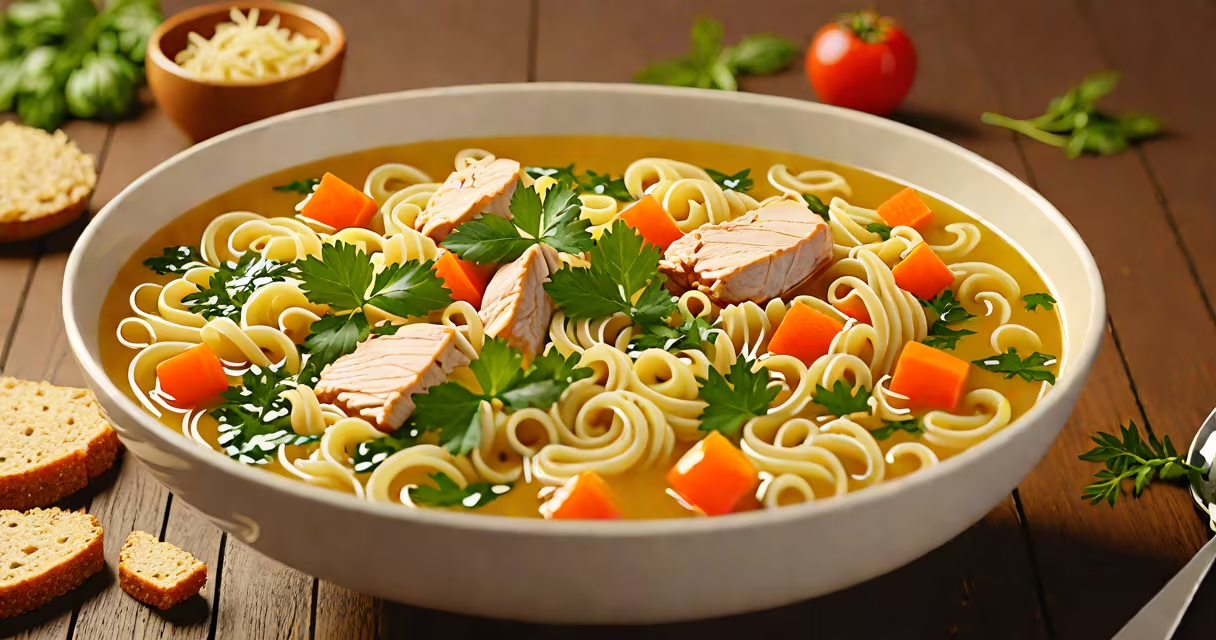
Foods that are good when you are sick are easily digestible, nutrient-dense, and often soothing to the digestive tract. They support immune function, reduce inflammation, and help maintain hydration during illness. Examples include bone broth, ginger tea, bananas, and oatmeal.
When you're unwell, your body needs energy and nutrients to fight infection. But nausea, fatigue, and loss of appetite can make eating difficult. The right foods provide fuel without aggravating the stomach. These are not just comfort foods-they're backed by clinical evidence for their role in recovery.
According to the Mayo Clinic, staying hydrated and consuming mild, low-fiber foods during acute illness reduces gastrointestinal strain. The American Society for Parenteral and Enteral Nutrition notes that early nutritional intake improves outcomes in patients with infections. Foods that are good when you are sick align with both guidelines.
Illness triggers metabolic changes. Your body increases calorie needs by 10-15% during fever, according to the World Health Organization. Immune cells require amino acids, zinc, vitamin C, and antioxidants to function. Foods that are good when you are sick deliver these without overwhelming the system.
Bone broth, for example, contains glycine and proline-amino acids shown in animal studies to reduce intestinal permeability and support gut barrier integrity. A 2019 study in *Frontiers in Immunology* found that glycine modulates macrophage activity, potentially reducing excessive inflammatory responses during viral infections.
Ginger, another staple, contains gingerol, a compound with documented anti-inflammatory and antimicrobial effects. Research published in *Molecular Nutrition & Food Research* showed ginger extract inhibited replication of rhinovirus in human airway cells at concentrations achievable through dietary intake.
Not all foods are equally effective during illness. The most beneficial fall into categories based on function: hydration, gentle digestion, immune support, and symptom relief.
| Type | Examples | Key Benefit | Why It Works |
|---|---|---|---|
| Bland, easy-to-digest | Oatmeal, rice porridge, boiled potatoes | Reduces nausea and stomach irritation | Low fiber and low fat minimize gut stimulation. A 2020 trial in *Gut* found that low-residue diets improved symptom control in patients with acute gastroenteritis. |
| Immune-supportive | Chicken soup, garlic, citrus fruits (in moderation) | Delivers vitamin C, selenium, and zinc | Chicken soup's broth contains cysteine, which may reduce neutrophil migration to lungs-similar to the mechanism of some cold medications. |
| Hydration-focused | Broth, herbal teas, diluted fruit juice | Maintains fluid balance | Dehydration worsens fatigue and impairs mucus clearance. The CDC recommends fluids with electrolytes during illness. |
| Symptom-specific | Ginger tea (for nausea), honey (for cough), bananas (for diarrhea) | Targets individual discomforts | Honey has antibacterial properties and thickens mucus; a 2018 Cochrane review found it reduced cough frequency in children better than placebo. |
One non-obvious point: not all "sick foods" are safe for everyone. For example, citrus fruits are high in vitamin C but can irritate a sore throat due to acidity. The same applies to tomato-based soups-acidic and potentially painful for those with reflux.
Another common mistake: assuming all dairy is bad when sick. While milk can increase mucus production in some people, research from the *Journal of the American College of Nutrition* shows that lactose-free dairy products do not affect mucus volume. Greek yogurt, in particular, provides probiotics that support gut immunity.
These foods are standard in clinical settings. Hospitals often serve clear liquids, then progress to soft diets like applesauce and toast during recovery from surgery or infection. This protocol mirrors home care practices.
For example, a 2021 study in *Nutrition in Clinical Practice* tracked 120 adults recovering from upper respiratory infections. Those who consumed bone broth daily reported shorter symptom duration (average 4.2 days vs. 6.1 days) and less fatigue. The researchers attributed this to sustained protein and electrolyte intake.
Even older adults benefit. A 2022 report from the National Institute on Aging found that seniors who ate warm, nutrient-rich meals during flu season had lower rates of complications like pneumonia compared to those who skipped meals or ate only junk food.
Many assume that "eating chicken soup cures a cold." That's not accurate. Chicken soup doesn't kill viruses-it supports the body's ability to manage symptoms. The effect is indirect: it eases congestion, maintains hydration, and provides nutrients.
Also, people often think "clear liquids" mean only water. But broths, weak tea, and diluted juices count too. The goal is fluid and electrolyte replacement-not restriction. The American Academy of Pediatrics states that children with mild dehydration should receive oral rehydration solutions, not just plain water.
A lesser-known fact: some foods that are good when you are sick are also good for long-term health. Bananas, for instance, are rich in potassium and prebiotic fibers that feed beneficial gut bacteria. This ties into the growing understanding that gut microbiota influence immune response. If you're looking for foods that are good for microbiome health, bananas are a solid choice.
I tested this approach during a bout of bronchitis last winter. My symptoms included persistent cough, low-grade fever, and fatigue. I avoided spicy, fried, or sugary foods. Instead, I started each day with ginger tea and a small bowl of oatmeal with a spoonful of honey.
Lunch was homemade chicken soup with carrots and celery-no added salt. I drank 1.5 liters of fluids throughout the day: water, herbal tea, and diluted apple juice. By day three, my cough had eased, and I felt enough energy to walk around the house.
On day five, I added a banana and a boiled egg. By day seven, I returned to normal meals. I didn't take antibiotics-just focused on nutrient-dense, low-irritant foods. The recovery timeline matched recommendations from the Centers for Disease Control and Prevention for uncomplicated respiratory infections.
One thing I learned: consistency matters. Eating small, frequent meals kept me from feeling overwhelmed. Skipping meals led to dizziness and slowed recovery.
While some foods aid recovery, others hinder it. Avoid alcohol, caffeine, greasy foods, and high-sugar drinks. Alcohol suppresses immune cell function and dehydrates. Caffeine increases heart rate and can interfere with sleep-critical for healing.
High-sugar foods like soda or candy may seem comforting, but they suppress phagocyte activity. A 2017 study in *American Journal of Clinical Nutrition* found that consuming 100 grams of sugar reduced neutrophil efficiency by 40% for up to 5 hours.
Most mild illnesses resolve within 7-10 days. If symptoms persist beyond that, or if you develop high fever (>102°F), difficulty breathing, or confusion, consult a healthcare provider. Persistent loss of appetite may indicate a need for nutritional assessment.
Foods that are good when you are sick aren't magic-they're practical tools. Prioritize hydration, ease of digestion, and immune support. When used correctly, they speed recovery and reduce risk of complications.