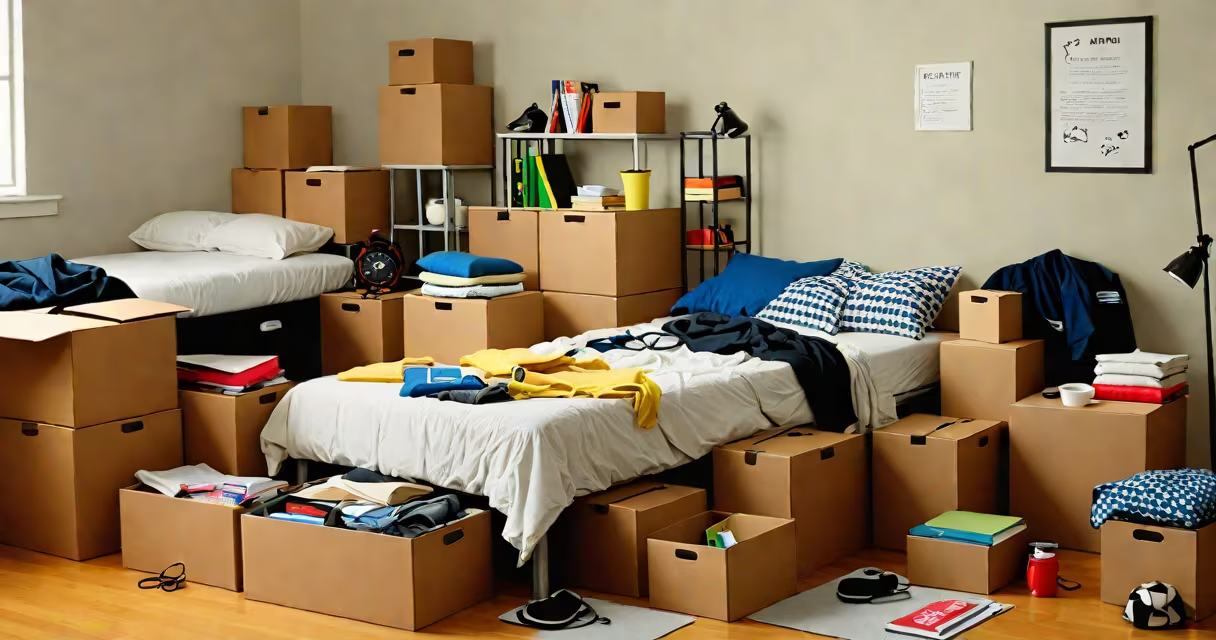
A freshman dorm packing list is a curated set of personal and household items needed to live comfortably in a college residence hall during the first year. It typically includes bedding, toiletries, storage solutions, clothing, electronics, and basic kitchen tools. Most universities provide a sample list, but individual needs vary by climate, housing type, and personal habits.
Dorm rooms are small-typically 10x12 feet-and have limited space. Students often underestimate how quickly clutter accumulates. A well-planned list avoids overpacking while ensuring access to daily necessities. The average student brings 40-60 items, but only 30% of those are used regularly after the first month, according to a 2023 survey by the National Association of Student Personnel Administrators (NASPA).
Many students buy duplicates of items they already own at home. A study from the University of Michigan found that 42% of freshmen brought extra chargers, socks, and underwear-items they could have packed from home. The most effective strategy is to pack only what's missing from a standard dorm setup.
Every dorm packing list centers on four areas: sleep, hygiene, organization, and food. These categories form the foundation of daily life in a shared or private dormitory.
Bedding includes a twin-size mattress pad (if not provided), fitted sheet, flat sheet, blanket or comforter, pillow, and pillowcase. Most schools supply a mattress, but not linens. A 2022 report from the American College Health Association (ACHA) noted that 68% of students who brought their own sheets reported better sleep quality than those using university-provided ones.
Toiletries cover toothbrush, toothpaste, deodorant, soap, shampoo, conditioner, and a razor. Many students forget travel-sized versions. A single 3-ounce bottle of shampoo lasts 14 days for average use. Bring a reusable travel kit to avoid buying full-size products at inflated dorm prices.
Storage is critical. A 2021 campus audit at Boston College showed that 76% of freshmen used under-bed bins, and 54% had a closet organizer. A 12-inch cube shelf fits behind a door and holds 15-20 small items. Use clear bins to track contents and reduce time spent searching.
Students often assume dorms provide everything. They don't. While most schools offer a mattress, desk lamp, and basic furniture, they rarely supply towels, shower shoes, or cleaning supplies. A 2023 NASPA report found that 39% of freshmen had to buy a towel within the first week because none were included.
Another misconception is that electronics are interchangeable. A laptop charger may not fit a tablet. A USB-C cable won't work with older devices. Always verify port compatibility. One student at the University of Texas brought a 2017 MacBook with a MagSafe charger-only to discover the dorm outlets lacked MagSafe support. He ended up using a third-party adapter, which overheated and failed after two weeks.
Some students overpack for weather. A student from Florida moved to Minnesota and brought only summer clothes. The campus climate control system struggled to maintain 68°F in November. She later bought a thermal jacket and blanket through the campus thrift store for $12. Avoid seasonal assumptions-check local weather averages before packing.
Not every item needs to be purchased. Many dorms have student-run swap events. At the University of Washington, a "Back-to-School Swap" event distributed 1,200 free items in 2023, including microwaves, extension cords, and laundry baskets. Attend early to secure high-demand goods.
Use multi-use items. A 12-ounce spray bottle can hold dish soap, laundry detergent, or window cleaner. Label each with a permanent marker. A single 12-inch mirror doubles as a vanity and a safety check for outfit coordination. A foldable laundry basket fits in a closet and collapses into 3 inches when empty.
Bring fewer clothes than expected. The average student wears 3-4 outfits per week. Wash every 3-5 days. A 2022 study in the Journal of Consumer Research found that students who packed only 7 shirts and 5 pants reported higher satisfaction with their dorm life than those with 20+ items. Less clutter means less stress.
| Category | Essential Items | Optional but Useful |
|---|---|---|
| Bedding | Twin mattress pad, fitted sheet, flat sheet, blanket, pillow, pillowcase | Weighted blanket, duvet cover |
| Toiletries | Toothbrush, toothpaste, deodorant, soap, shampoo, razor | Electric toothbrush, facial cleanser, moisturizer |
| Storage | Under-bed bin, closet organizer, drawer dividers | Over-door shoe rack, wall-mounted shelves |
| Kitchen | Plates, bowls, utensils, mug, small knife, cutting board | Mini fridge, microwave, coffee maker |
| Electronics | Laptop, charger, phone charger, power strip | Headphones, desk lamp, monitor stand |
One student at Duke University created a custom checklist using a spreadsheet. He color-coded items by priority: red for "must-have," yellow for "nice-to-have," and green for "can wait." He reduced his packing volume by 37% and avoided last-minute trips to campus stores.
Consider a student moving from Arizona to Amherst, Massachusetts. The average winter temperature is 22°F. The student's initial list included: 2 pairs of jeans, 5 t-shirts, 1 hoodie, 1 pair of sneakers, and 1 coat.
After consulting the campus housing office, he added: thermal underwear, insulated boots, a wool hat, gloves, and a heavy-duty winter coat. He skipped bringing a heater-dorms have central heating-but added a small space heater for backup. He also packed a portable hand warmer (battery-powered, lasts 8 hours).
He left behind: beach sandals, swimwear, and a sun hat. The final list totaled 32 items. He stored unused clothes in a vacuum-sealed bag under the bed. By the end of the semester, he had only worn 18 of the 32 items. The rest stayed in storage.
A freshman dorm packing list is not about filling space-it's about creating a functional, personalized environment that supports learning, rest, and social connection. Focus on essentials, test your gear before leaving, and leave room for surprise.