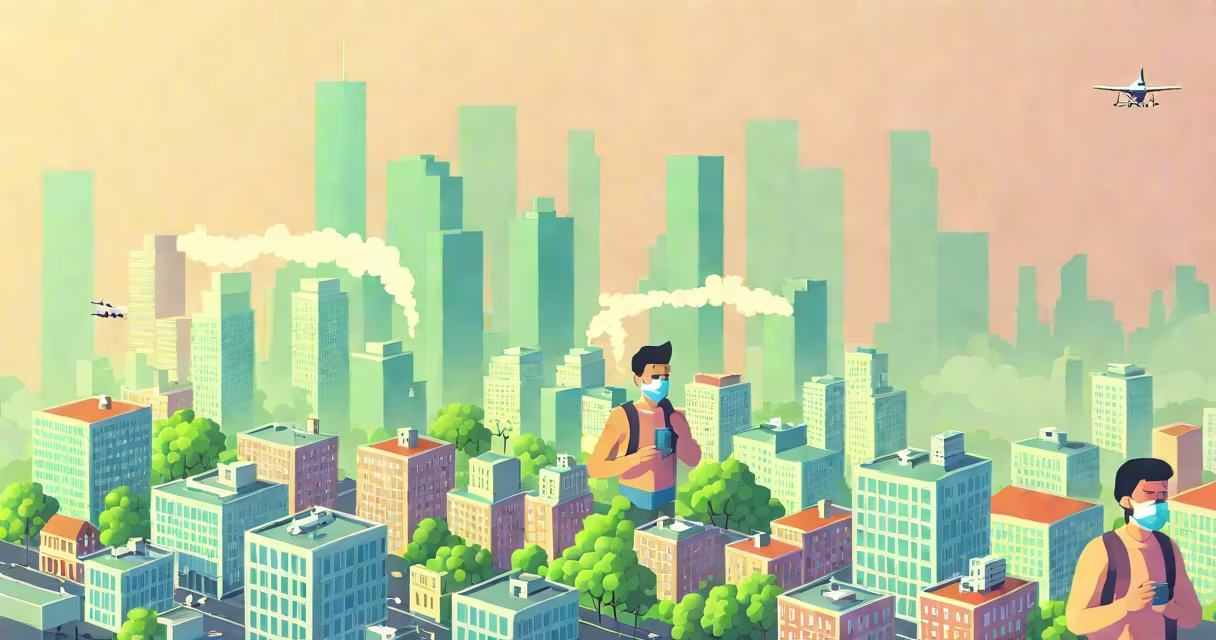
Pollution exposure damages lungs, heart, and brain through airborne particles and toxic gases. Long-term contact with pollutants like PM2.5 and ground-level ozone raises risks of chronic illness and early death.
Outdoor air pollution contains fine particulate matter (PM2.5), nitrogen dioxide (NO₂), sulfur dioxide (SO₂), and ozone (O₃). These substances enter the bloodstream via the lungs. Once inside, they trigger inflammation, oxidative stress, and cellular damage. The World Health Organization (WHO) identifies air pollution as a leading environmental cause of death globally, responsible for approximately 7 million premature deaths annually.
Indoor pollution also contributes. Household combustion of solid fuels for cooking and heating releases PM2.5 and carbon monoxide. In low- and middle-income countries, indoor air pollution causes over 3.2 million deaths each year, according to WHO data from 2021. Children, the elderly, and those with preexisting conditions face higher vulnerability.
When inhaled, PM2.5-particles smaller than 2.5 micrometers-penetrate deep into alveoli and cross into the bloodstream. They travel to organs including the heart and liver, disrupting normal function. Studies show elevated PM2.5 levels correlate with increased hospital admissions for heart attacks and strokes.
Ozone forms when nitrogen oxides and volatile organic compounds react under sunlight. Ground-level ozone irritates airways, reduces lung capacity, and worsens asthma symptoms. A 2022 study published in *The Lancet Planetary Health* found that a 10 μg/m³ increase in daily ozone concentration raised emergency department visits for pediatric asthma by 6.3%.
Long-term exposure to traffic-related pollutants like NO₂ is linked to reduced lung development in children. Research from the University of Southern California tracked 1,400 children over 10 years and found those living near high-traffic roads had 10% lower lung function growth compared to peers in low-exposure areas.
The following table outlines major pollutants, their sources, and documented health outcomes:
| Pollutant | Primary Sources | Documented Health Effects |
|---|---|---|
| PM2.5 | Vehicle exhaust, industrial emissions, wildfires | Increased risk of ischemic heart disease, stroke, lung cancer. WHO classifies PM2.5 as carcinogenic to humans (Group 1). |
| Ozone (O₃) | Sunlight reacting with vehicle and industrial emissions | Acute bronchial irritation, reduced lung function, worsening of COPD and asthma. Linked to 100,000+ annual U.S. asthma cases. |
| NO₂ | Gasoline and diesel engines, power plants | Respiratory infections, decreased lung function, higher rates of childhood asthma. EPA notes NO₂ levels above 53 ppb increase asthma risk in children. |
| Lead (Pb) | Old paint, leaded gasoline (phased out), smelters | Neurodevelopmental delays in children, hypertension, kidney damage. CDC states no safe blood lead level exists. |
Non-obvious fact: Some pollutants act synergistically. For example, co-exposure to PM2.5 and ozone amplifies oxidative stress beyond additive effects. A 2020 study in *Environmental Health Perspectives* showed combined exposure led to 2.5 times greater DNA strand breaks in lung cells than either pollutant alone.
Urban centers with dense traffic and industrial zones report the highest pollution levels. Beijing's average PM2.5 concentration reached 57 μg/m³ in 2022-over 18 times the WHO's recommended annual limit of 3 μg/m³. A 2023 study in *Nature Medicine* linked this to a 12% rise in cardiovascular mortality among residents aged 65 and older.
Low-income communities often bear disproportionate burden. In the U.S., census tracts with majority Black or Hispanic populations have 38% higher average PM2.5 levels than predominantly white neighborhoods, according to EPA analysis (2021). This disparity contributes to higher rates of asthma and infant mortality.
Even brief exposure matters. A 2021 study in *Science Advances* modeled air quality during the 2020 pandemic lockdowns. Cities like Los Angeles saw a 30% drop in NO₂ levels within weeks. Researchers observed a 15% decline in emergency room visits for asthma and acute bronchitis during the same period-evidence that reducing pollution rapidly improves population health.
Many assume pollution only affects the lungs. But research shows systemic impact. A 2023 review in *The BMJ* confirmed that PM2.5 exposure correlates with cognitive decline and increased risk of Alzheimer's disease. Brain tissue samples from autopsies in high-pollution areas show higher amyloid plaque density.
Another myth: "I live far from cities, so I'm safe." Airborne pollutants travel hundreds of miles. Wildfire smoke from western U.S. states reaches the East Coast. In 2020, New York City experienced hazardous air quality due to Canadian fires-PM2.5 levels peaked at 150 μg/m³, triggering public health advisories.
Some believe indoor air is cleaner. That's false. Cooking with gas stoves increases indoor NO₂ levels by up to 50%. A 2022 study in *Environmental Science & Technology* found homes using gas stoves had 3.5 times higher NO₂ concentrations than electric-stove homes.
Delhi, India, ranks among the world's most polluted cities. In November 2023, the Air Quality Index (AQI) hit 490-"severe" category. Hospitals reported a 40% spike in respiratory complaints. Emergency departments saw a 25% increase in pediatric asthma cases.
Researchers from the Indian Institute of Technology-Delhi analyzed hospital records from October to December 2023. They found that for every 10-point rise in AQI, ER visits for acute respiratory distress rose by 8.7%. Children under 12 were disproportionately affected, with 1 in 5 requiring oxygen therapy during peak pollution days.
Government responses included school closures and temporary bans on construction. However, long-term solutions remain limited. A 2023 WHO report noted that despite policy efforts, Delhi's annual average PM2.5 remains above 100 μg/m³-more than 30 times the WHO guideline.
Individuals can reduce exposure by checking local air quality reports. Apps like AirNow (U.S.) and IQAir (global) provide real-time data. Limit outdoor activity during high pollution hours-typically midday in summer and early morning in winter.
Using HEPA filters indoors reduces PM2.5 levels by up to 90%. A 2021 trial in London showed households with HEPA air purifiers had 30% fewer asthma exacerbations over six months.