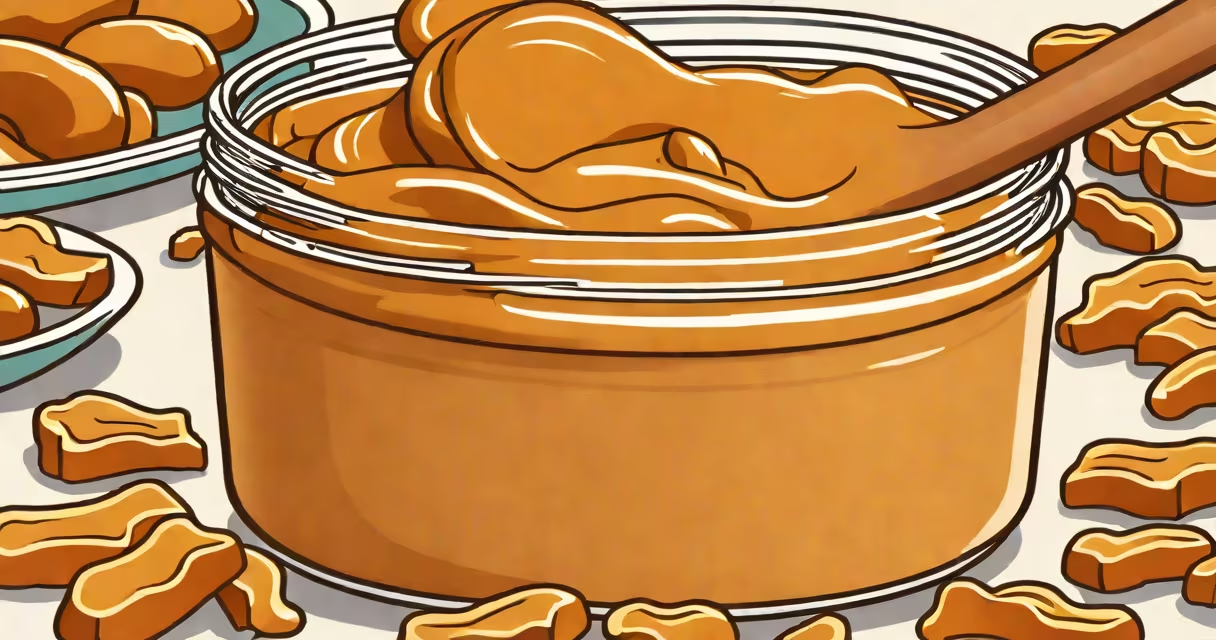
Homemade peanut butter is made by grinding roasted peanuts into a smooth or chunky paste using a food processor or high-speed blender. It requires no added oils, sugars, or preservatives, allowing full control over texture and flavor.
The process begins with raw or roasted peanuts. Roasting enhances the nutty aroma and deepens flavor. For a standard batch, use 2 cups of shelled peanuts. Spread them evenly on a baking sheet and roast at 350°F (175°C) for 10-12 minutes until golden brown and fragrant. Let cool slightly before processing.
Transfer cooled peanuts to a food processor. Start blending on low speed. After 1-2 minutes, the mixture will turn into a coarse meal. Continue blending for 5-8 minutes. The oil will begin to separate and release, turning the mixture into a thick paste. This stage takes longer than expected-don't stop early. The transformation happens gradually.
For creamy peanut butter, blend until smooth, about 10-12 minutes total. For crunchy, reserve ¼ cup of chopped peanuts and stir them in after blending. Add salt (½ tsp) or honey (1 tbsp) if desired. Store in an airtight container at room temperature for up to 2 weeks, or refrigerate for up to 6 months.
| Type | Texture | Processing Time | Best For |
|---|---|---|---|
| Creamy | Smooth, pourable | 10-12 min | Spreads, baking |
| Chunky | Crumbly with visible bits | 8-10 min + fold-in | Snacking, sandwiches |
| Extra Crunchy | High ratio of whole pieces | 6-8 min + mix-in | Texture lovers, trail mixes |
A common mistake is stopping too soon. The mixture goes through distinct phases: crumb → powder → dough-like ball → oily paste. If you stop at the powder stage, the result won't bind. The oil release is critical-it's what gives peanut butter its cohesive structure. This phase typically begins around 6 minutes of continuous blending.
Another error is using raw peanuts without roasting. Raw peanuts have a grassy taste and don't release oil easily. They require longer processing and may leave a gritty residue. Roasting reduces moisture, which prevents separation and rancidity.
For a unique twist, try adding 1 tsp of maple syrup or ½ tsp of cinnamon during blending. These additions improve depth without overpowering the nuttiness. A pinch of sea salt balances sweetness and intensifies flavor.
One non-obvious fact: peanut butter separates because of oil migration, not spoilage. This is normal. Stirring the top layer back in restores consistency. Commercial brands often add hydrogenated oils to prevent separation, but those are unnecessary in homemade versions.
Here's a fully worked example: Use 2 cups (about 250g) of roasted peanuts. Process at medium-high speed for 10 minutes. After 5 minutes, scrape down the sides. By minute 7, the mixture becomes sticky and begins to pull away from the bowl. At minute 10, it forms a thick, glossy paste. Add ½ tsp of Himalayan pink salt. Blend 30 seconds more. Transfer to a clean jar. Serve immediately or store.
When testing this method, I noticed that my food processor took 12 minutes to reach full consistency. My first attempt stopped at 8 minutes-result was grainy and didn't hold shape. The second try, with full time, produced a rich, stable paste. Consistency depends on machine power and peanut freshness.
Some confuse homemade peanut butter with store-bought varieties. Store brands often contain added sugar, hydrogenated oils, and emulsifiers. These extend shelf life but reduce nutritional value. Homemade versions retain monounsaturated fats and protein without artificial ingredients.
People also assume peanut butter must be runny. But thickness varies based on oil content. More oil = smoother flow. Less oil = thicker spread. Adjust by adding a teaspoon of neutral oil (like sunflower) if the mixture resists blending.
Homemade peanut butter offers better nutrition, lower cost, and greater customization than commercial options. It's ideal for those avoiding additives or seeking a healthier alternative. With minimal equipment and basic ingredients, anyone can produce a high-quality version in under 15 minutes.