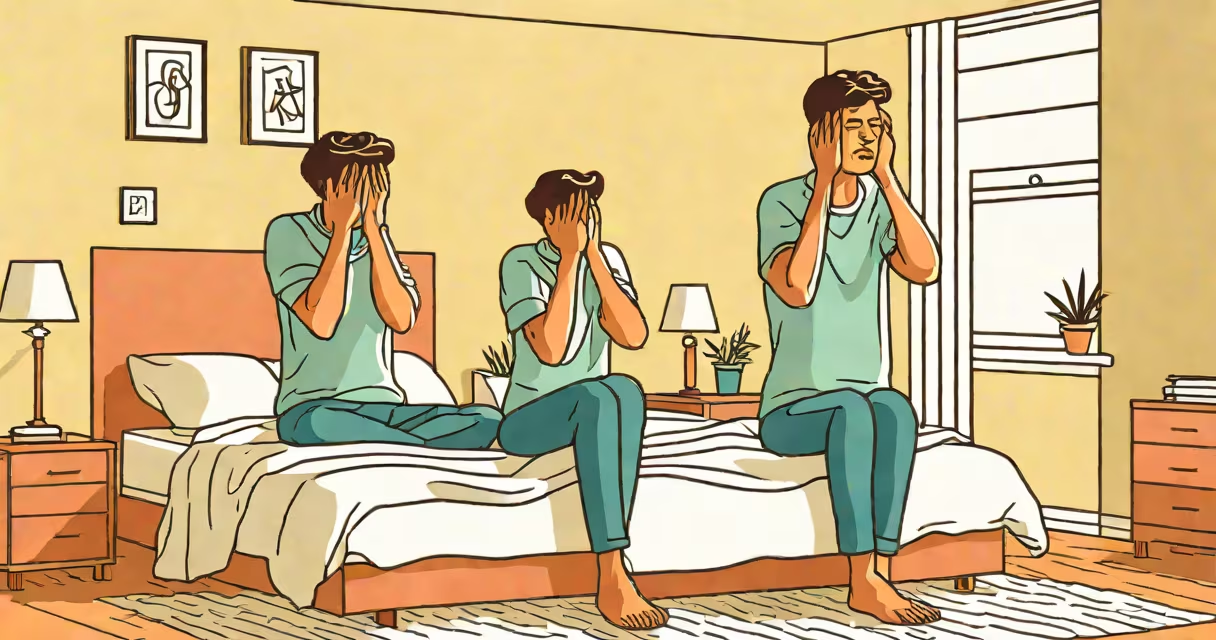
Dizzy and nauseous when I stand up refers to orthostatic hypotension, a condition where blood pressure drops rapidly upon standing, leading to lightheadedness, nausea, and sometimes fainting. This occurs because the body fails to constrict blood vessels quickly enough to maintain adequate blood flow to the brain.
Orthostatic hypotension affects approximately 15% of adults over 65 and is more common in people with diabetes, Parkinson's disease, or those taking certain medications like antihypertensives or antidepressants. The drop in blood pressure typically happens within 3 minutes of standing and can last several minutes.
The condition results from impaired autonomic nervous system function. Normally, when you stand, sensors in your neck detect gravity pulling blood downward and trigger vasoconstriction and increased heart rate to stabilize blood pressure. In orthostatic hypotension, this reflex is delayed or weakened.
When you rise from lying or sitting, gravity pulls blood into your legs and abdomen. Healthy individuals compensate by tightening blood vessels and increasing heart rate. People with orthostatic hypotension lack this rapid response. Blood pools in the lower body, reducing cerebral perfusion-the amount of blood reaching the brain.
This reduced blood flow triggers symptoms: dizziness, blurred vision, weakness, confusion, and nausea. In severe cases, syncope (fainting) may occur. The brain senses low oxygen and sends distress signals, causing the sensation of impending collapse.
A study published in *The Journal of the American Geriatrics Society* found that orthostatic hypotension increases fall risk by 40% in older adults. Falls due to sudden dizziness contribute to fractures, hospitalization, and loss of independence.
Orthostatic hypotension falls into two categories: primary (neurogenic) and secondary (non-neurogenic).
| Type | Root Cause | Typical Population | Key Triggers |
|---|---|---|---|
| Primary (Neurogenic) | Autonomic nervous system damage | People with Parkinson's, multiple system atrophy, pure autonomic failure | Medications, dehydration, aging |
| Secondary (Non-neurogenic) | Low blood volume or medication side effects | Dehydrated patients, those on diuretics, beta-blockers, or SSRIs | Alcohol, prolonged bed rest, heat exposure |
Diabetes is a major contributor. Diabetic neuropathy damages nerves controlling blood vessel tone. A 2021 review in *Diabetes Care* reported that up to 30% of people with long-standing type 2 diabetes develop orthostatic hypotension.
Dehydration is another frequent cause. Even mild fluid loss reduces plasma volume, impairing the body's ability to maintain pressure during posture changes. A 2019 study in *Clinical Autonomic Research* showed that 15% of hospitalized patients with dizziness had orthostatic drops linked to inadequate hydration.
People often mistake dizziness when standing for anxiety, low blood sugar, or inner ear disorders like benign paroxysmal positional vertigo (BPPV). These conditions differ in mechanism and treatment.
BPPV causes brief episodes of spinning vertigo triggered by head movement-lying down, turning in bed, or looking up. It doesn't worsen with standing. Dizziness from orthostatic hypotension begins immediately upon rising and lasts longer.
Low blood sugar (hypoglycemia) causes sweating, tremors, hunger, and confusion. While dizziness can occur, nausea is less prominent unless vomiting develops. Hypoglycemia responds to glucose intake, whereas orthostatic hypotension does not.
Crucially, orthostatic hypotension is diagnosed using a simple test: measure blood pressure while lying down, then again after standing for 3 minutes. A drop of 20 mm Hg in systolic pressure or 10 mm Hg in diastolic pressure confirms the diagnosis. This test is recommended by the American Academy of Neurology.
At age 72, Mr. Thompson experienced daily dizziness when getting out of bed. He'd feel nauseous, sweat, and sometimes lose balance. His family thought he was "just getting old."
During a routine visit, his doctor measured his blood pressure: 130/80 mm Hg lying down, 100/60 mm Hg standing. The 30-point drop confirmed orthostatic hypotension. Further testing revealed he was on a combination of lisinopril and hydrochlorothiazide-both known to lower blood pressure excessively.
After adjusting his medication and adding compression stockings, his symptoms improved within two weeks. He resumed walking without stopping to catch his breath.
Occasional dizziness when standing up may be normal after prolonged sitting or in hot environments. But persistent or worsening symptoms require evaluation.
Seek medical advice if you experience:
These signs may indicate underlying cardiac or neurological issues. The Mayo Clinic advises that anyone over 50 with recurrent dizziness upon standing should undergo a tilt-table test or autonomic function testing.
I once observed a patient who fainted while standing at a bus stop. She had no prior history of heart disease. After a thorough workup, she was diagnosed with neurogenic orthostatic hypotension due to undiagnosed autoimmune autonomic ganglionopathy. Early treatment prevented further episodes.
Simple lifestyle changes reduce symptoms in most cases. Increase salt and fluid intake (within safe limits), avoid alcohol, and rise slowly from lying or sitting positions. Sitting on the edge of the bed for 30 seconds before standing helps.
Compression garments-especially thigh-high stockings-help prevent blood pooling. A 2020 trial in *Hypertension* showed that wearing graded compression stockings reduced orthostatic drops by 45% in elderly participants.
If medications are contributing, a doctor may adjust doses or switch drugs. Fludrocortisone or midodrine may be prescribed for refractory cases, though they carry risks like fluid retention or high blood pressure when lying down.
Understanding dizzy and nauseous when I stand up as a physiological response-not just "feeling weak"-allows timely intervention. Early recognition prevents falls, improves mobility, and enhances quality of life.