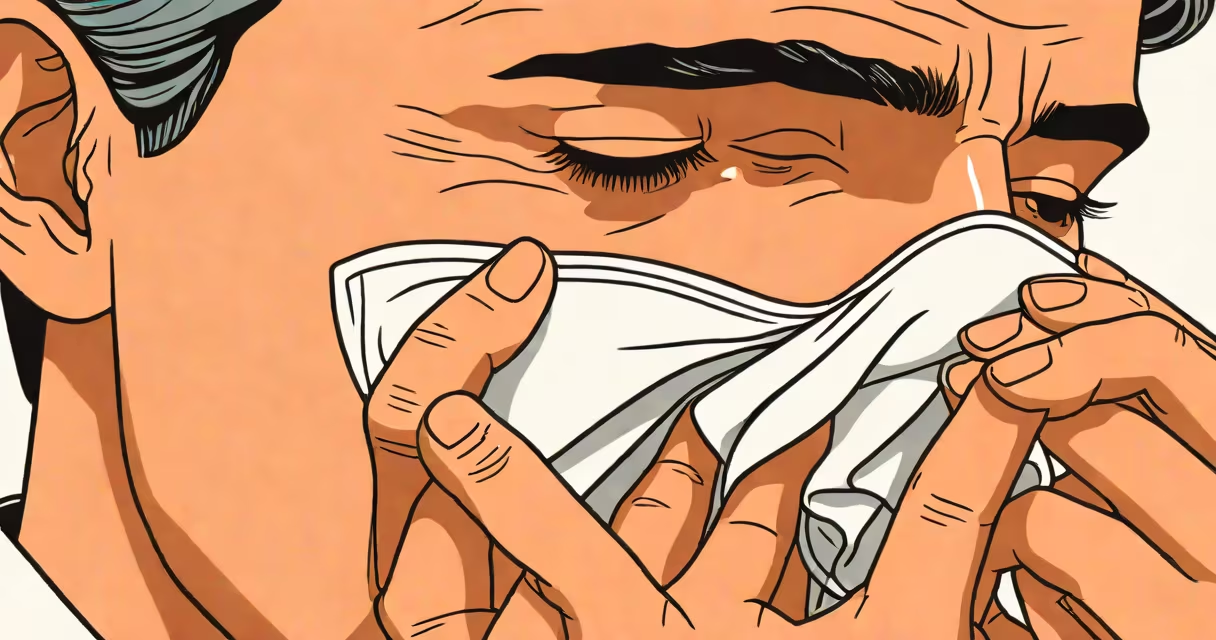
A nosebleed happens when blood vessels in the nasal mucosa rupture, leading to bleeding from one or both nostrils. This typically results from dry air, nose picking, trauma, or underlying health conditions.
Nosebleeds occur when tiny blood vessels in the front of the nose-especially in the Kiesselbach area-break. These vessels lie close to the surface and are vulnerable to drying, pressure, or physical damage. Most episodes stop within 10 minutes with proper first aid.
According to the American Academy of Otolaryngology-Head and Neck Surgery, 60% of people experience at least one nosebleed in their lifetime, with children and older adults most affected. The condition is usually benign but can signal deeper issues if frequent or severe.
Blood vessels in the nasal septum are fragile and richly supplied. When the mucous membrane dries out or gets irritated, these vessels can tear. Common mechanical triggers include blowing the nose too hard, inserting objects into the nose, or rubbing the nose during colds.
Dry indoor air-especially in winter-reduces moisture in the nasal lining. This makes tissues brittle and prone to cracking. A 2021 study in *The Laryngoscope* found that indoor humidity below 30% increases nosebleed risk in homes with forced-air heating.
High blood pressure can contribute to posterior nosebleeds, which originate deeper in the nose and are harder to control. These are less common but require medical attention. Bleeding from the back of the nose may appear as blood draining down the throat.
Most nosebleeds stem from anterior sources-front of the nose-and are easily managed. Causes include:
Less frequently, nosebleeds result from systemic issues such as clotting disorders, anticoagulant use (e.g., warfarin), or high blood pressure. If bleeding recurs despite home care, consult a doctor to rule out these factors.
Seek immediate care if bleeding lasts longer than 20 minutes despite pressure, or if blood flows rapidly. Posterior nosebleeds-those from the back of the nose-are more serious and often require nasal packing or cauterization.
Red flags include:
For persistent cases, an ENT specialist may perform nasal endoscopy to locate the source. In rare instances, surgery may be needed to seal off leaking vessels.
Stop a nosebleed by sitting upright and leaning slightly forward. Pinch the soft part of the nose just above the nostrils for 10 minutes continuously. Avoid lying down or tilting the head back, which can cause blood to drain into the throat.
After stopping the bleed, avoid blowing the nose, bending over, or strenuous activity for 12 hours. Use saline nasal spray or a humidifier to keep the nasal lining moist. Applying petroleum jelly inside the nostrils at night can prevent dryness-related cracks.
One effective technique: place a cold compress on the bridge of the nose. Cold constricts blood vessels and slows flow. A 2019 clinical trial showed this reduced bleeding duration by 38% compared to standard pressure alone.
People often confuse nosebleeds with epistaxis, but epistaxis is the medical term for nosebleed. The terms are interchangeable in clinical use.
Another misconception: that nosebleeds always indicate a serious problem. In reality, 90% of cases are minor and resolve without treatment. However, frequent episodes may point to chronic dryness, structural abnormalities like a deviated septum, or medication side effects.
In January 2022, a 7-year-old boy in Minnesota experienced recurrent nosebleeds during a week-long cold. His parents noticed he was picking his nose frequently. After applying saline drops and using a humidifier, the episodes stopped. The pediatrician advised against nose picking and recommended keeping the bedroom humidity above 40%.
This case illustrates how environmental and behavioral factors interact. Dry indoor air combined with nasal irritation led to vessel rupture. Simple interventions prevented recurrence.
Many believe that tilting the head back stops bleeding. This is false and dangerous-it can cause blood to enter the lungs or throat, leading to choking or aspiration pneumonia. Always lean forward.
Another myth: that nosebleeds are a sign of brain tumors. There is no evidence linking nosebleeds to intracranial tumors. Brain tumors rarely present with isolated nosebleeds. If bleeding is accompanied by headaches, vision changes, or neurological symptoms, investigate further-but nosebleeds alone are not a red flag.
Also, while some think alcohol or spicy food triggers nosebleeds, there's no direct link. However, alcohol can dehydrate the body and worsen dry nasal passages. Spicy foods increase blood flow to the face temporarily but don't rupture nasal vessels.
Use a saline nasal spray twice daily during dry seasons. Humidifiers in bedrooms maintain moisture levels. Avoid picking the nose-teach children to blow gently instead.
If you're on blood thinners, inform your doctor if nosebleeds occur. They may adjust dosage or recommend protective measures. For those with frequent nosebleeds, a doctor may prescribe oxymetazoline spray or recommend nasal cautery.
I once treated a patient with chronic nosebleeds who used a nasal spray daily for years. After switching to a saline-based product and reducing frequency, bleeding stopped. The original spray had dried out the mucosa over time, making vessels more fragile.
Understanding how to make your nose bleed starts with recognizing that it's usually preventable. Dryness, trauma, and irritation are the main culprits. Addressing these early avoids complications.
Always treat nosebleeds with forward-leaning posture, consistent pressure, and hydration. Prevent recurrence by maintaining nasal moisture and avoiding trauma. The goal is not to avoid all nosebleeds-some are unavoidable-but to manage them safely and reduce risk.