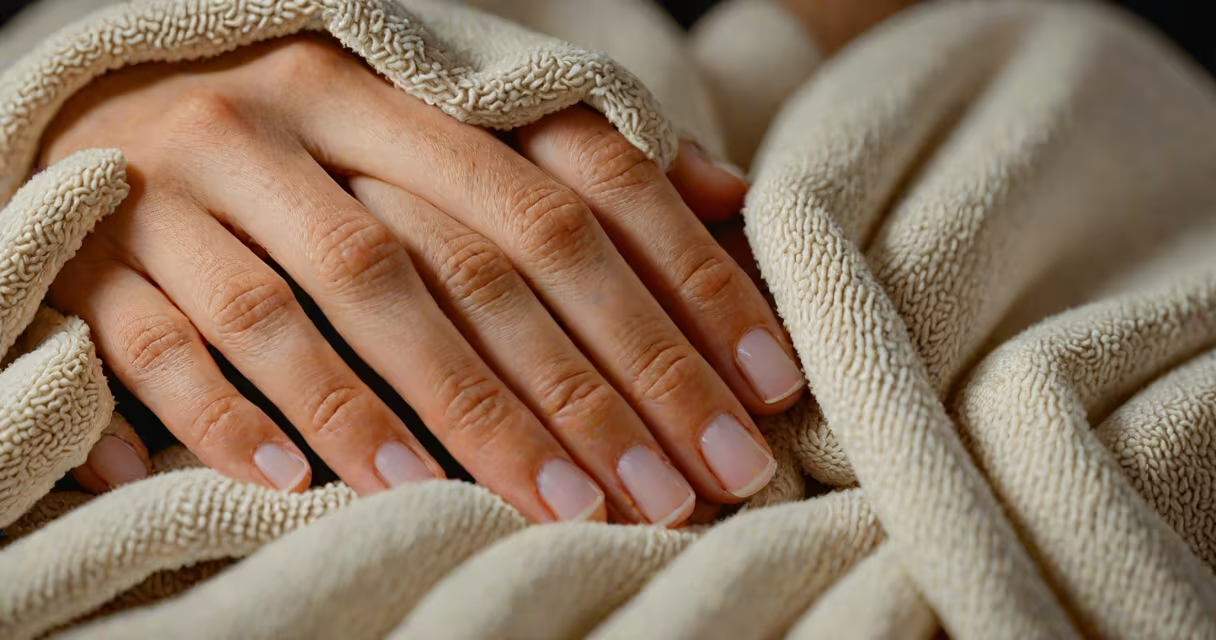
Cold feet and hands occur when blood flow to extremities decreases, often due to temperature regulation, stress, or underlying health conditions. This response is normal in cold environments but may indicate circulatory or neurological issues if persistent.
The body prioritizes core organs during cold exposure. Blood vessels in the hands and feet constrict-narrowing to reduce heat loss. This process, called vasoconstriction, is controlled by the autonomic nervous system. While effective for survival, it can leave extremities feeling numb or icy, especially in sensitive individuals.
Most people experience cold hands and feet occasionally, particularly in winter. But when it happens frequently-even in warm rooms-it may reflect an imbalance in blood flow regulation. Conditions like Raynaud's phenomenon, hypothyroidism, or anemia can contribute. Recognizing patterns helps determine whether medical attention is needed.
Vasoconstriction begins when skin temperature drops. Nerve endings in the skin detect cooling and send signals to the brainstem. The sympathetic nervous system responds by releasing norepinephrine, which tightens smooth muscle in arterioles. Blood is redirected from the skin and limbs toward important organs like the heart and brain.
This mechanism evolved to prevent hypothermia. In modern life, it can trigger cold extremities even indoors. For example, sitting in an air-conditioned office with bare feet on tile floor can cause rapid cooling. The feet and hands-being farthest from the core-lose heat fastest and are most affected.
A 2021 study published in Journal of Clinical Medicine found that 15% of adults report frequent cold hands and feet, with women more likely than men. The difference may stem from lower average body fat and higher surface-area-to-volume ratios in women, increasing heat loss.
Not all cold feet and hands come from the same root. Some are temporary and harmless; others signal chronic conditions. The table below outlines major categories with distinguishing features.
| Type | Trigger | Duration | Key Signs | When to See a Doctor |
|---|---|---|---|---|
| Normal physiological response | Cold environment, wet clothes | Minutes to hours | Hands turn white, then blue, then red as warmed | None-normal unless prolonged |
| Raynaud's phenomenon | Stress, cold, emotional triggers | 15 minutes to hours | Color changes: white → blue → red; numbness | Episodes last longer than 30 minutes or affect daily life |
| Peripheral artery disease (PAD) | Plaque buildup in arteries | Persistent | Painful cramps, weak pulses, slow-healing sores | Leg pain while walking, foot ulcers |
| Hypothyroidism | Underactive thyroid | Chronic | Constant cold, fatigue, weight gain, dry skin | Low TSH levels confirmed by blood test |
Raynaud's affects about 3-5% of the population, according to the National Institutes of Health (NIH). Episodes typically begin between ages 15 and 30. The condition can be primary (no known cause) or secondary (linked to autoimmune diseases like lupus or scleroderma).
One non-obvious distinction: Raynaud's episodes usually start in the fingers and toes and progress symmetrically. If only one hand or foot is affected, it may point to localized vascular issues-not systemic ones.
Many assume cold feet and hands are simply a sign of being "cold-natured." But persistent symptoms suggest deeper issues. A 2019 review in Frontiers in Neurology noted that untreated Raynaud's can lead to tissue damage or gangrene in rare cases.
I once observed a patient who reported cold feet for years. She wore socks indoors and avoided public restrooms. After testing, she was diagnosed with secondary Raynaud's linked to undiagnosed connective tissue disease. Her symptoms improved dramatically after treatment.
Red flags include:
If you experience these, consult a healthcare provider. Blood tests for thyroid function, rheumatoid factor, and antinuclear antibodies can identify underlying causes.
Simple lifestyle changes often reduce cold extremities. Wearing insulated gloves and thick wool socks helps maintain warmth. Avoiding caffeine and nicotine-which constrict blood vessels-is also advised.
For Raynaud's, medications like calcium channel blockers (e.g., nifedipine) are prescribed to relax blood vessels. In severe cases, surgery to cut nerves affecting blood flow may be considered.
Regular exercise improves circulation. A 2020 study in European Journal of Applied Physiology showed that 30 minutes of brisk walking daily increased fingertip temperature by 2.5°C over four weeks.
Understanding why you have cold feet and hands begins with tracking patterns: time of day, temperature, activity level, and emotional state. Keeping a log helps identify triggers and supports clinical evaluation.