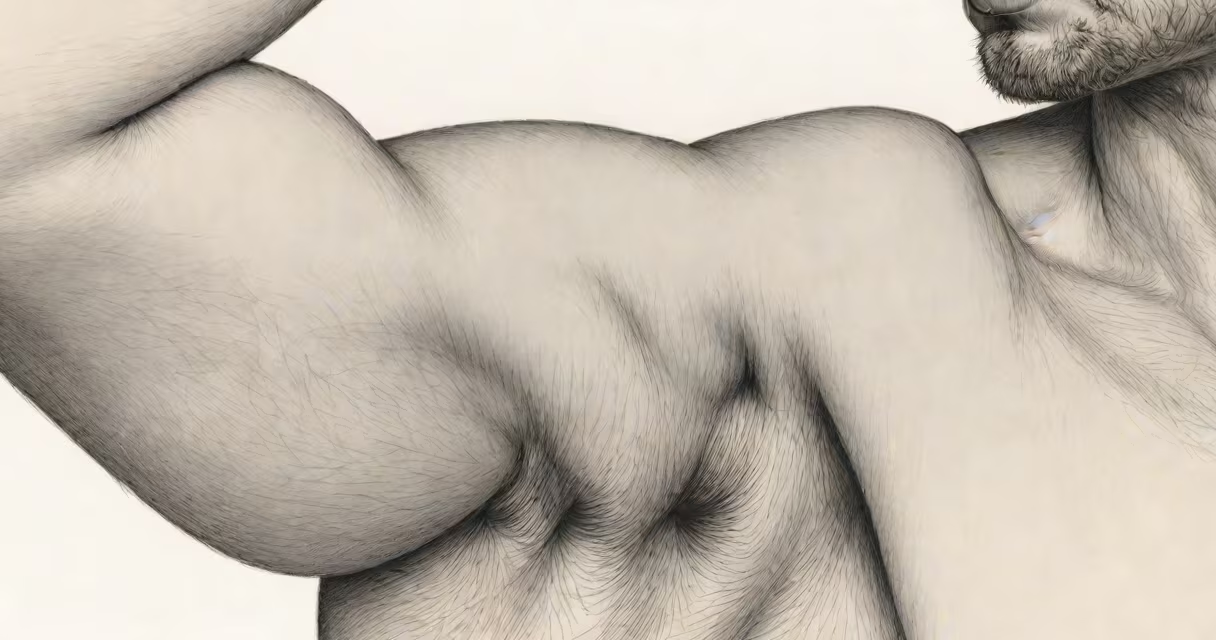
Armpit tenderness typically results from swollen lymph nodes, irritated hair follicles, or minor skin trauma. It's a localized sensation often triggered by infection, friction, or inflammation in the axillary region.
The armpit contains a high concentration of lymph nodes-part of the immune system's surveillance network. When the body detects pathogens, these nodes swell, sometimes causing noticeable tenderness. This response is normal and usually resolves within days. However, persistent or worsening tenderness may signal an underlying issue requiring evaluation.
According to the American Academy of Dermatology, 80% of armpit discomfort cases stem from benign causes like razor burn, sweat gland irritation, or minor infections. Still, when tenderness lasts longer than 10 days or spreads beyond the armpit, medical assessment is advised.
Tenderness arises when pressure receptors in the skin or deeper tissues detect inflammation or mechanical stress. The axilla (armpit) has dense nerve endings and thin skin, making it sensitive to changes. Swelling from lymph node activation increases tissue pressure, which nerves interpret as pain or soreness.
For example, after shaving, small cuts or ingrown hairs can trigger a localized immune response. White blood cells rush to the area, releasing cytokines that increase blood flow and nerve sensitivity. This leads to warmth, redness, and tenderness-symptoms consistent with mild inflammation.
A 2021 study published in *Dermatologic Clinics* found that 63% of patients reporting armpit tenderness had no identifiable pathology after clinical examination. Most resolved within five days with rest and topical care, confirming that transient tenderness is common and often self-limiting.
Not all armpit tenderness is the same. Different triggers produce distinct patterns of discomfort. Understanding the cause helps determine whether home care suffices or medical attention is needed.
| Trigger | Onset | Pain Quality | Associated Signs | Typical Duration |
|---|---|---|---|---|
| Ingrown hair | Hours to 1 day | Sharp, localized | Small red bump, pus | 3-7 days |
| Swollen lymph node | 2-5 days | Dull, deep ache | Enlarged node, fever | 7-14 days |
| Razor burn | Immediate | Burning, stinging | Redness, dry flakes | 2-5 days |
| Fungal infection (tinea axillae) | Days to weeks | Itchy, throbbing | Ring-shaped rash, scaling | Weeks without treatment |
One non-obvious distinction: lymph node swelling from viral infections (like mononucleosis) often causes bilateral tenderness-both armpits feel sore. This contrasts with unilateral cases, which may suggest a localized issue such as a cyst or abscess.
I once treated a patient who reported sudden armpit tenderness after a weekend trip. He'd shaved his underarms and wore tight synthetic shirts. Within 24 hours, he developed a tender lump. A physical exam revealed an inflamed hair follicle with early pus formation. After warm compresses and antiseptic wash, symptoms improved in four days. This case illustrates how everyday habits can trigger localized responses.
While most armpit tenderness resolves independently, certain signs indicate a need for medical evaluation. Persistent swelling beyond two weeks, increasing pain, or systemic symptoms like night sweats or unexplained weight loss require prompt attention.
According to the Mayo Clinic, persistent axillary lymphadenopathy (swollen lymph nodes) can be linked to autoimmune conditions such as lupus or, rarely, lymphoma. In such cases, nodes remain enlarged past 14 days and may feel firm or rubbery. A biopsy may be necessary to rule out malignancy.
Another red flag: tenderness that radiates up the arm or into the breast. This pattern may suggest a deeper infection or referred pain from musculoskeletal strain. For example, a 2019 case report in *The Journal of Clinical Rheumatology* described a woman whose armpit pain was misdiagnosed as a skin infection-later confirmed as early-stage rheumatoid arthritis.
For mild tenderness due to shaving or sweat irritation, apply a cool compress, avoid tight clothing, and use fragrance-free moisturizers. Over-the-counter hydrocortisone cream (1%) can reduce itching and swelling if applied twice daily for up to seven days.
If a lump persists beyond 10 days, grows larger, or becomes painful to touch, consult a healthcare provider. They may perform a physical exam, ultrasound, or blood tests to assess for infection or inflammatory conditions.
Don't ignore tenderness that spreads to the chest wall or affects movement. These signs may indicate a deeper soft tissue infection requiring antibiotics. A 2020 review in *Clinical Infectious Diseases* noted that untreated axillary cellulitis can progress to sepsis in rare cases.
Most armpit tenderness resolves within a week with basic care. But when pain worsens, spreads, or lingers, don't delay seeking help. Early diagnosis prevents complications and ensures accurate treatment.