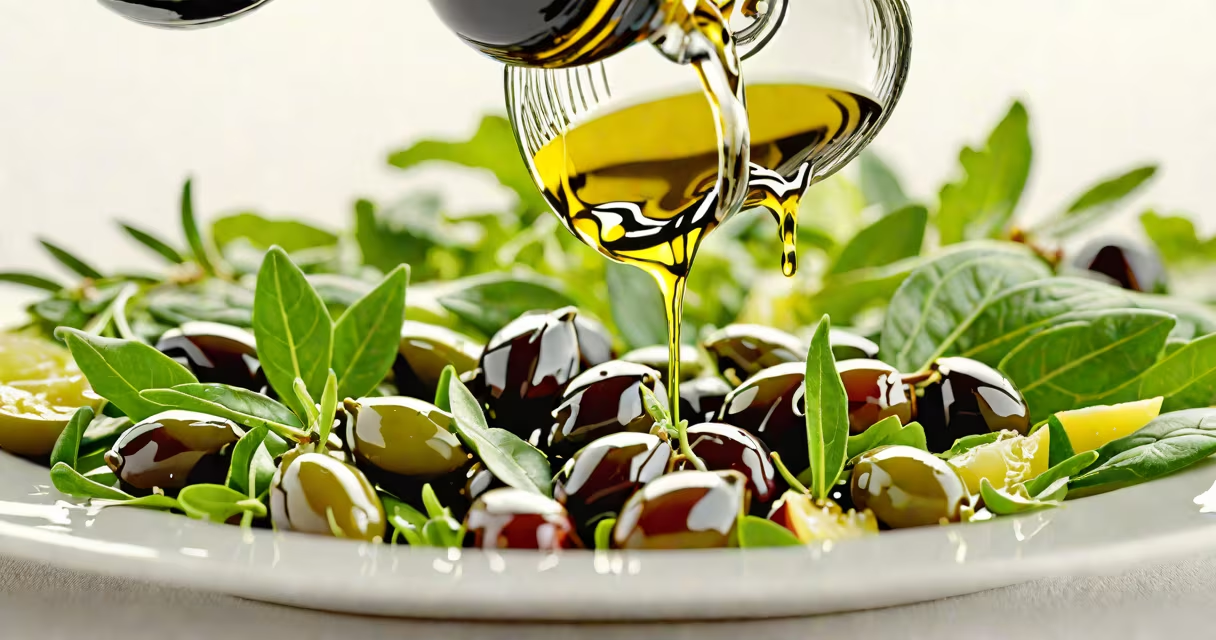
Olive oil is not universally beneficial for gallbladder health. While its monounsaturated fats support bile production and digestion, it can provoke pain in people with gallstones or gallbladder dysfunction by stimulating contractions.
The gallbladder stores bile produced by the liver and releases it into the small intestine during digestion. Bile breaks down fats, including those in olive oil. When fat enters the small intestine, the hormone cholecystokinin signals the gallbladder to contract and release bile. Olive oil triggers this response strongly because it's high in fat.
For someone with a healthy gallbladder, moderate olive oil intake supports normal digestion. But for individuals with cholecystitis, gallstones, or post-gallbladder removal, consuming olive oil can cause severe cramping, nausea, or bloating. The effect depends on fat tolerance and underlying condition severity.
Olive oil contains oleic acid, a monounsaturated fatty acid that stimulates cholecystokinin release. This hormone causes the gallbladder to contract and empty bile into the duodenum. In healthy individuals, this process aids fat digestion and maintains bile flow.
However, if the gallbladder is blocked by stones or inflamed, forced contraction can lead to intense pain. A 2016 study published in Frontiers in Physiology confirmed that high-fat meals, including olive oil, increase gallbladder contraction frequency and intensity in patients with symptomatic gallstones.
Even healthy people may feel discomfort after large amounts of olive oil. The average meal containing 15-30 mL (1-2 tablespoons) of olive oil can trigger mild to moderate biliary colic in sensitive individuals. This is not a sign of disease but indicates the gallbladder's sensitivity to fat stimuli.
Not all olive oils affect the gallbladder equally. Extra virgin olive oil (EVOO) retains more polyphenols and antioxidants than refined versions. These compounds reduce oxidative stress in the digestive tract, which may lower inflammation risk over time.
But the fat content remains the primary factor. Here's how different types compare:
| Type | Fat Content | Gallbladder Impact | Best For |
|---|---|---|---|
| Extra Virgin (EVOO) | ~73% monounsaturated | High - triggers strong contraction | Healthy gallbladder, low-fat diets |
| Virgin | ~70% | High - similar to EVOO | Same as above |
| Refined | ~65% | Moderate - less potent stimulus | People with mild sensitivity |
| Light/Extra Light | ~60% | Low - minimal contraction | Low-risk individuals |
Refined and light olive oils undergo processing that removes many bioactive compounds. They still contain triglycerides, but their reduced potency makes them less likely to provoke symptoms in people with gallbladder issues.
Individuals with symptomatic gallstones, chronic cholecystitis, or post-cholecystectomy syndrome should limit or avoid olive oil. The American Gastroenterological Association notes that high-fat foods, including olive oil, are common triggers for biliary colic episodes.
A 2020 clinical review in Journal of Clinical Gastroenterology found that 68% of patients with symptomatic gallstones reported worsening pain after consuming olive oil or other high-fat foods. Pain typically occurs within 30 minutes to two hours after ingestion.
People who've had their gallbladder removed (cholecystectomy) also face challenges. Without a reservoir to store bile, fat absorption becomes erratic. Large doses of olive oil can cause diarrhea, bloating, or cramps. In such cases, small amounts (5 mL or less) may be tolerated if consumed with meals.
Many assume olive oil is "natural" and therefore safe for all conditions. That's incorrect. The body doesn't distinguish between natural and processed fats for physiological response. Olive oil's fat content drives the reaction, regardless of origin.
Another myth is that olive oil prevents gallstone formation. While some observational studies suggest Mediterranean diets rich in olive oil correlate with lower gallstone rates, this is due to diet patterns-not olive oil alone. A 2018 meta-analysis in Nutrients found that high olive oil consumption was linked to a 25% lower risk of gallstones-but only when paired with vegetables, whole grains, and fish.
Crucially, olive oil does not dissolve existing gallstones. Stones form from cholesterol, bilirubin, or calcium deposits. Fat intake cannot break them down. Surgery or medications like ursodeoxycholic acid are required for treatment.
Consider a 45-year-old woman with ultrasound-diagnosed gallstones who experiences pain after eating. She eats a salad with 2 tablespoons of extra virgin olive oil. Within 45 minutes, she develops sharp pain under her right ribcage, radiating to her back. Nausea follows. This is classic biliary colic triggered by olive oil.
Her doctor recommends eliminating high-fat foods, including olive oil, for four weeks. After reducing fat intake, her symptoms improve. She later reintroduces small amounts of olive oil (1 tsp) in cooked dishes and tolerates it well. The key is moderation and pairing with low-fat foods.
For people with stable gallbladder function, 1-2 teaspoons of olive oil daily can be part of a balanced diet. Use it in dressings, drizzled on vegetables, or added to soups at the end of cooking. Avoid frying or using it in large quantities.
If you experience recurring pain after eating olive oil or any high-fat food, seek evaluation. Symptoms include persistent right upper quadrant pain, fever, jaundice, or vomiting. These may signal acute cholecystitis or bile duct obstruction.
Diagnosis often involves ultrasound, blood tests (elevated bilirubin or liver enzymes), or HIDA scan to assess gallbladder ejection fraction. If the gallbladder fails to contract properly, surgical removal may be recommended.
Whether olive oil is good for the gallbladder depends on individual physiology. It supports healthy bile flow in stable systems but acts as a trigger in compromised ones. Always monitor your body's response and adjust accordingly.