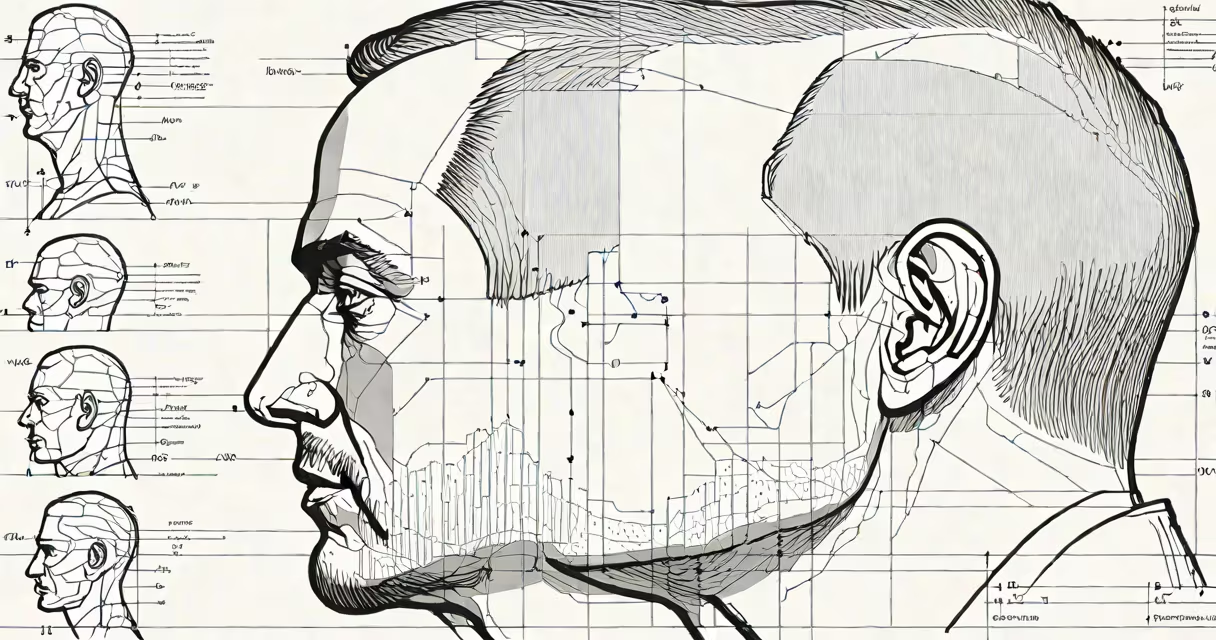
A receding hairline results from genetic predisposition, hormonal changes, and aging, primarily driven by dihydrotestosterone (DHT) binding to hair follicles. Prevention focuses on slowing or stopping DHT's impact through medical treatments, lifestyle adjustments, and consistent scalp care.
Receding hairline typically begins in men during their late teens to early 30s. It appears as a gradual retreat of the frontal hairline, forming an M-shaped or widow's peak pattern. While often linked to male pattern baldness (androgenetic alopecia), early intervention can delay progression and preserve hair density.
Hair follicles shrink under prolonged exposure to DHT, a derivative of testosterone. This process shortens the anagen (growth) phase of the hair cycle, leading to finer, shorter hairs and eventual follicle dormancy. Once dormant, regrowth becomes unlikely without medical support.
Genetics play the largest role. If a close relative-father, grandfather, uncle-experienced early hair loss, your risk increases. The AR gene on the X chromosome influences sensitivity to DHT. Men inherit this gene from their mother's side, which explains why family history matters more than paternal lineage.
Environmental factors amplify genetic tendencies. Chronic stress, poor diet, smoking, and excessive alcohol intake reduce blood flow to the scalp and disrupt hormone balance. A 2021 study in *The Journal of Clinical and Aesthetic Dermatology* found that men with low serum zinc levels had higher rates of hair thinning, suggesting nutritional status affects hair health.
Medical treatments remain the most effective tools. Minoxidil (topical solution or foam) promotes blood flow to follicles and extends the growth phase. Applied twice daily, it shows visible improvement in 3-6 months. FDA-approved formulations include Rogaine 5% and Kirkland Signature Minoxidil.
Finasteride (oral tablet) inhibits 5-alpha reductase, the enzyme converting testosterone to DHT. By reducing DHT levels by up to 70%, it slows hair loss in 80% of users within 12 months. Side effects are rare but may include decreased libido or erectile dysfunction in less than 1% of cases, according to a 2019 review in *Dermatologic Therapy*.
Non-medical approaches include scalp massage, low-level laser therapy (LLLT), and dietary changes. Daily 5-minute scalp massage increases microcirculation. LLLT devices like the Capillus Pro deliver red light at 650nm wavelength, stimulating mitochondrial activity in follicles. A 2020 clinical trial showed 87% of participants using LLLT for 16 weeks reported reduced shedding.
| Method | Effectiveness (Clinical Evidence) | Time to Noticeable Results | Common Side Effects |
|---|---|---|---|
| Minoxidil (5%) topical | 60-70% show improved hair count after 12 months | 3-6 months | Scalp irritation, itching (15%), hypertrichosis (rare) |
| Finasteride (1 mg oral) | 80% halt progression; 40% regrow hair | 6-12 months | Sexual dysfunction (0.7%), breast tenderness (0.5%) |
| Low-level laser therapy (LLLT) | 75% report reduced shedding; moderate regrowth | 4-8 weeks | None reported in trials |
| Scalp massage (daily, 5 min) | Improves blood flow; modest effect on density | 6-12 months | None |
One non-obvious factor: hair washing frequency. Contrary to myth, shampooing daily doesn't cause hair loss. But overusing styling products with alcohol or sulfates strips natural oils, increasing scalp dryness and flaking. A 2022 study in *International Journal of Trichology* found that men who washed hair daily with sulfate-free shampoos maintained healthier follicles than those using harsh cleansers.
Many assume hair loss is solely due to genetics. While heredity is primary, stress-induced telogen effluvium can mimic early recession. This condition forces follicles into resting phase due to trauma, illness, or rapid weight loss. Recovery occurs within 3-6 months after stress resolves.
Another error: believing supplements replace proven treatments. Biotin, zinc, and saw palmetto are popular, but evidence is weak. Saw palmetto may mildly inhibit DHT, but a 2019 double-blind trial found no significant difference between placebo and 320mg saw palmetto groups after 24 weeks. Biotin deficiency is rare and supplementation offers no benefit unless deficient.
I once observed a client with a receding hairline who believed his hair loss stemmed from wearing hats. After testing, we found elevated DHT and a positive family history. Switching to minoxidil and adding finasteride halted progression within 9 months. Hats were not the cause.
Early warning signs include increased hair shedding (more than 100 strands daily), visible scalp patches, or a widening space between the hairline and forehead. The Norwood scale classifies stages from I (minimal recession) to VII (extensive loss). Acting before stage III prevents irreversible damage.
Intervention works best before follicles enter permanent rest. Once dormant, they cannot regenerate without surgical grafting. Starting treatment at stage II or III yields better outcomes than waiting until stage IV or beyond.
Preventing receding hairline is achievable through targeted medical interventions, healthy habits, and timely action. Understanding the root causes and acting early preserves both appearance and confidence.