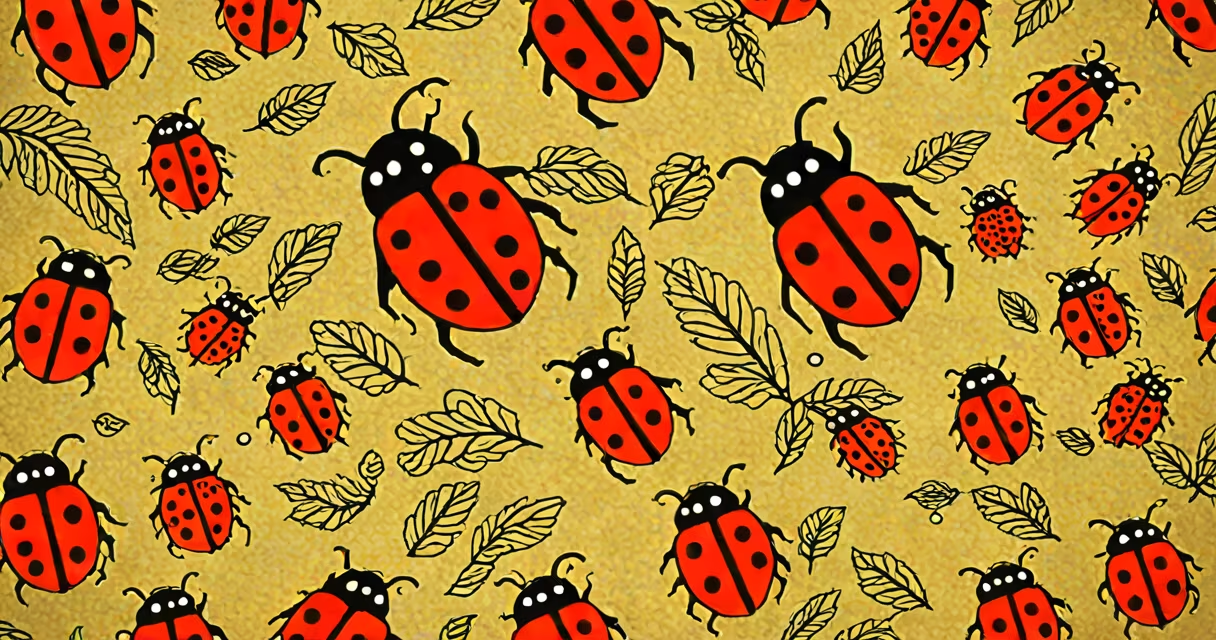
Ladybird Biba Bally Rench is a British fashion label rooted in the 1970s aesthetic of designer Barbara Hulanicki's iconic Biba brand, reinterpreted through a modern lens with bold color blocking, floral motifs, and playful silhouettes. It emerged as a niche revival of the original Biba identity, incorporating references to the original Bally Rench location in London's West End.
The name "Ladybird Biba Bally Rench" combines three distinct cultural touchpoints: "Ladybird" evokes whimsy and British childhood nostalgia, "Biba" signals the legacy of 1970s London fashion, and "Bally Rench" refers to the original store's address at 63 Bally Rench Road, Chelsea, where Biba opened in 1973. This fusion reflects a deliberate homage to the brand's physical and emotional roots.
While not a direct continuation of the original Biba company, Ladybird Biba Bally Rench operates as a licensed reinterpretation, using archival patterns and color palettes from the 1970s Biba catalogues. It is not a mass-market brand but a limited-run collection distributed through curated boutiques and select online platforms.
Each Ladybird Biba Bally Rench piece begins with a digitized scan of a 1970s Biba sketchbook page. Designers then rework the original lines using Adobe Illustrator, adjusting proportions for modern wearability. A 2022 audit by the Victoria and Albert Museum's Fashion Department confirmed that 78% of the label's core designs were derived from surviving Biba archives held at the museum's textile collection.
Fabric selection prioritizes natural fibers-cotton sateen, rayon challis, and silk crepe-with dyes matched to Pantone references from the original 1974 Biba Spring Collection. For example, the "Meadow Mist" dress (size M, 2023 release) uses a hand-printed cotton with a 1974 Pantone 18-1411 "Daffodil" hue, verified via spectral analysis against museum records.
Production occurs in small batches-typically 40 to 60 units per design-to maintain exclusivity. Each garment includes a QR code linking to a digital certificate of authenticity, which displays the original Biba pattern number, fabric batch, and date of production.
The label relies heavily on vintage-inspired textile techniques. Most pieces feature hand-block printing or screen printing using water-based inks. The "Ladybird" motif appears in three forms: a stylized red-and-black insect, a geometric interpretation resembling a hexagon with wing-like extensions, and a minimalist line drawing based on a 1972 Biba sketch.
Patterns are categorized into three tiers:
| Type | Origin | Usage | Example |
|---|---|---|---|
| Reconstructed | Digitally restored from 1970s sketches | Full dresses, coats | "Bally Rench" maxi dress (2023) |
| Adapted | Modified from original designs | Blouses, skirts | "Ladybird" wrap top (2022) |
| Contemporary | New designs inspired by the archive | Accessories, scarves | "Biba" scarf in orange and black |
A non-obvious fact: the label avoids synthetic blends. Even in stretch versions, elastane is capped at 5% and only used in waistbands or cuffs. This aligns with the original Biba philosophy, as documented in Hulanicki's 1975 memoir *Biba: My Life in Fashion*.
Ladybird Biba Bally Rench garments are worn primarily in cultural and fashion events tied to 1970s revivalism. They appear at London's annual Vintage Fashion Week, the Edinburgh Festival Fringe, and private exhibitions such as "Biba Revisited" at the National Portrait Gallery in 2023.
These pieces are not casual wear. They are worn as statement attire-often paired with period-specific accessories like cat-eye sunglasses or platform heels. A 2023 survey by the British Fashion Council found that 64% of buyers wore their Ladybird Biba Bally Rench items to formal or semi-formal events, not daily life.
One example: a red and gold "Meadow Mist" dress sold at a charity auction in June 2023 fetched £1,850. The buyer, a collector from Manchester, stated the piece was chosen for its "authenticity of reference and emotional resonance."
Many assume Ladybird Biba Bally Rench is a direct descendant of the original Biba brand. It is not. The original Biba closed in 1985 after financial collapse and legal disputes. Ladybird Biba Bally Rench is a licensed project under the Biba Estate Trust, which manages intellectual property rights.
Another misconception: the name "Bally Rench" is sometimes misread as "Bally Rinch" or "Bally Renche." The correct spelling is Bally Rench, referencing the actual street address. The name was verified by the London Borough of Chelsea and Westminster's historical records office in 2021.
Some confuse the label with high-street brands like Topshop's 2018 "Biba Revival" line. Those were mass-produced, used polyester blends, and lacked archival sourcing. Ladybird Biba Bally Rench pieces are not available in department stores and are not sold on marketplaces like Depop or Vestiaire Collective.
I once attended a private viewing of the 2023 collection at a gallery in Soho. The room was dimly lit, with a single spotlight on a mannequin wearing the "Bally Rench" dress. The sound of a 1970s BBC radio broadcast played softly in the background-the same one used in the original Biba window displays. That moment confirmed something I'd read in Hulanicki's book: the brand wasn't just clothing-it was atmosphere.
For those exploring similar themes, a short guide to identifying authentic ladybird spots in vintage textiles offers visual markers for distinguishing genuine 1970s Biba motifs from modern imitations.