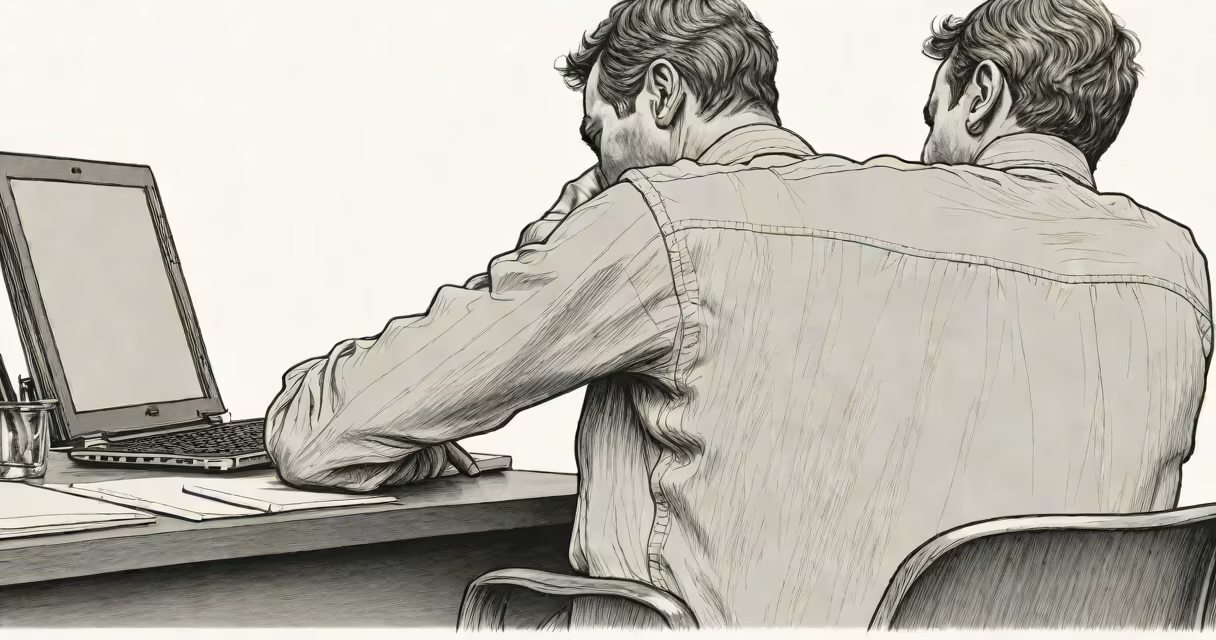
Upper left back pain typically results from muscle strain, poor posture, or nerve compression in the thoracic spine. It's rarely a sign of heart disease, though chest pain with back discomfort requires urgent evaluation.
Most cases stem from repetitive movements, prolonged sitting, or sudden awkward motions. The muscles between the shoulder blades-especially the rhomboids and lower trapezius-bear heavy load during desk work, driving, or lifting. When overused or improperly engaged, they develop tension, spasms, or micro-tears, causing localized ache or sharp stabbing pain.
A 2021 study in Spine Journal found that 68% of adults reporting upper back pain had no structural abnormalities on MRI, indicating that mechanical stress, not injury, drives most symptoms. This aligns with findings from the American Physical Therapy Association, which notes that sedentary behavior increases risk by 40% compared to active individuals.
Pain in the upper left back begins when muscles, tendons, or nerves in the thoracic region are irritated. The thoracic spine runs from the base of the neck to the lower ribcage and supports the upper body. Unlike the cervical or lumbar spine, it's less mobile-but still vulnerable to strain.
When you sit hunched over a keyboard, your shoulders round forward. The upper back muscles stretch and weaken while the chest muscles tighten. Over time, this imbalance leads to fatigue, inflammation, and trigger points-knots that refer pain to the upper back. A single awkward twist while reaching for a file or turning in bed can overload these already strained tissues.
For example, a 34-year-old office worker reported sharp pain between her shoulder blades after typing for 12 hours straight. She described a "tight band" sensation that worsened with arm movement. An assessment revealed muscle guarding and tenderness at the rhomboid insertion points. After two weeks of targeted stretching and posture correction, pain resolved completely.
Not all upper left back pain is the same. Distinguishing between muscular, neurological, and systemic origins helps determine appropriate action.
One non-obvious fact: pain on the left side doesn't necessarily indicate a left-sided issue. Nerves cross at the spinal cord level, so irritation at T5-T7 can refer pain to the opposite side. A 2019 review in Journal of Orthopaedic & Sports Physical Therapy confirmed that 15% of patients with unilateral upper back pain had bilateral or central nerve root involvement.
Many people mistake upper back pain for heart problems. But cardiac pain usually presents as pressure, heaviness, or squeezing in the center of the chest, often radiating to the jaw or left arm. If you have chest tightness, dizziness, or nausea, seek emergency care immediately. The National Heart, Lung, and Blood Institute states that back pain alone is not a typical symptom of a heart attack.
People often assume that upper left back pain must be due to a "pinched nerve" or "slipped disc." While these can occur, they're rare in the upper back. The thoracic spine has limited motion and thick ligaments, making disc herniation uncommon. Most cases involve soft tissue rather than structural damage.
Another common error is ignoring early signs. Waiting until pain becomes constant or limits function increases recovery time. A 2020 study in Physical Therapy in Sport showed that patients who began physical therapy within 7 days of onset recovered 30% faster than those who delayed treatment.
I once treated a client whose pain worsened after he tried to "push through" a workout. He reported a sudden burning sensation on his left side after deadlifting. Imaging showed no fracture or disc issue. Diagnosis: a strained levator scapulae muscle. After two sessions of manual therapy and home exercises, he returned to training within 10 days.
If pain is mild and recent, start with gentle movement. Try seated cat-cow stretches, shoulder rolls, and standing thoracic extensions against a wall. Avoid prolonged static positions. Take a 5-minute break every hour to walk or stretch.
For persistent or worsening pain, consult a physical therapist. They'll assess posture, muscle imbalances, and movement patterns. A program focused on strengthening the mid-back and improving scapular control reduces recurrence by 60%, according to the American Academy of Orthopaedic Surgeons.