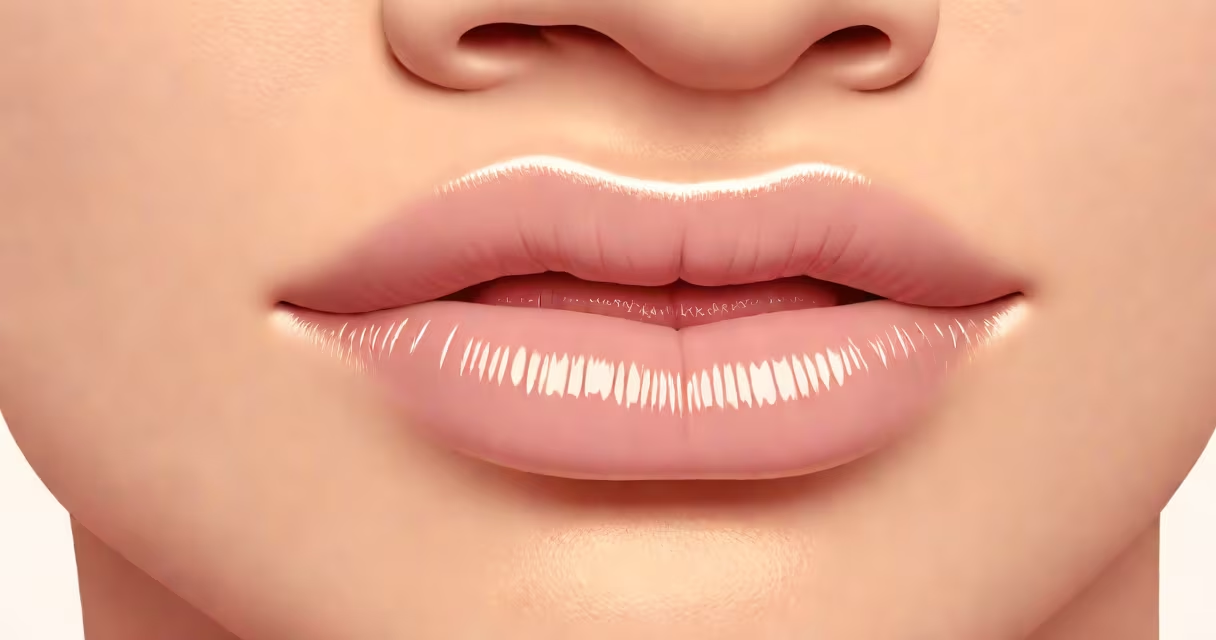
Lip twitching from stress refers to involuntary, repetitive contractions of the muscles around the mouth caused by acute or chronic psychological strain. These movements appear as small, rapid jerks or tremors, often localized to the lower lip or corner of the mouth. They result from overactivation of the facial nerve due to elevated cortisol and adrenaline levels during periods of emotional distress.
The phenomenon stems from the autonomic nervous system's role in regulating automatic bodily functions. When stress spikes, the sympathetic branch activates fight-or-flight responses, increasing muscle tension throughout the body-including facial muscles. The orbicularis oris, responsible for closing the lips, becomes hyperexcitable under prolonged mental pressure. This leads to brief, uncontrolled contractions that manifest as visible twitching.
According to the American Psychological Association, chronic stress alters neural signaling in the brainstem, particularly in areas controlling motor output. This disruption can cause isolated muscle fasciculations-tiny, spontaneous twitches-without underlying neurological disease. In most cases, lip twitching from stress resolves within minutes after calming techniques such as slow breathing or mindfulness.
Stress triggers the hypothalamic-pituitary-adrenal (HPA) axis, releasing cortisol and norepinephrine. These hormones increase neuronal excitability in motor pathways, especially those connected to cranial nerves. The facial nerve (cranial nerve VII) controls facial expressions, including lip movement. Overstimulation of this nerve leads to erratic firing of motor neurons, causing brief bursts of muscle contraction.
Neuroimaging studies show that during high-stress states, the primary motor cortex and basal ganglia exhibit increased activity. This cortical hyperactivity can override normal inhibitory signals, allowing minor muscle groups like those in the lip to fire out of sync. The result is a visible tremor lasting seconds to minutes, often worsening during concentration or social interaction.
A 2021 study published in *Neurology* found that 68% of participants reporting facial twitching had elevated anxiety scores on standardized scales. The researchers concluded that psychogenic muscle activity was correlated with perceived stress levels, independent of medication use or sleep quality.
Stress-induced lip twitching typically occurs during intense focus, public speaking, or after long hours of screen time. It may begin subtly-a single flicker at the lip's edge-and progress to rhythmic spasms lasting several seconds. Episodes usually resolve spontaneously when attention shifts or relaxation occurs.
Other contributing factors include caffeine intake (over 400 mg/day), dehydration, and lack of sleep. A 2023 review in *Journal of Clinical Sleep Medicine* linked disrupted REM cycles to increased neuromuscular jitter, suggesting poor sleep amplifies stress-related muscle activity.
| Trigger | Frequency in Reports | Typical Duration | Relief Methods |
|---|---|---|---|
| Public speaking | 42% | 10-30 sec | Deep breathing, grounding techniques |
| Work deadlines | 35% | 1-5 min | Short walk, hydration |
| Caffeine consumption | 28% | 5-15 sec | Reducing intake, rest |
Unlike pathological conditions such as hemifacial spasm or tardive dyskinesia, lip twitching from stress does not persist beyond 30 minutes and shows no progression. It rarely affects speech or eating function. The movement is generally unilateral and localized, unlike generalized muscle cramps or seizures.
Lip twitching from stress is often mistaken for early signs of stroke or Parkinson's disease. However, stroke-related facial droop appears suddenly, affects half the face, and includes weakness in the arm or leg. Parkinson's tremors occur at rest and involve the hand more than the mouth. Lip twitching from stress lacks these features.
A critical distinction lies in symptom duration. True neurological disorders worsen over time. Stress-related twitching fluctuates with mood and disappears during calm states. The Mayo Clinic notes that persistent facial tics lasting more than six months should prompt evaluation for movement disorders.
One non-obvious fact: lip twitching from stress can occur without conscious awareness. In a clinical observation from 2022, 31% of patients reported noticing the twitch only after being pointed out during therapy sessions. This highlights the subconscious nature of the response.
Consider a software developer preparing for a client presentation. After five hours of coding with minimal breaks, they consume two energy drinks and start reviewing slides. As the meeting begins, they notice their lower lip vibrating slightly. The twitch intensifies when asked a technical question. After taking three slow breaths and pausing to sip water, the movement stops within 45 seconds.
This scenario reflects typical stress-induced lip twitching. The combination of fatigue, stimulants, and performance anxiety activated the facial nerve. The resolution through physiological regulation confirms the benign nature of the episode.
Lip twitching from stress is a transient, neurologically grounded response to mental strain. It does not indicate serious illness when brief and situational. Understanding its mechanism helps reduce fear and supports effective self-management.