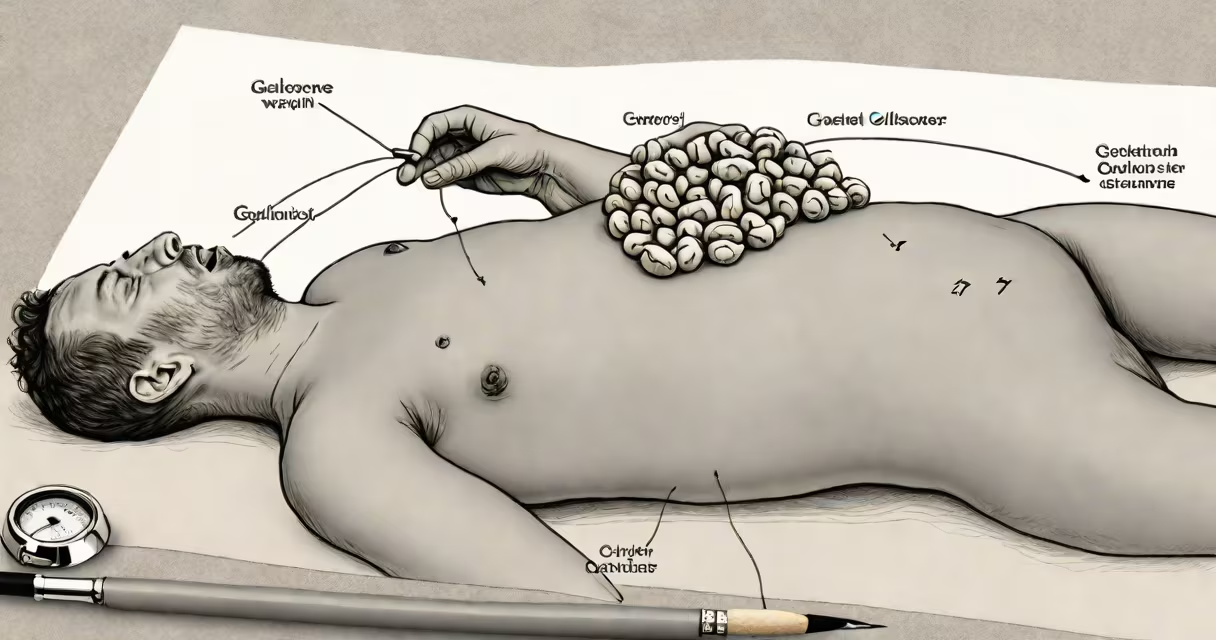
Gallstones can lead to unintentional weight loss by reducing appetite, impairing fat digestion, and causing chronic pain that limits food intake. This occurs when stones block bile flow or trigger inflammation in the gallbladder.
Gallstones form when cholesterol, bilirubin, or calcium salts crystallize in the gallbladder. They're common - affecting about 10-15% of adults in the U.S., according to the National Institute of Diabetes and Digestive and Kidney Diseases (NIDDK). Not all cause symptoms, but when they do, weight loss may follow due to altered eating patterns and digestive disruption.
Weight loss from gallstones is typically mild to moderate - often 5-10 pounds over weeks or months - and results from reduced caloric intake rather than metabolic changes. It's not a sign of cancer or autoimmune disease, but it can signal underlying issues requiring medical evaluation.
When gallstones obstruct the cystic or common bile duct, bile cannot reach the small intestine. Bile is essential for breaking down dietary fats. Without it, fat digestion becomes inefficient, leading to steatorrhea - greasy, floating stools that indicate malabsorption.
Malabsorption reduces calorie and nutrient uptake. Over time, this contributes to unintended weight loss. A 2021 study in *Gastroenterology & Hepatology* found that patients with symptomatic gallstone disease lost an average of 7.3 pounds over six months compared to controls, even without dieting.
Pain also plays a role. Gallbladder attacks - sudden, intense pain in the upper right abdomen - often occur after meals, especially fatty ones. The discomfort discourages eating. Some people avoid food altogether to prevent episodes, creating a cycle of reduced intake and weight decline.
There are three main types of gallstones, each with different origins and effects on digestion:
| Type | Composition | Prevalence | Link to weight loss |
|---|---|---|---|
| Cholesterol stones | Cholesterol-rich, pale yellow | ~80% of cases | Most common cause of impaired fat digestion and weight loss |
| Pigment stones | Bilirubin-based, dark brown or black | ~20% | More likely in people with liver disease or hemolytic anemia; associated with chronic inflammation and poor appetite |
| Calcium-based stones | Calcium salts in a matrix | Rare | Less likely to cause weight loss unless large or obstructing |
Cholesterol stones are most frequently linked to weight loss because they disrupt bile composition and flow. Pigment stones are less common but still capable of triggering prolonged nausea and loss of appetite, especially in individuals with underlying conditions like sickle cell disease.
A non-obvious fact: gallstones don't always cause pain. Up to 80% of people with gallstones remain asymptomatic, per the American Gastroenterological Association. Weight loss only occurs when symptoms develop - making it a secondary effect, not a primary feature.
People often assume weight loss from gallstones is intentional or due to dieting. But it's usually unintentional and tied to physical discomfort. A 2020 review in *The Lancet Gastroenterology & Hepatology* noted that nearly 40% of patients reporting unexplained weight loss had undiagnosed gallstone disease.
Confusion arises when weight loss is attributed to stress or anxiety. While psychological factors can reduce appetite, gallstone-related weight loss stems from physiological mechanisms - bile obstruction, inflammation, and malabsorption.
Red flags include persistent right upper quadrant pain, jaundice (yellowing of skin or eyes), fever, or clay-colored stools. These suggest complications like cholangitis or pancreatitis. If weight loss exceeds 10 pounds in two months with these signs, seek immediate care.
In a 2019 case report published in *BMJ Case Reports*, a 54-year-old woman presented with 12-pound weight loss over four months, fatigue, and intermittent right upper quadrant pain. She reported avoiding meals due to nausea. Ultrasound revealed multiple gallstones, including one blocking the common bile duct.
After laparoscopic cholecystectomy (gallbladder removal), her appetite returned within days. She regained 8 pounds over eight weeks without changing her diet. Her weight stabilized at baseline levels. The report concluded that symptom resolution led to normalized eating behavior and weight recovery.
This case illustrates that weight loss from gallstones is reversible upon treatment. It's not a permanent metabolic change - it's a response to functional impairment.
If weight loss accompanies abdominal pain, bloating, or changes in stool color, consult a gastroenterologist. Diagnosis involves ultrasound, blood tests (elevated bilirubin or liver enzymes), and sometimes MRI or CT scans.
Treatment depends on severity. Asymptomatic stones may require no action. Symptomatic cases often need surgical removal of the gallbladder - a safe procedure performed in over 700,000 U.S. patients annually, according to the American Society for Gastrointestinal Endoscopy.
After surgery, most patients adapt well. Fat digestion remains possible because the liver continues producing bile, which flows directly into the small intestine. However, some experience temporary diarrhea or bloating after high-fat meals - a condition called postcholecystectomy syndrome.
For those who cannot undergo surgery, medications like ursodeoxycholic acid may dissolve small cholesterol stones over months. But success rates are low - around 30% - and recurrence is common.
Some patients confuse gallstone symptoms with irritable bowel syndrome (IBS) or functional dyspepsia. But gallstones produce distinct pain patterns - often after eating, radiating to the back or shoulder, and lasting hours. IBS pain is more variable and often relieved by bowel movements.
Finally, while "amble weight loss" sounds like a medical term, it's not. There is no recognized condition by that name. The phrase may result from confusion with "ambulatory weight loss," which refers to weight reduction during daily activity - a normal process, not a diagnosis.
Understanding the root cause of weight loss is critical. Gallstones contribute indirectly - through pain, nausea, and malabsorption - not by altering metabolism. Addressing the underlying issue restores appetite and stabilizes weight.
Yes, gallstones can cause weight loss. But it's not a sign of something worse - it's a warning sign of a treatable condition. Early diagnosis and intervention prevent complications and support recovery.