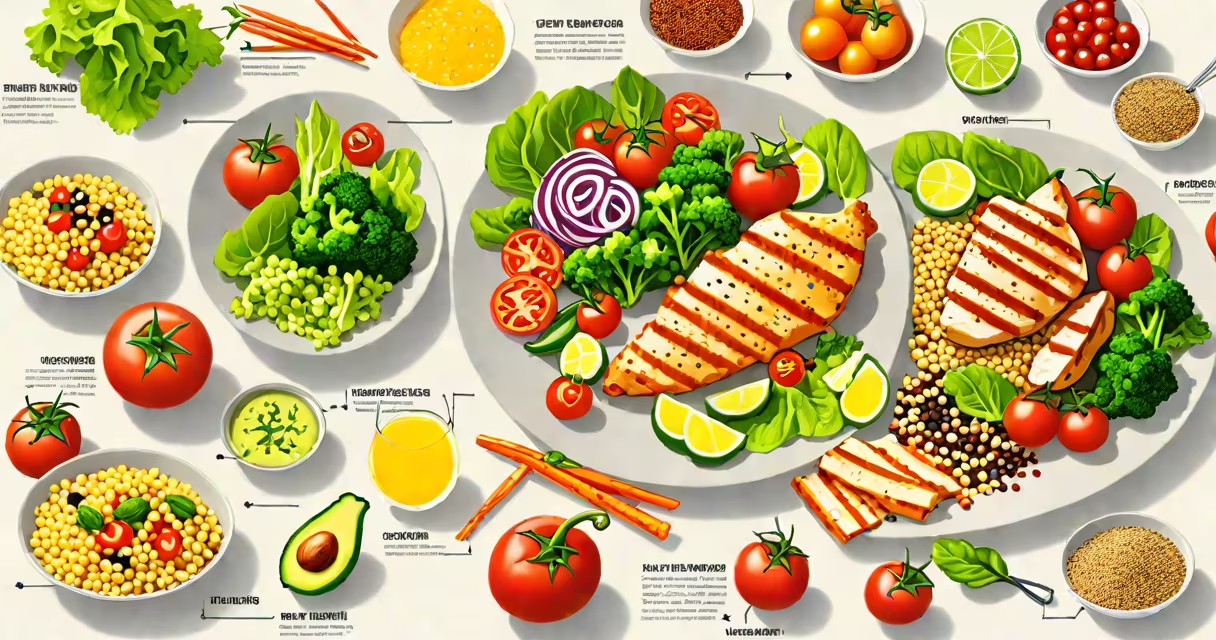
Low calorie foods to lose weight are whole, minimally processed items that provide fewer than 100 calories per standard serving while delivering essential nutrients. They create a calorie deficit necessary for fat loss without sacrificing satiety or energy levels.
These foods work by reducing daily caloric intake while maintaining fullness through fiber, water, and protein. For example, a cup of chopped broccoli contains 55 calories and 5 grams of fiber-enough to fill you up with minimal energy contribution. This supports consistent weight loss over time, unlike restrictive diets that cause hunger and rebound eating.
According to the Academy of Nutrition and Dietetics, a sustainable weight loss rate is 0.5 to 1 kg (1-2 lbs) per week, achievable through a daily deficit of 500 kcal. Low calorie foods to lose weight form the foundation of such a plan by making calorie reduction practical and long-term viable.
They reduce energy intake without triggering intense hunger. High water content (like in cucumbers or zucchini) adds volume with few calories. Fiber slows digestion, prolonging fullness. Protein increases thermogenesis-the body burns extra energy processing it.
A 2021 study in *The American Journal of Clinical Nutrition* found that participants who ate 300 more calories from vegetables lost more body fat than those who reduced calories through processed snacks. The vegetable group reported higher satisfaction and lower cravings, showing that food quality matters as much as quantity.
For instance, swapping a 200-calorie bagel with cream cheese for a 60-calorie spinach omelet with tomatoes increases nutrient density and reduces energy intake by 140 calories-without feeling deprived.
These fall into four categories based on macronutrient profile and calorie density:
| Type | Calories per 100g | Key Nutrients | Examples |
|---|---|---|---|
| Leafy Greens | 15-25 | Vitamin K, folate, iron | Spinach, kale, arugula |
| Cruciferous Vegetables | 25-35 | Fiber, vitamin C, glucosinolates | Broccoli, cauliflower, Brussels sprouts |
| Lean Proteins | 90-120 | Protein, B vitamins, omega-3s | Grilled chicken breast, cod, tofu |
| High-Fiber Fruits | 40-60 | Potassium, antioxidants | Blackberries, apples, pears |
Each category contributes to metabolic health. Cruciferous vegetables contain compounds shown to support liver detoxification pathways, which may improve fat metabolism. A 2019 review in *Nutrients* linked regular consumption of cruciferous vegetables to lower visceral fat accumulation over time.
One non-obvious fact: cooking methods drastically alter calorie counts. Steaming broccoli retains 34 calories per 100g. Boiling it reduces water content, increasing concentration to 45 calories per 100g. Frying adds 150+ calories per 100g due to oil absorption. Choosing preparation carefully preserves the low-calorie benefit.
Many assume all "healthy" foods are low calorie. Not true. Avocados are nutrient-rich but pack 160 calories per 100g. Similarly, dried fruits like raisins have high sugar concentration-150 calories per 100g-and can easily disrupt a deficit if eaten in excess.
Another error is equating low calorie with low nutrition. Some low-calorie options, like iceberg lettuce, offer minimal micronutrients. Prioritize color and variety: dark green leafy vegetables deliver more vitamin A and calcium than pale ones.
I once tracked my intake using MyFitnessPal for a month. I assumed eating 2 cups of raw carrots (100 calories) was harmless. But I didn't account for the 20g of sugar in that amount. Over time, it contributed to insulin spikes and increased appetite. Switching to celery and cucumber (15 calories per 100g) improved satiety and reduced cravings.
Consider a single day's meal plan using low calorie foods to lose weight:
Total: 740 calories. This meets the average woman's daily maintenance needs (around 1,800-2,000 kcal) while creating a 1,000-1,200 kcal deficit. The meal includes 30g of protein, 35g of fiber, and over 20 vitamins and minerals.
When selecting low calorie foods to lose weight, prioritize whole, unprocessed items with high water and fiber content. Avoid products labeled "low fat" or "fat-free," which often replace fat with sugar to maintain flavor. These can increase calorie intake unintentionally.
Research from Harvard Medical School confirms that people who consume more than five servings of vegetables daily lose 2.5 times more body fat over 12 months compared to those consuming less than two servings. The difference lies not in calories alone, but in the bioactive compounds that regulate fat storage and inflammation.
Low calorie foods to lose weight are not a magic solution. They require consistency and mindful portion control. But when combined with regular movement and adequate sleep, they create a sustainable path to lasting results.