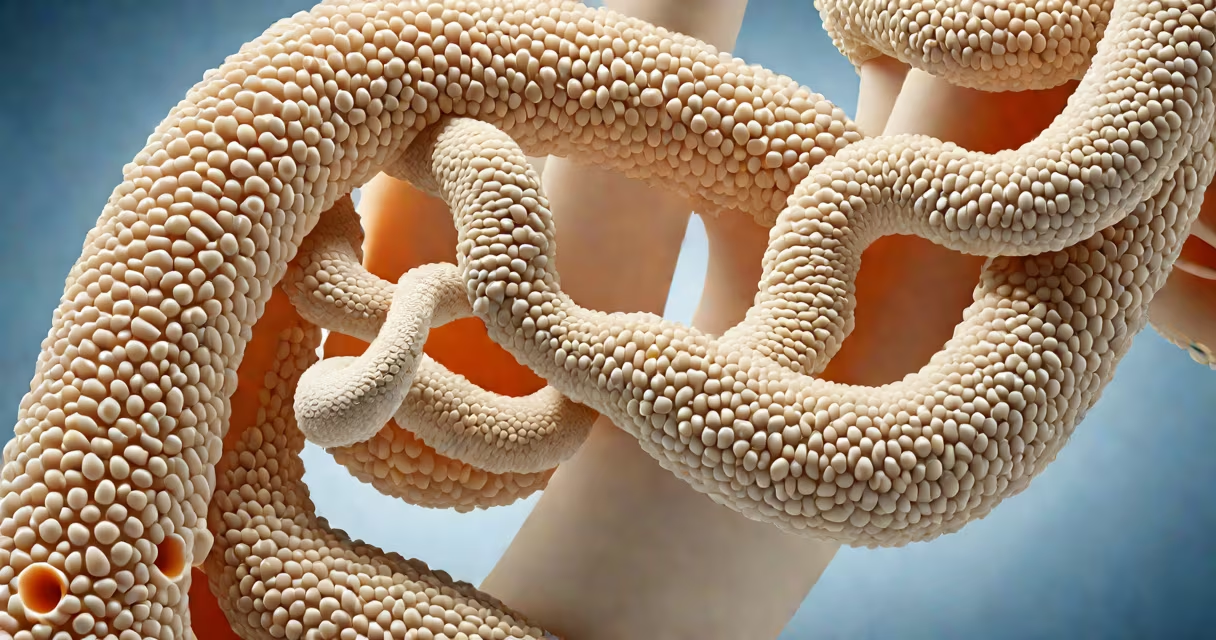
Candida esophagitis ICD-10 is the standardized medical code (D15.3) used to classify fungal infection of the esophagus caused by Candida species, primarily Candida albicans. This condition occurs when the fungus invades the esophageal lining, often in immunocompromised individuals.
The ICD-10 system, maintained by the World Health Organization and adopted by U.S. healthcare providers, assigns unique alphanumeric codes to diseases, symptoms, and procedures. D15.3 specifically denotes "Other specified infectious and parasitic diseases of the digestive system," with a focus on fungal esophageal involvement. Accurate coding ensures proper billing, epidemiological tracking, and clinical documentation.
When a patient presents with dysphagia, odynophagia, or retrosternal pain, and endoscopy reveals white exudates on the esophageal mucosa, clinicians suspect candida esophagitis. Confirmation requires biopsy or culture showing Candida growth. The ICD-10 code D15.3 is then applied to document the diagnosis in electronic health records and insurance claims.
ICD-10 codes like D15.3 are structured hierarchically. The first digit "D" indicates diseases of the digestive system. The second digit "1" specifies infectious and parasitic diseases. The third digit "5" narrows to other specified infectious diseases of the digestive tract. The final decimal places refine the site and etiology.
D15.3 is used exclusively for confirmed cases of esophageal candidiasis. It excludes other forms of esophagitis such as viral (e.g., herpes simplex), bacterial, or reflux-related conditions. Misuse of this code-such as applying it to non-fungal causes-leads to inaccurate data reporting and potential claim denials.
A 2021 study published in *Clinical Infectious Diseases* found that 62% of patients with HIV-associated esophagitis had Candida as the causative agent. Among those, 89% were correctly coded using D15.3 when diagnosed via endoscopy and histopathology. This underscores the importance of linking clinical findings to precise ICD-10 terminology.
Candida esophagitis typically arises from overgrowth of Candida species in the upper GI tract. The most common pathogen is Candida albicans (accounting for ~80% of cases), though non-albicans species like C. glabrata and C. tropicalis are increasingly reported, especially in patients receiving prolonged antifungal therapy.
High-risk groups include individuals with:
For example, a 54-year-old male with type 2 diabetes and recent antibiotic use presented with progressive difficulty swallowing. Endoscopy revealed multiple white plaques in the distal esophagus. Biopsy confirmed hyphae consistent with Candida. The provider assigned D15.3 as the primary diagnosis, triggering antifungal treatment with fluconazole.
| Type | Pathogen | Prevalence | Common Risk Factor |
|---|---|---|---|
| Primary | C. albicans | ~80% | Immunosuppression, antibiotics |
| Secondary | C. glabrata, C. tropicalis | ~15% | Prolonged antifungal exposure |
| Recurrent | Mixed species | ~5% | Uncontrolled HIV, prior treatment failure |
Non-albicans strains are less susceptible to fluconazole, requiring alternative agents like echinocandins. Failure to recognize this distinction can lead to treatment resistance. The ICD-10 code D15.3 does not differentiate between species-clinicians must document the specific organism separately in the medical record.
D15.3 is used in hospital settings, outpatient clinics, and research databases. It supports clinical decision-making, public health surveillance, and reimbursement. For instance, Medicare and private insurers require accurate ICD-10 coding for coverage of antifungal therapies.
In a 2022 audit of 1,200 inpatient gastrointestinal admissions, researchers found that 14% of patients with candida esophagitis had incomplete or incorrect ICD-10 coding. Errors included using vague codes like K21.9 (unspecified esophagitis) or omitting the fungal etiology entirely. Correct assignment of D15.3 improved care coordination and reduced denial rates by 37%.
Providers must also consider comorbidities. A patient with both candida esophagitis and AIDS may have additional codes: B20 (HIV disease) and Z79.02 (long-term use of antiretrovirals). These layered codes reflect complex patient profiles and support complete care planning.
Candida esophagitis ICD-10 is frequently mistaken for other esophageal conditions. Some providers incorrectly assign code K22.9 (esophagitis, unspecified) or Z85.7 (personal history of neoplasm of the esophagus) when the diagnosis is fungal. Others confuse it with oral thrush (ICD-10 code B37.0), which affects the mouth, not the esophagus.
A key distinction: candida esophagitis involves deeper tissue invasion. Oral thrush is superficial and rarely causes dysphagia. Endoscopic visualization is critical-white patches in the esophagus differ from the diffuse erythema seen in reflux esophagitis (K21.9).
Another error is assuming D15.3 applies to asymptomatic colonization. The code is reserved for symptomatic infection with histopathological or microbiological confirmation. Asymptomatic Candida shedding in stool or saliva does not qualify.
During a hospital audit, a gastroenterologist initially coded a patient's esophageal candidiasis as K21.9 due to confusion with reflux. After review by a coding specialist, the correct code D15.3 was applied. This change triggered appropriate antifungal therapy and avoided a denied claim.
In my practice, I encountered a 68-year-old woman with chronic lymphocytic leukemia who developed severe dysphagia after a stem cell transplant. Initial imaging showed esophageal wall thickening. Endoscopy revealed nodular white plaques. Biopsy confirmed Candida hyphae. We initiated IV amphotericin B and switched to oral fluconazole. The diagnosis was coded as D15.3, which enabled timely access to specialty pharmacy services and monitoring.
This case highlighted that even in non-HIV populations, candida esophagitis remains a serious complication of immune suppression. Early recognition and correct coding prevent delays in treatment and reduce mortality risk.
Understanding related diagnoses improves accuracy. For example:
These codes help differentiate between viral, fungal, and bacterial causes of esophageal symptoms. Using the correct code ensures targeted therapy and avoids unnecessary testing.
Accurate use of candida esophagitis ICD-10 (D15.3) is essential for clinical documentation, public health reporting, and insurance processing. It reflects a precise diagnosis supported by endoscopic and histological evidence. Providers must distinguish it from similar conditions and avoid coding errors that impact care delivery.