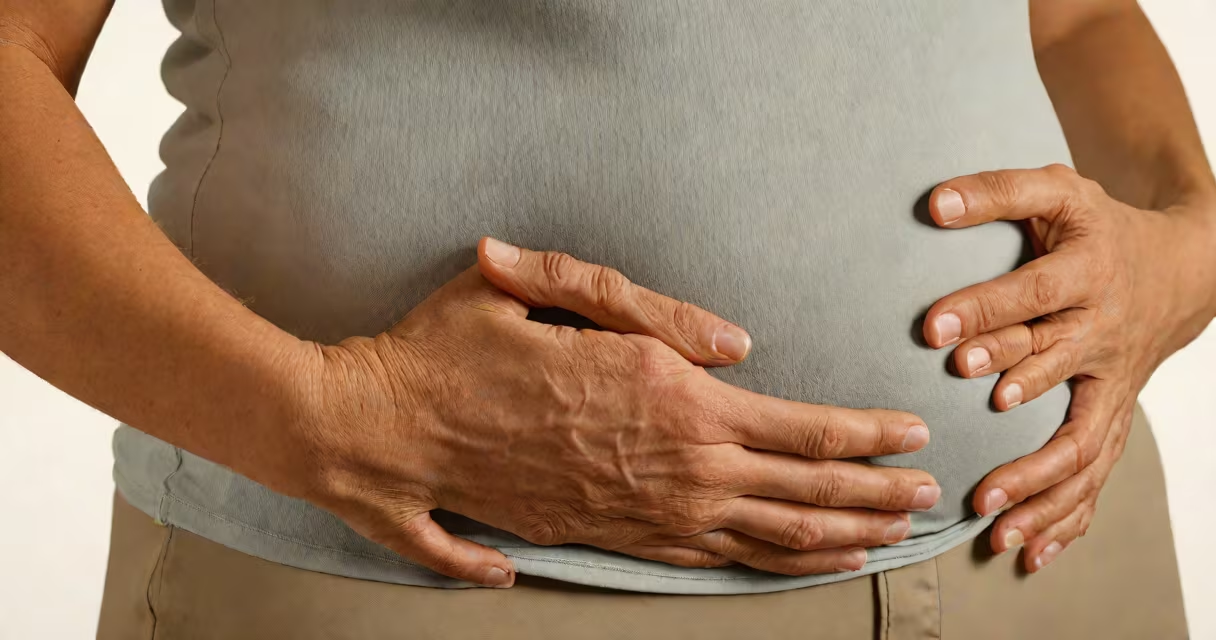
Lower abdominal pressure bloating describes a sensation of tightness, fullness, or pressure in the lower belly, typically due to trapped gas, constipation, or hormonal changes affecting digestion. It's distinct from generalized bloating and often localized below the navel.
This condition arises when gas accumulates in the intestines or when stool builds up in the colon, increasing intra-abdominal pressure. It may occur suddenly after eating or develop gradually during periods of stress or dietary change. While common, persistent or severe cases require medical evaluation to rule out underlying conditions.
According to the American College of Gastroenterology, functional gastrointestinal disorders such as irritable bowel syndrome (IBS) account for up to 70% of chronic bloating cases. Lower abdominal pressure bloating often falls under this umbrella, especially when accompanied by altered bowel habits.
The lower abdomen houses the descending colon, sigmoid colon, and rectum-sections responsible for storing and moving waste. When gas forms in the large intestine through bacterial fermentation of undigested carbohydrates, it expands the intestinal walls. This expansion triggers stretch receptors in the gut lining, sending signals to the brain that register as pressure or fullness.
Constipation further exacerbates the issue. A stool mass in the sigmoid colon can obstruct normal movement, leading to increased pressure and distension. The body may respond with cramping or the urge to defecate, even if no stool is present.
A 2021 study published in *Gut* found that individuals with IBS report higher visceral sensitivity-the perception of internal organ sensations-compared to healthy controls. This heightened awareness makes mild gas buildup feel like intense pressure, even when imaging shows no structural obstruction.
Lower abdominal pressure bloating stems from several root causes. The most frequent include:
Not all bloating is equal. Pressure bloating differs from puffiness or swelling. It's characterized by a firm, tense feeling rather than soft distension. For example, someone with SIBO may feel pressure in the lower abdomen after consuming dairy, while someone with constipation may notice pressure that eases only after a bowel movement.
Lower abdominal pressure bloating is often dismissed as harmless gas. But it can signal serious issues when paired with specific warning signs. These include:
One common misdiagnosis is attributing lower abdominal pressure to IBS without ruling out celiac disease. A 2019 review in *The Lancet Gastroenterology & Hepatology* reported that up to 10% of people with celiac disease present with bloating and abdominal pain-symptoms often mistaken for IBS.
Another error is assuming all bloating results from diet. A patient I treated had chronic lower abdominal pressure despite avoiding all known trigger foods. Further testing revealed a partial small bowel obstruction caused by adhesions from prior surgery. The pressure was not gas-related-it was mechanical.
Consider a 32-year-old woman who reports daily lower abdominal pressure that worsens after lunch. She eats a standard American meal: turkey sandwich on wheat bread, carrot sticks, and a banana. Her symptoms resolve after a bowel movement but return the next day. She has no history of IBS or food allergies.
Testing reveals normal blood work and negative celiac serology. A hydrogen breath test confirms lactose intolerance. After eliminating milk products and switching to gluten-free bread, her symptoms improve by 60% within two weeks. This illustrates how multiple factors-diet and lactose malabsorption-can combine to cause pressure bloating.
For comparison, a 45-year-old man with similar symptoms but no improvement after dietary changes undergoes a CT scan. The scan shows a 3 cm mass in the sigmoid colon. Biopsy confirms adenocarcinoma. His pressure bloating was not due to gas but tumor growth. Early detection improved his prognosis.
Initial management focuses on identifying triggers. Keeping a symptom diary tracking food intake, bowel movements, and pressure severity helps pinpoint patterns. The low-FODMAP diet, guided by a registered dietitian, reduces gas production in many cases.
For constipation-related pressure, increasing fiber intake to 25-30 grams daily and staying hydrated improves transit time. Laxatives like polyethylene glycol (Miralax) are effective for short-term relief. However, long-term reliance may lead to dependency.
When hormonal cycles contribute, birth control pills or progesterone blockers may reduce bloating. A 2022 randomized controlled trial in *Obstetrics & Gynecology* found that combined oral contraceptives reduced lower abdominal pressure in 68% of premenstrual women with bloating.
Consult a healthcare provider if bloating lasts longer than four weeks, worsens over time, or includes any red flag symptoms. Delaying evaluation increases the risk of missing treatable conditions like inflammatory bowel disease or colorectal cancer.
Lower abdominal pressure bloating is not a single diagnosis but a symptom complex. Understanding its origins-whether dietary, hormonal, or pathological-guides effective action. Addressing the root cause prevents unnecessary discomfort and potential complications.