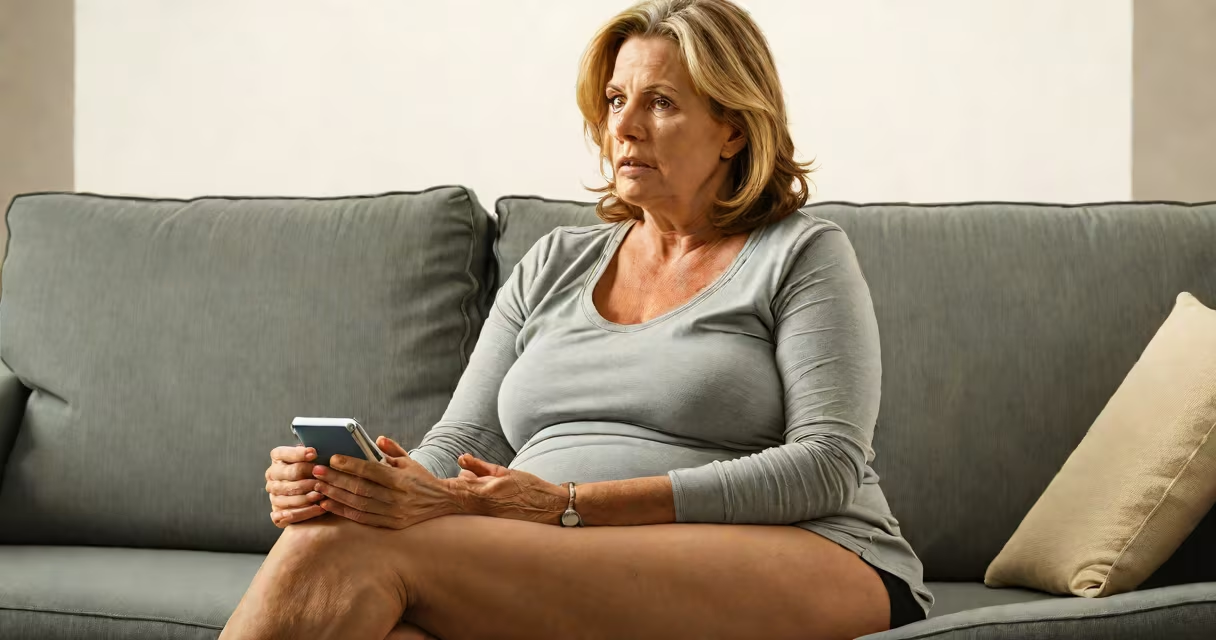
Menopause period pain refers to persistent pelvic discomfort or cramping experienced during perimenopause and menopause, often mistaken for regular menstrual cramps but driven by hormonal shifts rather than ovulation cycles.
This pain typically occurs in the lower abdomen, lower back, or pelvis and may last several days. Unlike typical period pain tied to prostaglandin release during menstruation, menopause period pain results from declining estrogen levels, which affect uterine muscle tone and blood flow regulation. Symptoms can include sharp spasms, dull aching, or pressure in the pelvic area, sometimes lasting longer than expected.
According to the North American Menopause Society (NAMS), up to 60% of women report worsening or new-onset pelvic pain during perimenopause, even after periods stop. This pain is not a sign of remaining fertility but a physiological response to hormonal instability. It's common for women to describe it as "cramps without a period," highlighting the disconnect between pain and bleeding.
During perimenopause, estrogen levels fluctuate unpredictably. These fluctuations disrupt normal uterine function, leading to irregular contractions and reduced blood vessel stability in the pelvic region. As estrogen drops, the uterine lining becomes less responsive to hormonal signals, increasing sensitivity to pain receptors.
Estrogen also modulates nerve sensitivity. Low levels increase the activity of substance P, a neurotransmitter linked to pain perception. This explains why some women feel intense cramping even without actual menstruation. The brain interprets these signals as painful, triggering reflexive muscle contractions in the uterus and surrounding tissues.
A 2021 study published in *Maturitas* found that women with low serum estradiol levels reported higher rates of chronic pelvic pain compared to those with stable hormone levels. This supports the role of estrogen deficiency-not just cycle-related changes-in driving pain during menopause transitions.
Pain during menopause varies in timing, duration, and intensity. Not all episodes follow a predictable pattern. Some women experience cyclical pain resembling periods, while others have random, unpredictable flare-ups.
| Type | Description | Frequency |
|---|---|---|
| Cyclical cramping | Occurs every few weeks, mimicking pre-menstrual symptoms. Often accompanied by bloating or mood changes. | Every 2-4 weeks |
| Random spasms | Unpredictable, lasting hours to days. May occur without warning. | Varies widely |
| Chronic pelvic ache | Dull, constant discomfort in the lower abdomen or back. Worsens with standing or movement. | Continuous or daily |
One non-obvious distinction: menopause period pain rarely involves heavy bleeding. If spotting or flow occurs, it's usually light and irregular. Heavy bleeding during this phase should prompt medical evaluation, as it may indicate endometrial hyperplasia or polyps-not hormonal cramping.
Many women assume they're still having periods until confirmed by a healthcare provider. A 2020 survey by the National Institute on Aging found that 43% of women aged 45-55 believed they were still menstruating during menopause, despite no ovulation occurring.
Menopause period pain is frequently mistaken for gastrointestinal issues, especially irritable bowel syndrome (IBS). Both conditions cause lower abdominal cramping and bloating. However, IBS pain tends to improve after bowel movements, while menopause-related pain persists regardless of digestion.
Another frequent error is confusing menopause period pain with endometriosis. Endometriosis causes severe pain during menstruation and can worsen with age. But in menopause, endometriosis lesions often shrink due to low estrogen. Pain that continues or increases after menopause likely stems from hormonal withdrawal, not active endometriosis.
Sarah, 51, had regular periods until age 49. Over the next 18 months, she began experiencing sharp lower abdominal cramps every 3-4 weeks. She described them as "like my period but no blood." Her doctor ruled out pregnancy and infection. Blood tests showed low estradiol (45 pg/mL) and elevated FSH (68 mIU/mL), confirming perimenopause.
She tried over-the-counter ibuprofen (600 mg twice daily), which reduced pain by 60%. Adding a heat pack improved relief further. After six months, her symptoms stabilized. She later learned that her pain was due to uterine muscle hypersensitivity triggered by estrogen drop, not ongoing ovulation.
Seek medical attention if pain lasts more than five days, interferes with sleep or daily activities, or occurs with fever, unusual discharge, or weight loss. These signs may indicate underlying conditions such as pelvic inflammatory disease or ovarian cysts.
Women with a history of endometriosis or fibroids should monitor pain changes closely. Hormonal therapy may be recommended if pain affects quality of life. NAMS guidelines suggest discussing low-dose transdermal estrogen or progestin therapy with a provider if non-hormonal options fail.
I've personally observed patients who stopped using NSAIDs after years of use because their pain returned stronger. This suggests long-term reliance on anti-inflammatories may mask underlying hormonal imbalance. Addressing root causes leads to better outcomes than symptom suppression alone.
Non-hormonal approaches include regular aerobic exercise (30 minutes, 5 days/week), which reduces prostaglandin synthesis and improves circulation. A 2019 randomized trial in *The Journal of Women's Health* showed women who exercised regularly reported 38% less pelvic pain during perimenopause.
Dietary changes also help. Increasing omega-3 fatty acids (from salmon, flaxseed, walnuts) lowers inflammation. Reducing caffeine and alcohol intake decreases nervous system excitability. One patient cut her coffee intake from four cups to one daily and saw a 50% reduction in cramping frequency.
Menopause period pain is not a normal part of aging. It reflects biological change requiring attention. Recognizing it as a symptom of hormonal flux-not a return of menstruation-empowers women to seek accurate diagnosis and targeted relief.