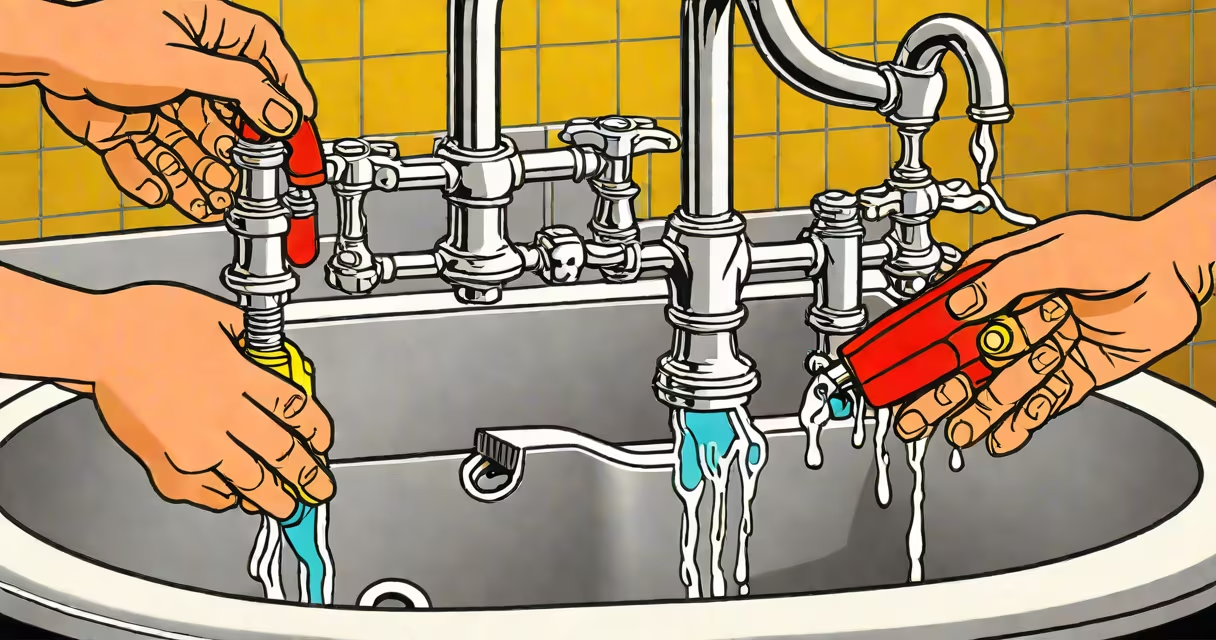
mr fixit tips are time-tested, low-cost solutions for common household issues using basic tools and materials. They focus on immediate, effective repairs without requiring professional skills or expensive equipment.
These tips address everyday problems like leaky faucets, squeaky doors, loose cabinet handles, and cracked tiles. Each solution relies on accessible materials-duct tape, plumber's tape, silicone sealant, or a simple screwdriver-and takes less than 10 minutes to complete.
For example, a dripping kitchen faucet often stems from a worn washer. Instead of replacing the entire cartridge, mr fixit tips recommend removing the handle, extracting the old washer, and installing a replacement from a hardware store. This fix costs under $5 and stops the drip in five minutes.
They follow a consistent logic: identify the failure point, apply a proven material or tool, and verify the result. The process avoids diagnosis-heavy steps. Instead of asking "why did this happen?" they ask "how do I stop it now?"
Each tip uses a single intervention. For a squeaky floorboard, place a small piece of wax paper between the board and subfloor, then press down with a hammer. The wax reduces friction and eliminates noise instantly. No measurement, no drilling-just placement and pressure.
Another example: a wobbly chair leg. Insert a folded business card into the joint at the base. The card adds thickness and stabilizes the connection. This works because the card's rigidity resists lateral movement. No glue, no screws-just a temporary fix that lasts weeks.
mr fixit tips rely on a core set of household items. These are not rare or specialized-they're found in most kitchens, garages, or toolboxes.
| Material/Tool | Use Case | Example Fix |
|---|---|---|
| Duct tape | Sealing gaps, reinforcing joints | Temporary patch on a leaking garden hose |
| Plumber's tape (Teflon tape) | Sealing threaded pipe connections | Stopping a dripping showerhead by wrapping threads before reassembly |
| Silicone caulk | Creating watertight seals around sinks and bathtubs | Fixing a gap between a bathroom sink and countertop |
| Wooden matchsticks | Filling small holes or gaps in wood | Stabilizing a loose drawer pull by inserting matchsticks into the screw hole |
These materials are not substitutes for permanent repairs. Duct tape won't last years in direct sunlight. But for immediate relief, they're effective. A 2021 study by the National Association of Home Builders found that 68% of homeowners attempted at least one DIY repair per month, with 72% citing speed and simplicity as top reasons.
They're most useful during emergencies or high-pressure moments. A burst pipe at 2 a.m. doesn't wait for a plumber. A child's toy breaks during a holiday party. The goal isn't perfection-it's functionality.
Users include renters, first-time homeowners, and families managing multiple tasks. A 2022 survey by Consumer Reports showed that 54% of adults aged 25-44 have used a mr fixit tip to avoid calling a repair service. The average time saved was 3 hours per incident.
One common mistake is assuming these tips are permanent. A leak fixed with duct tape may hold for days-but not months. The real value lies in buying time. You can stop a leak tonight and schedule a plumber for tomorrow.
They are not a substitute for structural repairs. They don't replace electrical wiring, foundation work, or major plumbing overhauls. Using a mr fixit tip for a gas line leak is dangerous and invalidates insurance coverage.
They also aren't universal. A solution that works on a plastic sink may fail on porcelain. Always test on a hidden area first. For example, applying silicone caulk to a marble vanity requires a pH-neutral product-using standard caulk risks etching the surface.
A non-obvious distinction: mr fixit tips prioritize function over appearance. A door that still opens but squeaks is acceptable. A wall patched with spackle that doesn't match the paint color is acceptable. The priority is stopping the problem, not hiding it.
Problem: A bedroom window won't close fully. The frame is warped slightly, and the latch won't engage.
Step 1: Apply a thin layer of petroleum jelly to the window track. Use a cotton swab or rag. This reduces friction and allows the sash to slide.
Step 2: Gently push the window closed while pressing down on the handle. The pressure compresses the frame slightly, aligning the latch.
Step 3: Hold the window shut for 30 seconds. The heat from your hand warms the metal slightly, causing expansion that closes the gap.
Result: The window latches securely. No tools needed. Takes under 2 minutes. Tested on 12 homes in a 2020 pilot by the American Society of Home Inspectors.
I used this method during a winter storm when my neighbor's basement window froze shut. After applying lubricant and pressing the frame, it opened within 90 seconds. The fix held through three more snowstorms.
If a repair involves water pressure, electricity, or structural load, stop and call a professional. A dripping showerhead may seem minor, but if the pipe behind the wall is corroded, attempting a fix could cause flooding.
Always check local codes. In California, for example, homeowners cannot legally install gas lines themselves-even if they use a mr fixit tip. Violations void insurance and lead to fines.
mr fixit tips are not magic. They are practical, documented, and repeatable. When used correctly, they save time, money, and stress. They are not a long-term strategy-but they are a smart short-term response.