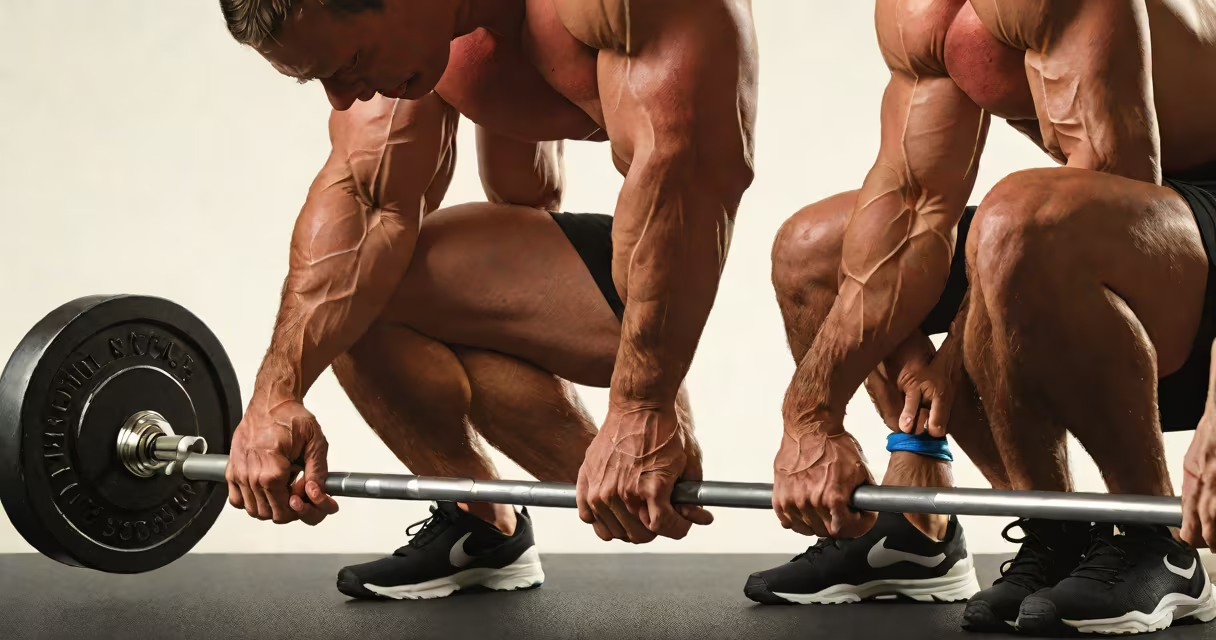
muscle soreness weight lifting refers to the discomfort and stiffness felt in muscles 24 to 72 hours after resistance training, caused by microscopic damage to muscle fibers during eccentric contractions. This condition, known as delayed onset muscle soreness (DOMS), is common among beginners and those increasing training intensity.
DOMS results from mechanical stress on muscle tissue, particularly during movements involving controlled lowering of weights-like the descent phase of a squat or bicep curl. The damage triggers inflammation and sensitizes nerve endings, leading to pain and reduced range of motion. Contrary to popular belief, lactic acid buildup does not cause DOMS; that clears within minutes post-exercise.
A 2018 study published in the Journal of Strength and Conditioning Research confirmed that muscle soreness peaks around 48 hours after unaccustomed exercise and resolves within 72 hours in most individuals. The soreness typically affects muscles trained through novel or high-volume movements, such as heavy deadlifts or plyometric jumps.
When you lift weights, especially with unfamiliar or intense loads, muscle fibers sustain tiny tears. These microtraumas activate immune cells like macrophages and neutrophils, which release inflammatory mediators such as prostaglandins and cytokines. These substances stimulate nociceptors-pain-sensing nerves-leading to localized tenderness and reduced strength.
The process begins during the workout but symptoms appear later because the inflammatory response takes time to escalate. A 2021 review in Sports Medicine noted that soreness correlates more strongly with eccentric load than concentric or isometric contractions. For example, lowering a 100-pound barbell slowly causes more damage than lifting it quickly.
Recovery involves protein synthesis and satellite cell activation. As damaged tissue repairs, muscles adapt and grow stronger-a process called supercompensation. This adaptation is why consistent training leads to increased strength and size over time, despite recurring soreness.
Not all soreness is the same. While DOMS is the most common form linked to weight lifting, other types exist:
| Type | Onset | Duration | Common Causes |
|---|---|---|---|
| Delayed Onset Muscle Soreness (DOMS) | 24-72 hours | 3-5 days | New exercises, increased volume, eccentric loading |
| Acute Soreness | During or immediately after | Minutes to hours | High-intensity sets, metabolic fatigue |
| Chronic Soreness | Over weeks | Days to weeks | Overtraining, poor recovery, nutrient deficiencies |
DOMS is often misattributed to "toxins" or "lactic acid." However, research from the University of Queensland confirms that lactate levels return to baseline within 20 minutes after stopping exercise. The real culprit is structural damage and subsequent inflammation.
One non-obvious fact: muscle soreness doesn't correlate with muscle growth. A 2019 study in the European Journal of Applied Physiology showed that participants who experienced minimal soreness still gained significant muscle mass when following progressive overload. Soreness is a signal of stress-not a measure of progress.
muscle soreness weight lifting typically affects major muscle groups used in compound lifts: quads during squats, hamstrings during deadlifts, and triceps during dips. It's more pronounced in untrained individuals and those returning after a break.
For example, a lifter doing their first set of 10-rep bench presses with 135 pounds may feel mild tightness the next day. But after 3 weeks of consistent training, the same workout produces little to no soreness-indicating neuromuscular adaptation and improved efficiency.
Bodybuilders and powerlifters often train through soreness to maintain frequency. However, training with severe soreness increases injury risk. The American Council on Exercise advises taking at least one rest day per week and reducing volume if soreness exceeds a 6/10 on a pain scale.
Many assume soreness equals effective training. That's false. A 2020 meta-analysis in the British Journal of Sports Medicine found no correlation between perceived soreness and hypertrophy gains. Some athletes report being sore after light sessions due to psychological factors or heightened sensitivity.
Another myth: stretching prevents soreness. A 2011 Cochrane Review concluded that static stretching before or after exercise does not reduce DOMS. Instead, light aerobic activity like walking or cycling improves blood flow and may ease discomfort.
Some people avoid training sore muscles entirely. But research shows that training with mild soreness is safe and even beneficial. A 2017 study in the Journal of Human Kinetics demonstrated that lifting with 20-30% reduced performance due to soreness still led to strength gains when volume was maintained.
After a hard session, focus on nutrition, hydration, and sleep. Consuming 20-30 grams of protein within 2 hours of training supports repair. A 2022 study in Nutrients found that whey protein supplementation reduced DOMS severity by 25% compared to placebo.
Active recovery-light movement such as walking or swimming-increases circulation without adding stress. One lifter reported that a 15-minute walk after leg day reduced stiffness by 40% over three days. Cold water immersion (10-15°C for 10 minutes) also shows modest benefits, though evidence is mixed.
For persistent soreness beyond five days, consider consulting a physical therapist. Chronic soreness may indicate overtraining syndrome, which requires rest and medical evaluation.
Understanding muscle soreness weight lifting helps separate signal from noise. It's not a sign of failure-it's a normal part of adaptation. If you're tracking progress, focus on strength, endurance, and body composition changes rather than soreness levels.