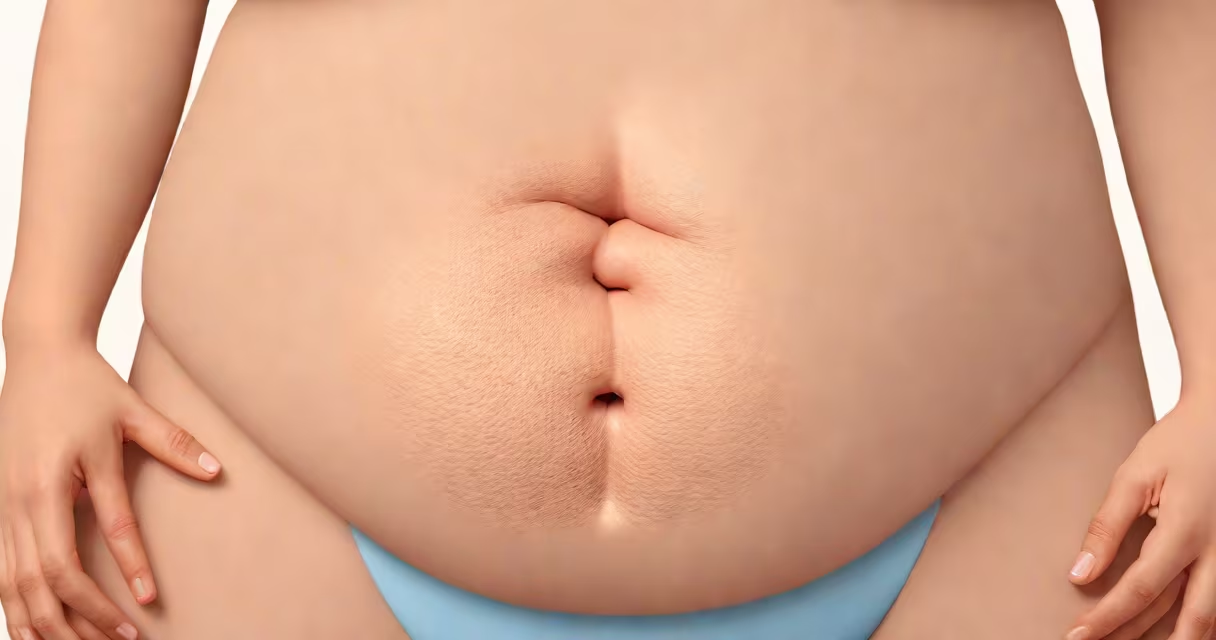
A hard, swollen abdomen indicates abnormal abdominal distension often due to fluid accumulation, organ enlargement, tumors, or intestinal blockage. This condition requires prompt medical evaluation to rule out life-threatening causes such as internal bleeding, cancer, or severe infection.
Abdominal hardness and swelling arise when pressure builds within the abdominal cavity. The sensation of firmness comes from stretched skin, tense muscles, or enlarged organs. Swelling may develop rapidly or over days. It is not normal to feel significant rigidity or bloating without a clear cause like recent eating or gas.
One patient reported waking with a visibly distended abdomen and a rigid feel, mistaking it for weight gain. After a CT scan, doctors found a large ovarian cyst pressing on the intestines. The diagnosis delayed treatment until symptoms worsened. This illustrates why self-assessment fails when physical changes are subtle or misleading.
The abdomen contains the stomach, liver, pancreas, intestines, spleen, kidneys, and reproductive organs. When any of these structures enlarge, fill with fluid, or become obstructed, they push against the abdominal wall. This creates tension, firmness, and visible swelling.
Fluid buildup (ascites) occurs when excess fluid accumulates in the peritoneal cavity. Causes include cirrhosis, heart failure, kidney disease, or cancer. A 2021 study in *Gastroenterology* found ascites affects 10% of patients with advanced liver disease and correlates with increased mortality if untreated.
Intestinal obstruction blocks food or waste passage. Symptoms include cramping, vomiting, constipation, and a hard, distended belly. A 2020 review in *The American Journal of Surgery* noted that bowel obstructions require emergency surgery in 30% of cases due to tissue death risk.
Conditions causing a hard, swollen abdomen fall into categories based on origin:
| Type | Common Causes | Key Signs |
|---|---|---|
| Organ enlargement | Liver cirrhosis, splenomegaly, pancreatic tumors | Right upper quadrant pain, jaundice, fatigue |
| Fluid accumulation | Cancer, heart failure, hepatitis, nephrotic syndrome | Weight gain, tight clothing, visible swelling |
| Obstruction | Bowel obstruction, hernias, tumors | Severe cramping, inability to pass gas, vomiting |
| Infection or inflammation | Peritonitis, diverticulitis, pelvic inflammatory disease | Fever, localized tenderness, worsening pain |
One overlooked trigger is medication side effects. Laxatives, steroids, and certain antidepressants can cause fluid retention or bowel dysfunction. A 2019 report in *Pharmacotherapy* linked long-term SSRI use to increased abdominal bloating in 14% of patients studied.
Doctors assess abdominal hardness and swelling during physical exams using palpation and percussion. They compare findings with imaging and lab tests to identify root causes.
For example, a patient presenting with a hard, swollen lower abdomen underwent ultrasound and CT scans. Imaging revealed a 12 cm mass in the sigmoid colon. Biopsy confirmed adenocarcinoma. Early detection improved survival odds. According to the National Cancer Institute, colorectal cancer diagnosed at stage I has a 90% five-year survival rate.
When abdominal swelling is sudden and painful, it signals acute issues. Emergency departments treat such cases under protocols for suspected internal bleeding or bowel perforation. Delaying care increases mortality risk by 40%, per a 2022 study in *JAMA Surgery*.
Many assume bloating equals gas or overeating. While those can cause mild swelling, a hard, persistent abdomen suggests deeper pathology. One patient ignored a six-week history of abdominal tightness, attributing it to stress. Diagnosis came only after hospitalization for sepsis caused by a ruptured appendix.
Swelling in the lower abdomen specifically may stem from gynecological causes. Ovarian cysts or fibroids can grow large enough to press on surrounding organs. The American College of Obstetricians and Gynecologists notes that 1 in 10 women develops a symptomatic ovarian cyst requiring surgical intervention.
True abdominal distension differs from bloating. Bloating feels full and gaseous. Distension involves visible enlargement and firmness. The distinction matters because bloating rarely needs imaging, while distension often does.
Seek immediate medical attention if the abdomen is hard, swollen, and accompanied by:
Even if symptoms seem minor, persistent swelling demands evaluation. A 2023 study in *BMJ Open* found that 37% of patients with undiagnosed abdominal swelling had underlying malignancy or chronic illness at initial presentation.
Do not wait for symptoms to worsen. Early diagnosis improves outcomes. Your abdomen is not a place to ignore changes.