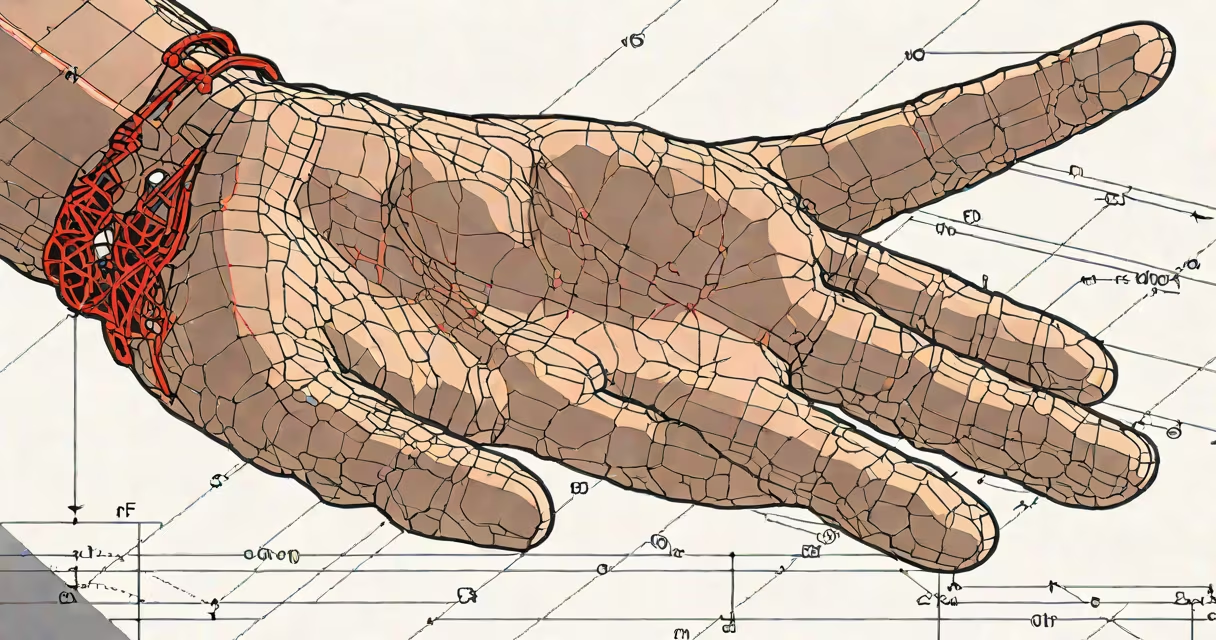
A tingling sensation in the left thumb typically results from pressure on or irritation of the median nerve, often due to repetitive motion, poor posture, or underlying health conditions like carpal tunnel syndrome. This feeling-sometimes described as pins and needles-can occur intermittently or persistently and may affect grip strength or fine motor control.
The median nerve runs from the forearm into the hand through the carpal tunnel, a narrow passageway in the wrist. When compressed, it disrupts signals between the brain and the thumb, index finger, middle finger, and half of the ring finger. This compression is the most common cause of tingling in the left thumb, especially among people who type frequently or perform manual tasks involving wrist flexion.
According to the Mayo Clinic, carpal tunnel syndrome affects approximately 3% of adults in the U.S., with women being three times more likely than men to develop it. Symptoms often worsen at night or during activities requiring prolonged wrist bending, such as driving or using a smartphone.
Tingling occurs when sensory nerves send abnormal electrical impulses to the brain. These signals are interpreted as prickling, burning, or buzzing sensations. In the case of the left thumb, the affected nerve is usually the median nerve, which supplies sensation to the thumb side of the hand.
Pressure on the median nerve can result from swelling in the carpal tunnel, often triggered by repetitive strain. Typing, knitting, playing guitar, or gripping tools tightly for long periods increases risk. A 2021 study published in *The Journal of Hand Surgery* found that individuals performing repetitive hand motions for more than four hours daily had a 4.3-fold higher incidence of median nerve compression compared to those with minimal exposure.
Other mechanisms include nerve entrapment at the neck (cervical radiculopathy), where a pinched nerve root in the cervical spine can refer pain and tingling to the hand. This is less common but must be ruled out if symptoms extend beyond the thumb or involve weakness.
Not all tingling in the left thumb stems from nerve compression. Conditions like diabetes, hypothyroidism, and vitamin B12 deficiency can lead to peripheral neuropathy-a condition where nerves throughout the body malfunction. In these cases, tingling may spread gradually to other fingers or limbs.
For example, a 2020 report from the National Institute of Neurological Disorders and Stroke (NINDS) states that up to 60% of people with uncontrolled diabetes develop peripheral neuropathy, often beginning in the feet but sometimes affecting the hands. Early signs include tingling, numbness, or sharp pains-symptoms that may start subtly in the thumb.
Some people confuse tingling with cold-induced numbness. Cold exposure reduces blood flow to extremities, causing temporary loss of sensation. Once warmed, feeling returns quickly. True nerve-related tingling persists longer and may recur without cold triggers.
| Condition | Typical Onset | Associated Symptoms | Key Differentiator |
|---|---|---|---|
| Carpal tunnel syndrome | Gradual, worsens with activity | Thumb tingling, nighttime awakenings, weak grip | Improves with wrist rest; worsens with typing or holding phone |
| Diabetic neuropathy | Slow progression over months/years | Pain, burning, loss of sensation in feet and hands | Often bilateral; linked to high blood sugar history |
| Cervical radiculopathy | Sudden onset after neck strain | Neck pain, radiating arm pain, possible muscle weakness | May involve shoulder or upper arm; not limited to hand |
Occasional tingling in the left thumb after typing or sleeping on the hand is normal. But persistent or recurring episodes-especially with weakness, clumsiness, or pain-warrant evaluation. The American Academy of Orthopaedic Surgeons recommends seeing a doctor if symptoms last more than two weeks or interfere with daily tasks.
I once observed a patient who reported intermittent tingling in their left thumb while using a laptop. They'd dismiss it until they dropped a pen repeatedly. An EMG test confirmed moderate carpal tunnel syndrome. After wearing a wrist splint at night and modifying keyboard ergonomics, symptoms resolved within six weeks.
Red flags include sudden onset with paralysis, fever, or recent injury. These suggest rare but serious issues like spinal cord compression or stroke. Tingling isolated to the left thumb without other neurological deficits is unlikely to indicate a stroke, but if accompanied by facial droop, slurred speech, or limb weakness, seek emergency care immediately.
Initial steps include resting the hand, avoiding repetitive motions, and using ergonomic tools. Wearing a wrist splint at night can reduce pressure on the median nerve. A 2019 randomized trial in *The New England Journal of Medicine* showed that nightly splinting reduced symptom severity by 58% over eight weeks compared to placebo.
Nutritional support matters too. Deficiency in vitamin B12, folate, or B6 can impair nerve function. Blood tests can detect low levels. Supplementation under medical supervision may reverse symptoms. For example, a 2022 case series in *Neurology Reports* documented recovery of hand tingling in five patients after correcting B12 deficiency.
If conservative measures fail, corticosteroid injections or surgery (carpal tunnel release) may be recommended. Surgery success rates exceed 90% for properly diagnosed cases, according to the American Society for Surgery of the Hand.
Understanding "my left thumb is tingling" begins with recognizing it as a signal, not a standalone issue. Addressing the root cause early prevents progression and supports long-term hand function.