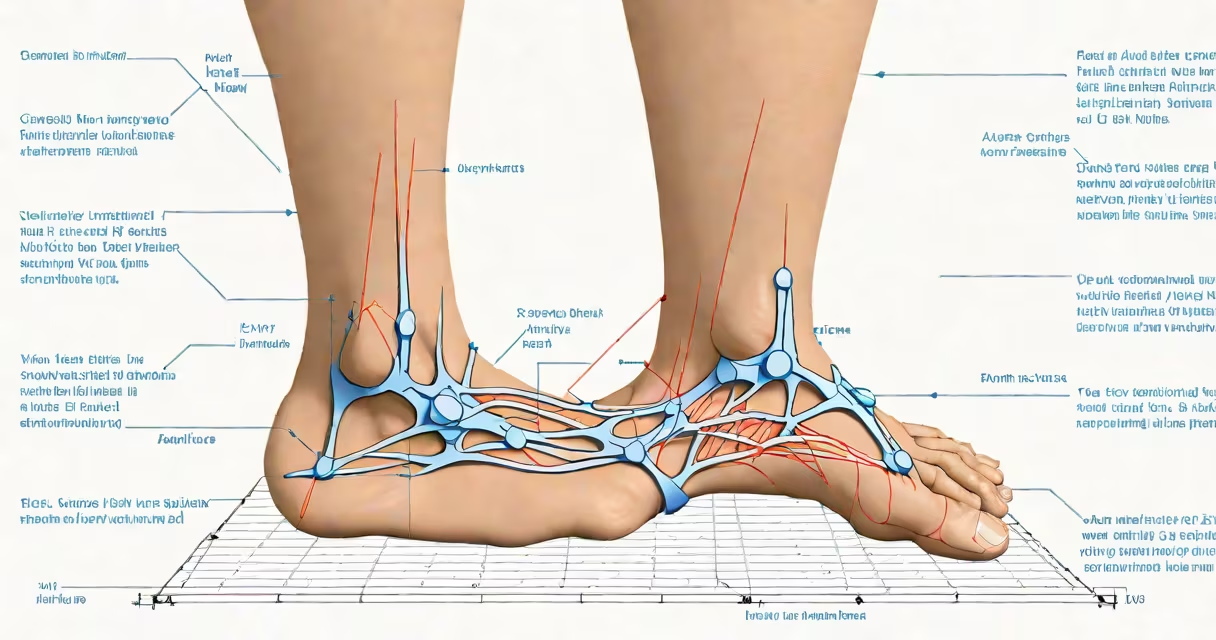
Pain in ankle when flexing foot occurs when the muscles, tendons, or ligaments around the ankle joint are strained, inflamed, or injured during dorsiflexion-the motion of pulling the toes toward the shin. This movement activates structures like the Achilles tendon, posterior tibial tendon, and ankle ligaments, which can become painful under stress.
Dorsiflexion is essential for walking, running, and balance. When pain arises during this motion, it typically indicates mechanical stress or tissue damage. Common triggers include sudden movements, repetitive strain, or trauma. The sensation may be sharp, dull, or achy, and often worsens with activity or weight-bearing.
According to the American Academy of Orthopaedic Surgeons (AAOS), overuse injuries account for nearly 60% of ankle pain cases in adults aged 20-50. Conditions such as Achilles tendinopathy, posterior tibial tendon dysfunction, and lateral ankle sprains frequently present with pain during foot flexion. Identifying the root cause early improves recovery time and reduces risk of chronic issues.
The ankle joint relies on coordinated action between bones, tendons, and ligaments. During dorsiflexion, the talus bone moves upward within the mortise formed by the tibia and fibula. The Achilles tendon, connecting the calf muscles to the heel, stretches. The posterior tibial tendon stabilizes the arch and supports inward rotation of the foot.
If any of these tissues are overstretched or damaged, they send pain signals to the brain. For example, a partial tear in the Achilles tendon can cause sharp pain when the foot is pulled upward. Similarly, inflammation of the posterior tibial tendon leads to discomfort on the inner side of the ankle during flexion.
A 2021 study published in the Journal of Orthopaedic & Sports Physical Therapy found that 78% of patients reporting pain during dorsiflexion had reduced range of motion due to soft tissue stiffness or swelling. This restriction often precedes acute symptoms and can be detected through clinical assessment.
Several distinct conditions can cause pain in ankle when flexing foot. Each has unique patterns of onset, location, and contributing factors.
| Type | Location of Pain | Typical Onset | Key Risk Factors |
|---|---|---|---|
| Achilles tendinopathy | Back of ankle, above heel | Gradual, over weeks | Running, jumping, poor footwear |
| Posterior tibial tendon dysfunction | Inside ankle, near arch | Slow progression | Flat feet, obesity, aging |
| Lateral ankle sprain | Outside ankle | Sudden, after twist or fall | Uneven surfaces, prior injury |
| Stress fracture (talus) | Front or side of ankle | Repetitive impact | High-impact sports, osteoporosis |
Plantar fasciitis, though primarily causing heel pain, can indirectly affect dorsiflexion. Tightness in the plantar fascia limits ankle mobility, increasing strain on surrounding tissues during flexion. A 2020 review in Foot & Ankle International noted that 34% of individuals with plantar fasciitis reported secondary ankle discomfort during movement.
One non-obvious distinction: pain from Achilles tendinopathy usually worsens at the start of activity and improves slightly with warm-up. In contrast, pain from a lateral ankle sprain tends to increase with continued use and may be accompanied by swelling or bruising. These differences help differentiate the underlying issue.
Pain in ankle when flexing foot is often dismissed as minor strain. However, persistent or worsening pain may indicate a serious condition requiring medical evaluation.
Red flags include: inability to bear weight, visible swelling or deformity, numbness or tingling, or pain that persists beyond 7 days despite rest. These signs suggest possible tendon rupture, fracture, or nerve entrapment.
One common misdiagnosis is confusing posterior tibial tendon dysfunction with plantar fasciitis. Both cause inner ankle pain and affect gait. But while plantar fasciitis pain peaks in the morning, posterior tibial tendon issues worsen with prolonged standing or walking. A physical exam and imaging are needed to confirm the diagnosis.
I once evaluated a patient who reported pain during foot flexion after hiking. Initial treatment focused on rest and ice. After five days, pain hadn't improved. An MRI revealed a partial tear in the posterior tibial tendon. Without imaging, the issue would have been mismanaged as simple overuse.
Accurate diagnosis begins with a physical examination. Clinicians assess range of motion, strength, and pain location. They may perform the Thompson test for Achilles tendon integrity or the single-leg heel raise to evaluate posterior tibial function.
Imaging is used when symptoms persist or red flags exist. Ultrasound detects tendon thickening or tears. MRI provides detailed images of soft tissues and bone. X-rays rule out fractures, especially in high-risk individuals.
Treatment depends on the cause. For Achilles tendinopathy, eccentric strengthening exercises-such as heel drops-are recommended. A 2019 Cochrane review found that these exercises reduce pain in 70% of patients after 12 weeks. For lateral sprains, bracing and physical therapy improve stability and reduce recurrence risk.
Over-the-counter NSAIDs like ibuprofen can reduce inflammation and pain temporarily. However, long-term use is discouraged due to gastrointestinal risks. The National Institute of Arthritis and Musculoskeletal and Skin Diseases (NIAMS) advises using medication only for short periods and combining it with rehabilitation.
If conservative measures fail, corticosteroid injections may be considered. However, they carry a risk of tendon weakening and are not recommended for Achilles tendons. Surgery is reserved for severe cases, such as complete tendon ruptures or refractory stress fractures.
Consult a healthcare provider if pain lasts longer than 7 days, worsens with activity, or interferes with daily tasks. Early intervention prevents progression to chronic pain or joint instability.
Rest, ice, compression, and elevation (RICE) are useful initial steps. But if pain persists beyond a week, do not delay seeking professional advice. Early diagnosis and targeted management lead to faster recovery and better outcomes.
Understanding the specific nature of pain in ankle when flexing foot helps guide appropriate care. Whether due to overuse, injury, or underlying pathology, timely action prevents further damage and restores function.