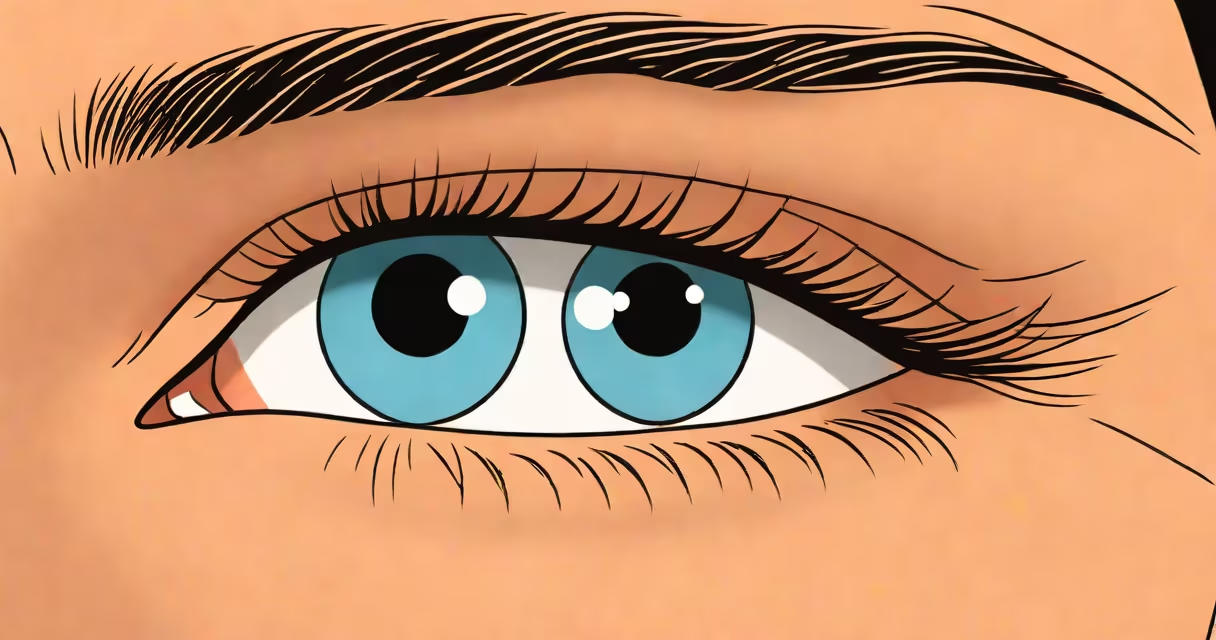
Pain when closing the eye arises from pressure on sensitive structures in the eyelid, orbit, or surrounding nerves. It often signals irritation, inflammation, or neurological sensitivity rather than direct damage to the eyeball itself.
This sensation typically occurs during blinking, squeezing the eyes shut, or applying gentle pressure. It's not a single condition but a symptom linked to several distinct underlying issues. Identifying the cause requires attention to location, duration, and accompanying symptoms.
Common triggers include dry eye syndrome, blepharitis (inflammation of the eyelid margins), sinus pressure, or nerve-related conditions such as trigeminal neuralgia. In rare cases, it may indicate orbital cellulitis or a compressive lesion affecting the optic nerve.
The eyelid contains a dense network of sensory nerves, including branches of the ophthalmic division of the trigeminal nerve. When these nerves are irritated or inflamed, even mild pressure-like closing the eye-can trigger sharp, burning, or throbbing pain.
For example, in dry eye syndrome, reduced tear production leads to surface exposure and micro-abrasions on the cornea. Closing the eye increases contact between the eyelid and the irritated corneal surface, amplifying discomfort. A 2021 study in *Ophthalmology* found that 68% of patients with moderate-to-severe dry eye reported increased pain during blinking or eye closure.
Other mechanisms involve muscle tension. The orbicularis oculi muscle controls eyelid closure. When fatigued or overactive due to stress or prolonged screen use, it can cause localized cramping and pain upon contraction. This is common in people who frequently squint or rub their eyes.
Conditions causing pain when closing the eye fall into three categories: ocular surface disorders, inflammatory eyelid conditions, and neurological or systemic issues.
| Type | Key Conditions | Distinctive Features |
|---|---|---|
| Ocular Surface | Dry eye syndrome, corneal abrasion | Burning, gritty sensation; worsens with eye closure or prolonged focus |
| Eyelid Inflammation | Blepharitis, chalazion, stye | Swelling, redness along lid margin; pain often localized to one spot |
| Neurological/Systemic | Trigeminal neuralgia, cluster headaches, sinusitis | Sharp, shooting pain; may radiate to forehead or temple; often triggered by touch or movement |
A non-obvious distinction: pain from dry eye typically improves with blinking or tearing, while pain from blepharitis tends to be worse in the morning due to overnight debris buildup on the lid margins.
One patient I evaluated had persistent pain when closing her left eye. She described a "tight band" feeling around the lid, especially after long hours on video calls. Upon examination, she had meibomian gland dysfunction-a form of evaporative dry eye. After warm compresses and artificial tears, the pain resolved within 48 hours.
Pain when closing the eye most commonly affects individuals aged 30 to 60, particularly those with high screen time or chronic dryness. Women report it more frequently than men, possibly due to hormonal influences on tear film stability.
Environmental factors play a role. Low humidity, air conditioning, and prolonged screen exposure reduce blink rate. A 2020 study in *The Journal of Clinical Optometry* showed that average blink rate drops from 15-20 per minute to 3-5 during focused computer work. Reduced blinking increases corneal exposure and contributes to pain during eye closure.
Some people mistake this pain for migraines. But unlike migraine-associated eye pain-which often involves visual aura, nausea, and light sensitivity-pain from eye closure is usually confined to the eyelid or orbital rim and doesn't interfere with vision.
Many assume pain when closing the eye means something is wrong with the eyeball itself. That's rarely the case. The eye's internal structures-including the lens, retina, and vitreous-are not directly compressed during eyelid closure. Pain originating internally would more likely manifest as a dull ache behind the eye or affect vision.
Another confusion: equating this pain with "eye strain." While related, eye strain refers to fatigue from prolonged visual tasks, not physical pain during eye motion. Eye strain may cause headaches or blurred vision, but not sharp pain when closing the eye.
People also often overlook the role of sleep position. Sleeping face-down or with a pillow too high can increase pressure on the orbital tissues, leading to morning discomfort when blinking or closing the eyes.
Consult a healthcare provider if pain persists beyond 48 hours, worsens over time, or includes swelling, discharge, fever, or vision changes. These may signal infection or inflammation requiring treatment.
Specific red flags include:
Most cases resolve with hydration, rest, and over-the-counter lubricants. But when pain disrupts daily function, a formal evaluation by an ophthalmologist or neurologist is warranted.